
Nvidia Reinstates Jensen Huang as CEO 11 Days After His Resignation
Huang's return, which followed pressure from President Trump, sent Nvidia stock soaring and then sliding, and left open questions about board independence, national security and investigations that are still running.
By Hushread Stories, from 117 outlets · First published 24 Nov 2026 · Chapter 4 of 7
Earlier: Jensen Huang Reinstated as Nvidia CEO Twelve Days After Resigning Over China-Linked Scandal
In brief
- Nvidia reinstated Jensen Huang as chief executive 11 days after he resigned on November 12 over an extramarital affair.
- Reporting says the woman involved is suspected by US intelligence officials of spying for China, which drove the national security concern.
- Nvidia shares rallied roughly 31 percent on Monday, adding about $950 billion in value, then fell around 5 percent on Tuesday.
- President Trump took credit for the deal, and reports say he may have gained up to $15 million from Nvidia shares.
- An internal investigation and California and federal scrutiny continue, and lawmakers from both parties are asking questions about the board's decision.
Timeline · 8 moments
Investigations continue after Huang's return
CNBC Technology ↗Reports say Trump may have gained up to $15 million
DIE WELT ↗Nvidia shares slide as rally fades
New York Post ↗Trump takes credit, saying he made the deal
IGN All Gaming ↗Huang greeted by applauding staff at headquarters
Ars Technica Tech ↗Board unanimously reinstates Huang as CEO
TMZ ↗Government assurances reported on Huang's national security status
The Globe and Mail ↗Huang resigns as Nvidia CEO after admitting affair
FOX News ↗How it started
Jensen Huang stepped down as Nvidia's chief executive on November 12, after acknowledging an extramarital affair. FOX News reported that the woman involved is suspected by US intelligence officials of spying for China, which turned a personal matter into a national security question.
Le Monde noted that the wider scandal is tied to a network used to divert AI chips to China. Huang is also one of the leading US advocates for selling AI chips to China, which is why his status mattered well beyond Nvidia's boardroom.
How it unfolded
On November 17, according to FOX News, Nvidia's chairman addressed the situation, though the coverage provided does not detail what he said. Over the following days pressure built, and the Globe and Mail reported that President Trump pushed for Huang's return and that the US government assured the company Huang posed no national security risk.
ABC News reported, citing sources, that the Trump administration also assured Nvidia that Huang was not facing criminal charges. FAZ described the return as the result of a coordinated campaign, and Ars Technica wrote that Trump and Silicon Valley forced Nvidia's hand.
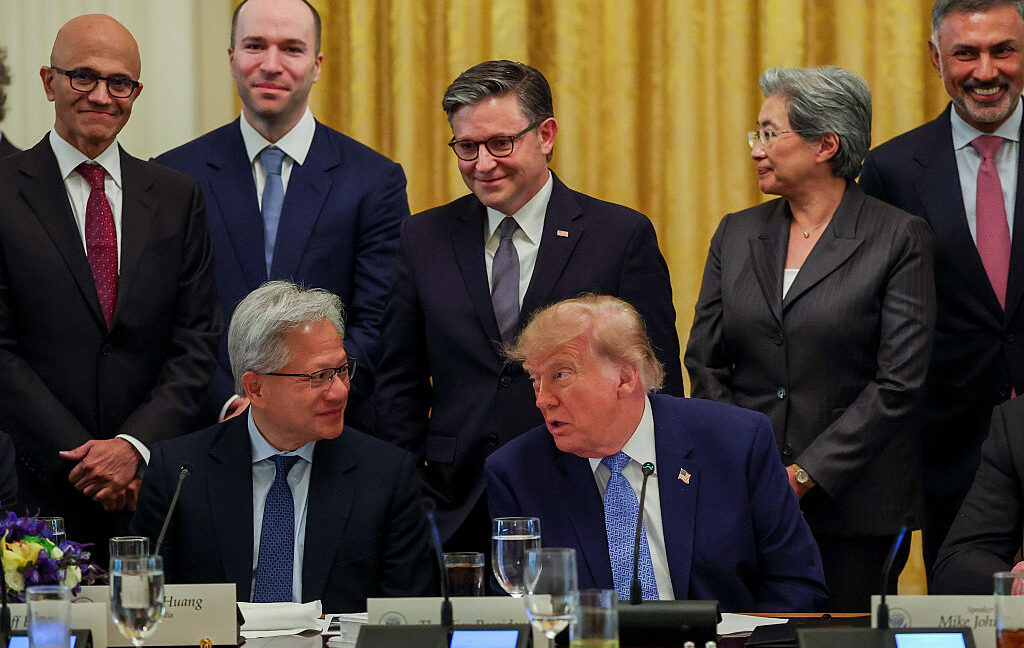
On Monday, November 23, the board voted unanimously to reinstate him, according to TMZ, which also reported that Huang had disclosed additional affairs to the board beforehand. Forbes carried a similar account. The company credited "input from senior levels of the United States government," as IGN quoted it, and Trump took credit publicly, saying "I made the deal."
The scene at headquarters was emotional. Ars Technica described Huang walking into the Santa Clara offices to applause from employees lining the walkways above him.
Markets responded fast. Euronews reported that Huang's return made him about $34 billion richer and added roughly $950 billion to Nvidia's value in a single day. Reports differ on the size of the jump: Panorama cited a 34 percent leap at the open, while the New York Post put Monday's rally at 31.5 percent. The South China Morning Post said the rally spread to chip and hardware stocks in Taiwan.
Then the mood cooled. On Tuesday, CNBC and the Guardian reported Nvidia shares falling in premarket trading, and the New York Post had them down 5.4 percent to $156.15 shortly after the open.
Where it stands
Huang is back, but the questions have followed him. CNBC reported that Nvidia still faces an internal investigation along with California and federal scrutiny. The New York Times, via Techmeme, reported experts saying Trump effectively overrode the board and that reinstating Huang before the probe ends could invite shareholder suits and political scrutiny.
Political reaction has crossed party lines. FAZ said Republicans and Democrats alike were unsettled, and Deutschlandfunk reported German Foreign Minister Wadephul saying he was shocked by Trump's intervention. Fast Company argued Democrats see another 2028 talking point.
Money is part of the story too. Die Welt reported that Trump held up to 370,000 Nvidia shares at the end of September and may have gained up to $15 million, a figure Xataka also cited.
Beijing's view is mixed, according to the New York Times: it may welcome the return of the leading US advocate for AI chip sales to China, but the saga could strengthen China's push for self-reliance.
What to watch
The first test is the internal investigation and the California and federal reviews, which CNBC said are not over. Their findings could shape whether the board's decision looks prudent or reckless, a point AP framed as the thing the next few weeks could settle.
The second is political and legal fallout: possible shareholder suits, questions from lawmakers about Trump's role and his Nvidia holdings, and continuing doubts about the board's independence. Markets will also keep weighing those governance risks against the comeback rally.
More in Business
All →
US Proposes Tariffs of Up to 25 Percent on 14 Trading Partners Including China and India
Country-specific duties follow a Section 301 overcapacity probe, with India's rate dropping to 17 percent if a trade deal is signed.
84 sources · over 2 days
Amazon plans to sell new and used cars online in the UK from early 2027
Amazon is taking its car-selling service outside the US for the first time, starting in Britain with Hyundai on board and reservations from £99, a test of online car retail.
16 sources · over 2 days
Nvidia Reinstates Jensen Huang Eleven Days After His Resignation, Amid Trump Role and Probes
Nvidia's board brought back its co-founder after an affair scandal with espionage questions, and critics say the speed and White House involvement raise doubts about governance while investigations continue.
164 sources · over 11 days