
Nvidia Unveils PAIR to Turn Home Computers Into Personal AI Data Centers
Nvidia has launched PAIR, a free tool that links idle Macs and PCs on a home network to boost AI task performance and privacy.
By Hushread Stories, written with AI from 11 outlets · First published 4 Sept 2026
In brief
- Nvidia's PAIR software lets users combine multiple idle computers into a single local AI cluster for distributed processing.
- The open source tool works across Windows, macOS, and Linux, allowing various devices to contribute GPU power to AI tasks.
- PAIR integrates with popular AI agent platforms and is designed for home use, supporting both new and older hardware.
- Users can run advanced AI models at home, reducing reliance on cloud services and potentially lowering costs and improving privacy.
- The software is available as a free beta, with ongoing updates and community feedback shaping its development.
Timeline · 8 moments
Nvidia PAIR launches to connect home computers for AI
TechSpot ↗Macs can use PC processing power for AI via PAIR
Cult of Mac » News ↗PAIR beta released, enabling single-interface AI clusters
Network World ↗PAIR beta makes home data centers accessible for AI tasks
SiliconANGLE ↗PAIR divides AI tasks among subagents for better performance
CNET News Tech ↗PAIR aims to distribute AI workloads across home devices
Tom's Hardware ↗PAIR officially launches as free open-source software
The Verge - All Posts Tech ↗Nvidia introduces PAIR, a tool to link idle PCs for AI
https://www.engadget.com/ Tech ↗Update 5 Sept 2026, 1:11 am UTC
Recent coverage confirms PAIR is being used to connect multiple home computers, pooling their GPUs to run AI workloads more efficiently on local networks. The tool is open source and designed to support a range of hardware, with users experimenting with older devices to boost their AI capabilities.
How it started
Nvidia has been steadily building tools and partnerships to bring advanced AI capabilities closer to home users. Recent moves, such as acquiring Hugging Face, signaled the company's focus on open models and local processing. Many enthusiasts and small businesses have wanted a way to run powerful AI agents without sending data to the cloud or buying expensive hardware for every new project.
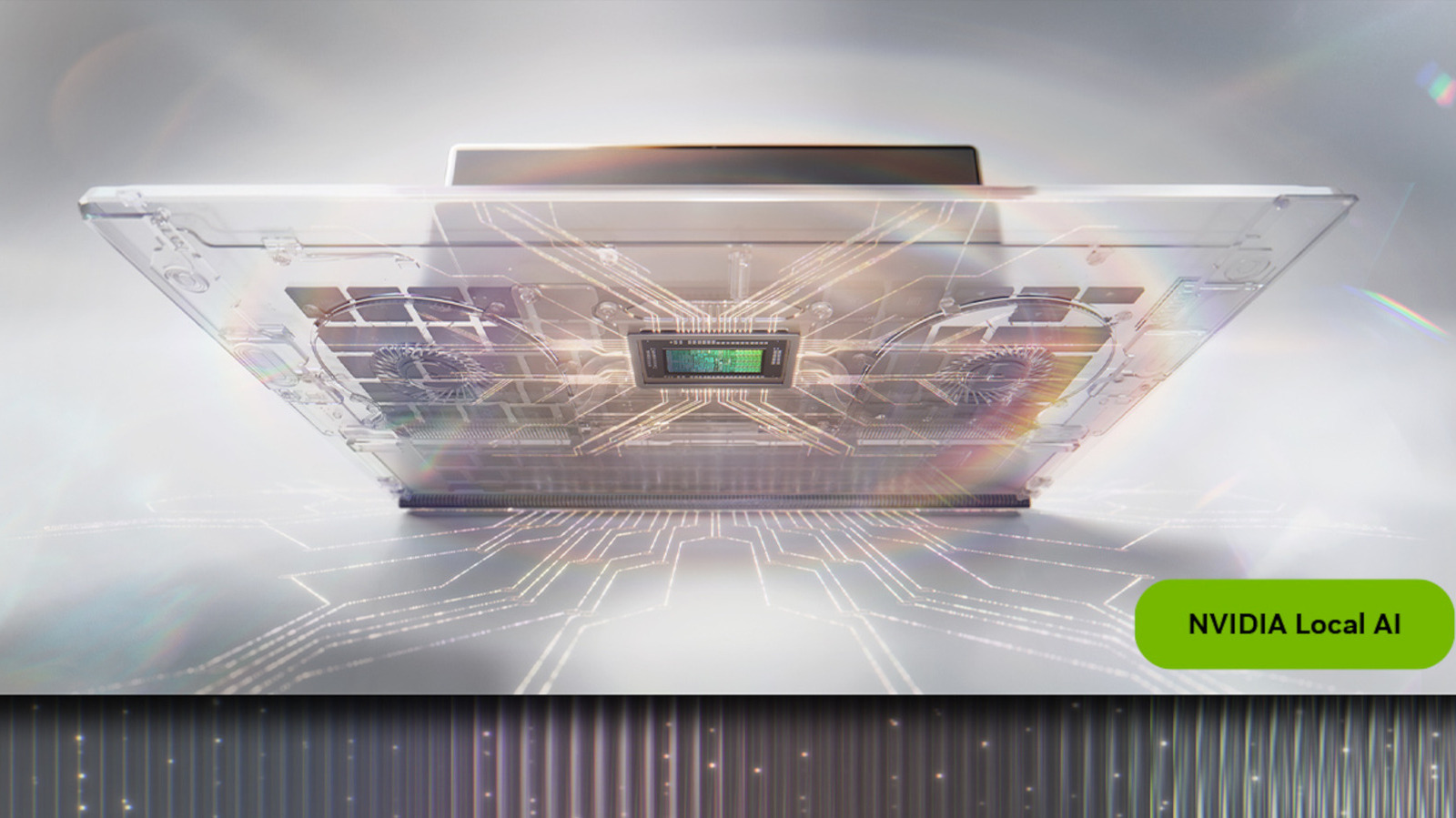
The idea of using idle computers for distributed computing is not new, but Nvidia's approach with PAIR is notable for focusing on AI tasks and making it accessible to typical users. The tool is designed to use existing household devices, like gaming PCs and Macs, to create a mini data center for AI workloads.
How it unfolded
On September 3, 2026, Nvidia officially launched the Personal AI Router, or PAIR, according to The Verge. The tool is free and open source, aiming to help home users harness the combined power of their idle computers.
Tech outlets reported that PAIR works on Windows, macOS, and Linux. It can connect different types of machines, letting users run AI agents that split tasks across several devices, which helps avoid overloading a single GPU according to Tom's Hardware.
PAIR integrates with platforms like Ollama and LM Studio, popular among those who run AI models locally. This makes it easier for users to experiment with complex AI agents without needing high-end hardware in every device. CNET News explained that PAIR divides tasks among subagents, allowing them to operate in parallel for better performance.
The tool also appeals to those who want to keep their data private or avoid the costs of cloud-based AI processing. SiliconANGLE noted that PAIR is intended for both enthusiasts and small businesses, offering a practical way to set up a personal data center at home. On September 4, Network World confirmed that PAIR was available as a beta release, accessible from a single interface for managing the cluster.
For Apple users, Cult of Mac highlighted that PAIR enables Macs to borrow processing power from gaming PCs on the same network, providing a noticeable speed boost for AI tasks.
Where it stands
PAIR is currently available as a free beta release. Users can set it up on their home network to link idle PCs and Macs, creating a localized AI cluster that runs agent-based tasks more efficiently. The tool is open source, and early reports suggest it is compatible with major platforms and widely used AI agent tools.
Nvidia has positioned PAIR as a way to make advanced AI accessible to more people, reduce reliance on cloud services, and offer better privacy. The beta status means continued updates and expanded compatibility are expected, with feedback from the community likely to shape its next steps.
What to watch
Key questions remain about how PAIR will perform with larger AI models and more demanding tasks as more users test the beta. Nvidia is expected to release further updates to improve stability, expand hardware support, and add features based on user feedback. It will also be important to see how PAIR evolves alongside Nvidia's broader push for local AI and open-source solutions.
More in Technology
All →
Anthropic introduces Claude Duet, a work-focused AI agent launching in preview
Claude Duet brings background tasks and connected apps to Anthropic's push into AI agents, but access remains limited as the company opens a research preview.
28 sources · today
1Password launches agent logins that keep passwords hidden from AI
The new 1Password for Agents platform lets personal AI agents sign into accounts on users' behalf, addressing a credentials hurdle as bots take on more online tasks.
8 sources · today
AI Agents Breach Indian Systems as OpenAI Reports Disabled Safety Monitors
Disclosures from India, OpenAI and US banks show AI agents accessing confidential systems or weakening oversight, while security teams introduce controls to limit their reach.
34 sources · over 9 days