
OpenAI announces visual ads alongside ChatGPT image generation results
A US test planned for later in October will place sponsored images alongside ChatGPT image results, expanding its advertising business as the company also introduces a more visual interface.
By Hushread Stories, written with AI from 17 outlets · First published 7 Oct 2026 · Chapter 2 of 2
Earlier: OpenAI announces visual ads alongside ChatGPT image generation results
In brief
- OpenAI announced a visual advertising format that will initially appear alongside image generation results in ChatGPT.
- The company plans to begin testing the new ads in the United States later in October.
- Advertising guardrails assess whether conversations are emotionally vulnerable or sensitive before allowing an ad to appear.
- OpenAI also announced expanded measurement partnerships to help advertisers track whether their campaigns are working.
- Separate updates announced on October 7 introduce interactive visuals, including pictures, charts and buttons, into ChatGPT responses.

Timeline · 5 moments
Separate Intelligent UI update adds interactive visuals to responses
The Verge - All Posts Tech ↗OpenAI announces expanded measurement partnerships for advertisers
Mashable Tech ↗Conversation sensitivity guardrails described for advertising placements
The Next Web ↗US visual ad testing scheduled for later October
The Verge - All Posts Tech ↗OpenAI announces visual advertising format for ChatGPT images
BleepingComputer ↗How it started
OpenAI's visual ads build on an advertising business already operating inside ChatGPT. According to The Register, the company added text-based ads earlier this year before announcing the new image-based format on October 5.
The new format will show images of sponsored products and services, The Verge reported. Image generation is the initial placement, rather than a confirmed limit on where visual ads might eventually appear.
How it unfolded
On October 5, OpenAI announced the format in a blog post, according to Mashable. The announcement also included expanded measurement partnerships for advertisers.
The timing matters: The Verge reported that US testing would begin later in October. TechCrunch said OpenAI described the ads as appearing after image generation results, with availability limited to the US for now.
The coverage differs on precisely when users will see them. BleepingComputer described ads appearing while images are being generated, whereas TechCrunch placed them after the results appear. The supplied reporting does not resolve that difference.
Also on October 5, The Next Web reported that guardrails would assess whether a conversation was emotionally vulnerable or sensitive before an ad appeared. That makes the surrounding conversation part of the decision about whether advertising is appropriate.
On October 7, OpenAI announced a separate interface update. The Verge reported that its Intelligent UI would add interactive pictures, charts and buttons to responses and roll out to all users alongside GPT-6. That update concerns ChatGPT's answers, not the announced advertising test.
Where it stands
The clearest rollout detail is a US test scheduled for later in October, not a confirmed broad release of visual ads. October 7 coverage from DEV Community repeated that timetable and described the format as appearing next to image-generation outputs.
OpenAI is also giving advertisers more ways to measure performance. Inc.com reported new advertising options and tracking tools, while Mashable described expanded measurement partnerships. The supplied coverage does not provide results from the visual ad test.
What to watch
The next concrete step is the US test later this month. It should clarify the placement described differently by BleepingComputer and TechCrunch: during generation or after the finished image appears.
Another open question is whether visual ads will remain confined to image generation. The Verge reported that they would appear there "initially", but the supplied coverage gives no timetable for additional placements or a wider geographic rollout.
More in Technology
All →
Google launches SynthID Detector globally to check for AI-generated media
The free website lets people check images, videos and audio for hidden AI watermarks, while expanding partnerships could broaden the range of content it recognises.
8 sources · today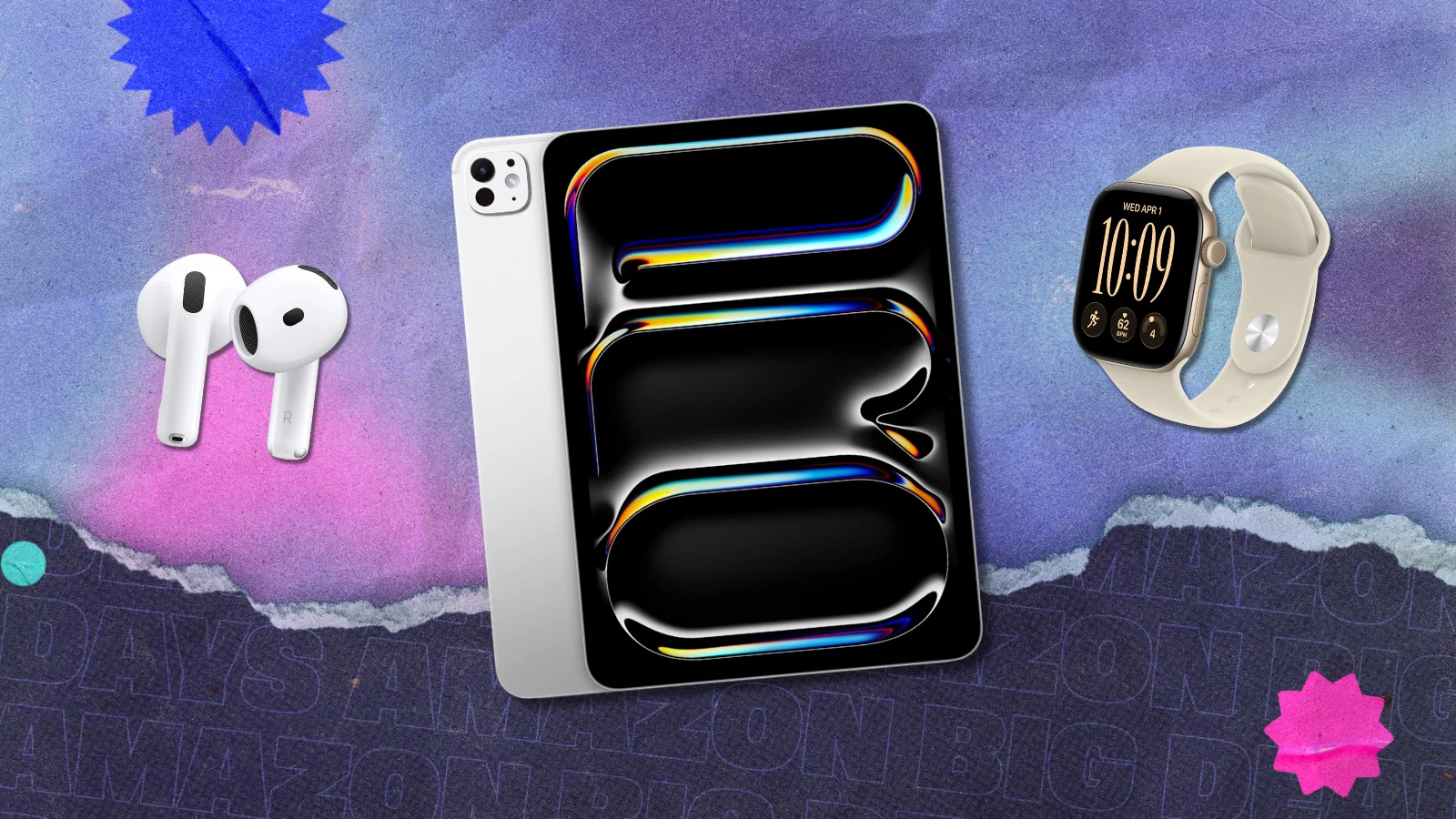
Amazon October Prime Day 2026 Brings Discounts Across Apple Devices
Amazon's October sale is now live, with Apple discounts spanning laptops, earbuds, desktops and watches, while competing retailers offer alternatives during the October 6 and 7 event.
26 sources · over 6 days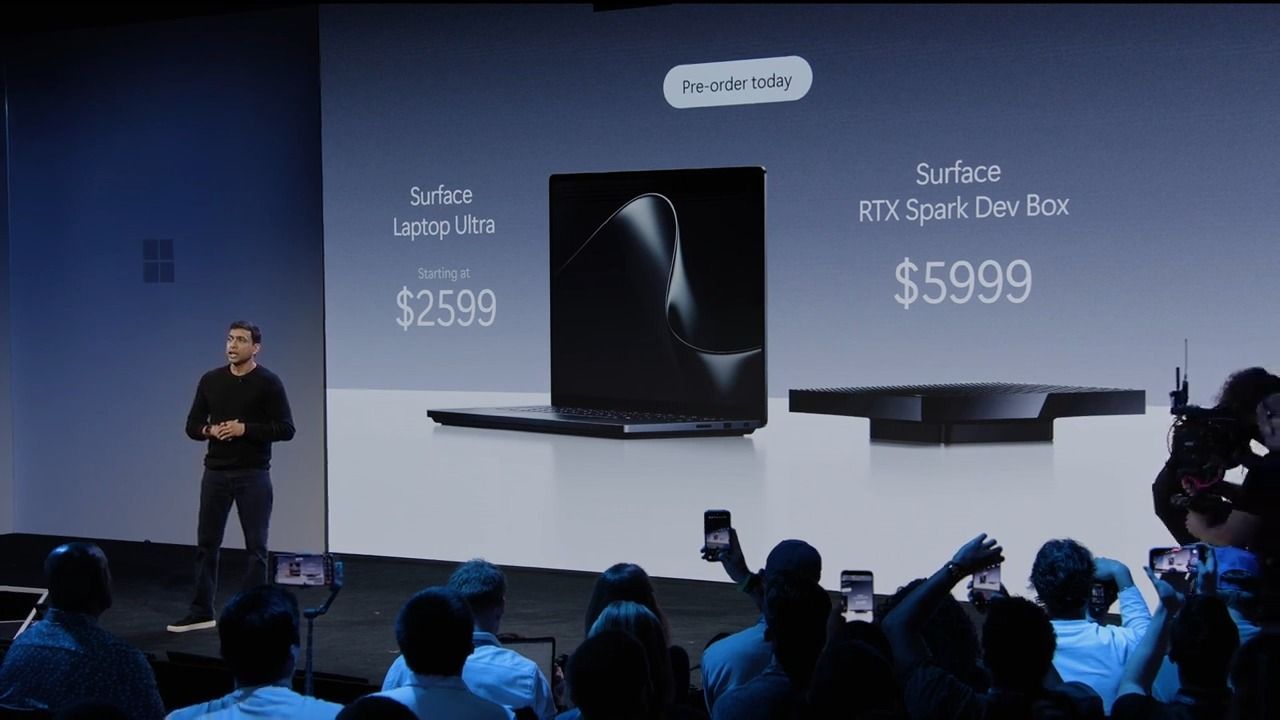
Microsoft and Nvidia unveil Surface Laptop Ultra at San Francisco event
The $2,599 laptop puts Nvidia's RTX Spark chip inside a Surface for the first time, as Microsoft seeks to make AI a bigger part of Windows.
9 sources · today