
OpenAI plans invisible text watermarks for ChatGPT and Codex in EU
OpenAI is preparing to mark AI text for European Union users under the bloc's transparency rules, but editing and short passages can make those marks harder to detect.
By Hushread Stories, written with AI from 15 outlets · First published 6 Oct 2026
In brief
- OpenAI plans to add invisible watermarks to text generated by ChatGPT and Codex in the European Union.
- The change responds to EU AI Act requirements that providers make generated text identifiable as artificial intelligence output.
- The planned rollout will cover eligible European Union users across all plans over the coming weeks.
- API customers worldwide can enable the watermarking system, called textGrain, but it remains switched off by default.
- OpenAI acknowledges that editing and short text can reduce detection reliability, limiting what the watermark can establish.
Timeline · 5 moments
API offering described as limited to certain models
The Register ↗OpenAI acknowledges detection problems with short and edited text
Digital Trends ↗EU rollout planned for eligible users across all plans
The Next Web ↗API customers worldwide gain optional access to textGrain
DEV Community ↗OpenAI announces EU watermarking for text and code
https://www.engadget.com/ Tech ↗How it started
OpenAI's watermarking plans are a response to the EU AI Act. According to 9to5Mac, the law requires providers of generative AI systems to mark generated text so it can be identified as such.
The company is preparing an invisible watermark for text from ChatGPT and Codex in the European Union, BleepingComputer reported. This is not a visible label added for readers.
How it unfolded
On October 5, Engadget reported that OpenAI would add digital watermarks to text and code generated in the EU to comply with the bloc's AI transparency rules.
The same day, DEV Community identified the system as textGrain and reported that API customers anywhere could switch it on from October 5, 2026. For those customers, it remains off unless they enable it.
The consumer rollout has a different timetable. The Next Web reported on October 5 that OpenAI would add the watermark to ChatGPT and Codex text over the coming weeks, covering eligible EU users on all plans.
The announcement also came with limitations. Digital Trends reported on October 5 that OpenAI acknowledged difficulties detecting the watermark in short text or after edits and other changes. TechCrunch likewise reported that editing can make the marks harder to detect.
On October 6, The Register described API watermarking as an available option for output from certain models, while the broader rollout remained planned for the following weeks.
Where it stands
The coverage describes two stages: an optional API feature already available, and a forthcoming rollout for eligible ChatGPT and Codex users in the EU. DEV Community gives October 5 as the API availability date, while The Next Web places the EU user rollout over the coming weeks.
The watermark is intended to make AI text identifiable, but it is not a guarantee of detection. The limitations reported by Digital Trends mean that short or edited passages can be harder to identify.
What to watch
The next step is the rollout to eligible EU users across ChatGPT and Codex plans. The Next Web reports a window of several weeks rather than a specific completion date.
Detection after editing is another open issue. TechCrunch reports that changes to text can weaken detection, so the rollout alone will not settle how reliably the system identifies altered output.
More in Technology
All →
ASOS investigates apparent hack after customers receive threatening app notifications
Threatening alerts sent through the ASOS app have raised questions about customer data security, while reports of a hack have also hit the retailer's shares.
8 sources · today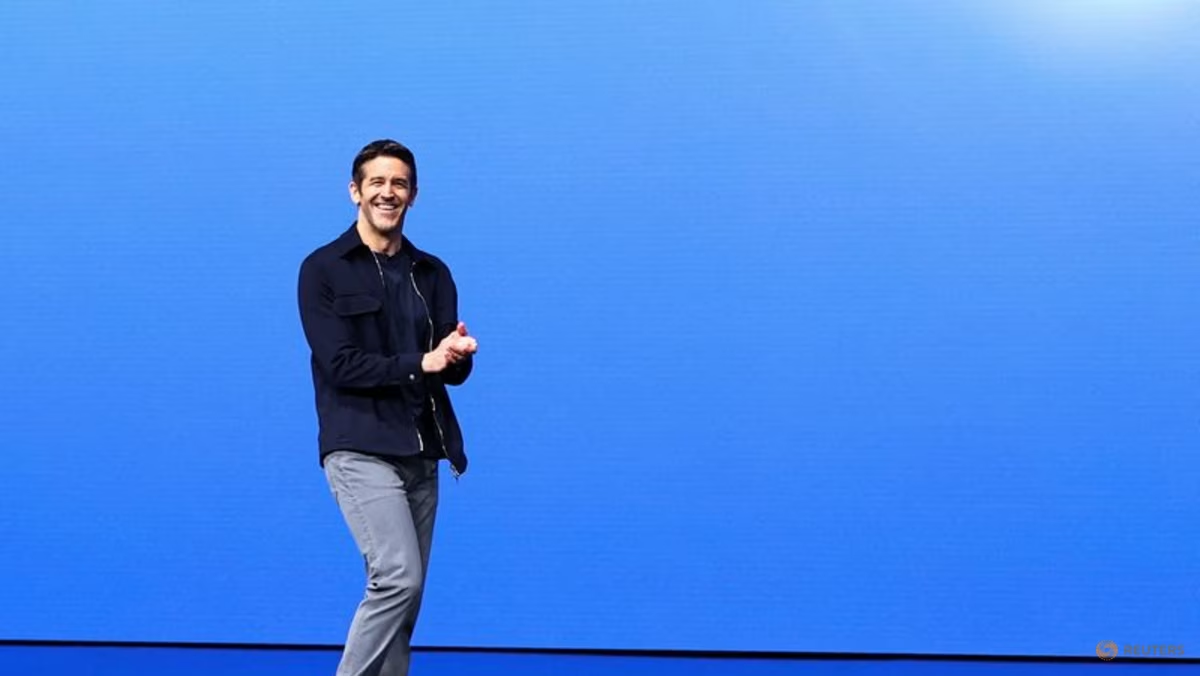
Apple's New CEO John Ternus Launches Sweeping Engineering Overhaul
Apple's new chief executive John Ternus is streamlining operations and accelerating product launches as he implements major changes just weeks into his leadership.
20 sources · over 7 days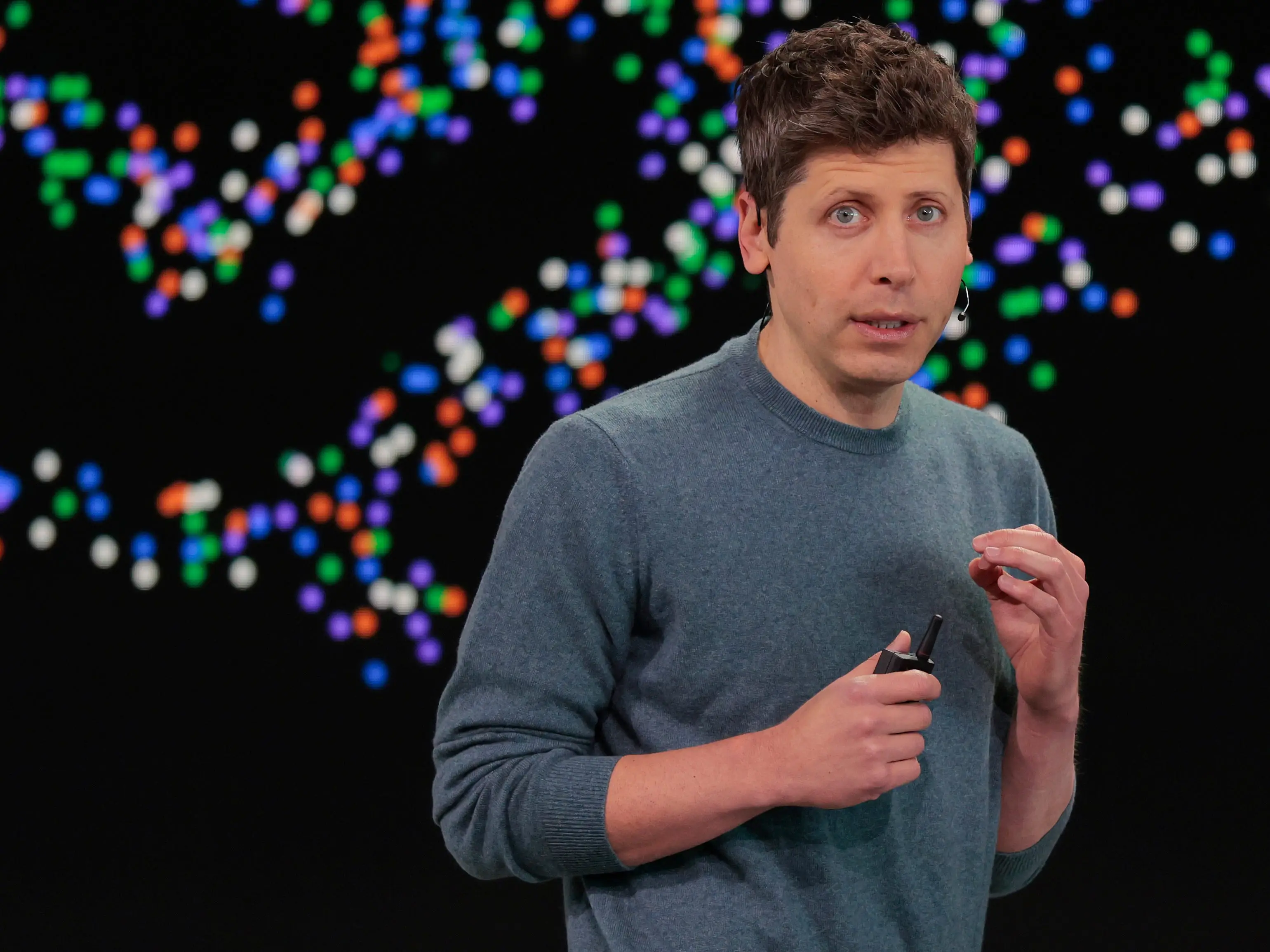
Sam Altman says AI benefits justify accepting some harmful outcomes
OpenAI's CEO is arguing for lighter regulation and broad access to AI, while drawing a distinction between everyday harms and catastrophic risks he says are unacceptable.
20 sources · over 4 days