
OpenAI Releases GPT-6.2 Astra and Sol, Cutting Flagship Token Prices by 20 Percent
OpenAI's new pair of models arrives a week after rival launches from Anthropic and Google, with a cheaper flagship and a safety record the company was forced to repair after cancelling GPT-6.1 Astra.
By Hushread Stories, from 24 outlets · First published 18 Nov 2026
In brief
- OpenAI released GPT-6.2 Astra for complex professional work and GPT-6.2 Sol for everyday tasks.
- Both models are available now in ChatGPT Work and Codex for paid subscribers, and through the API.
- OpenAI says Astra tokens cost 20 percent less and that Astra beats the earlier GPT-6 Astra at lower cost.
- The launch follows OpenAI's cancellation of GPT-6.1 Astra nearly two months ago over safety concerns.
- UK government testers found pre-release Astra easier to jailbreak than GPT-6 Astra, while independent benchmarks show strong efficiency.

Timeline · 11 moments
Analysis questions GPT-6.2 Astra's control and safety ratings
AI (@ai) — Сообщество на vc.ru ↗Early testers push back on GPT-6.2 Astra and Sol launch
The Next Web ↗Astra reported with million-token context and high self-improvement rating
Публикации по подписке ↗Business Line says OpenAI claims an edge over Anthropic's Fable
Business Line - Home ↗Benchmark thread flags coding regression
r/singularity ↗Astra reported 20 percent cheaper per token
TestingCatalog ↗Models arrive in ChatGPT Work and Codex
Thurrott.com ↗OpenAI announces GPT-6.2 Astra and Sol
OpenAI ↗Anthropic and Google launch rival models
9to5Google ↗GPT-6.1 Astra cancelled over safety concerns
Digital Trends ↗Update 19 Nov 2026, 1:56 am UTC
The newest coverage adds a material development: UK AI Security Institute testers reported that pre-release versions of GPT-6.2 Astra were easier to jailbreak than GPT-6 Astra, using half as many queries, as VentureBeat reported. The launch itself, with Astra for professional work and Sol for everyday tasks, is unchanged. The safety finding is a new thread the published piece does not mention, so it belongs in the key points and timeline rather than a new headline.
Update 18 Nov 2026, 7:07 pm UTC
Coverage since the first write-up has mostly filled in details rather than changing the core facts. OpenAI released GPT-6.2 Astra for demanding professional work and GPT-6.2 Sol for everyday tasks on November 17, and The Next Web and gHacks Technology News both confirm the 20 percent price cut on the flagship. A Russian-language outlet (Публикации по подписке) described Astra as built for heavy work in science, law and finance, while a vc.ru analysis focused on safety and control questions, including a high rating in the AI Self-Improvement category. The headline and dek still hold, so no correction is needed.
Update 18 Nov 2026, 1:05 pm UTC
The new coverage from Tabletowo, Isena Code and DEV Community is mostly a re-run of the original launch story. Tabletowo says OpenAI has regained the lead with GPT-6.2 Sol and Astra, Isena Code stresses that the models aim to finish demanding tasks with fewer tokens, and DEV Community repeats the 20 percent cut to Astra API pricing. None of the three adds new benchmark results, safety evidence or a change to the headline facts, so the piece stands as written.
Update 18 Nov 2026, 6:59 am UTC
Coverage since the original piece has broadened the picture without overturning the core facts. SiliconANGLE described the launch as OpenAI Group PBC's Astra for complex professional work and Sol for everyday work, and Business Line framed the release as a direct claim against Anthropic's Fable model amid heavier competition for business customers. A Russian-language report, Публикации по подписке, added that Astra supports a context window of one million tokens and that it received a high rating in the AI Self-Improvement category, which also brought renewed attention to control concerns. The headline and core launch facts still hold, so the existing headline stands.
How it started
OpenAI began its GPT-6 generation with Astra in September, according to 9to5Mac. A few weeks later, at DevDay, it upgraded Sol to GPT-6.1.
The Astra line did not follow the same smooth path. Digital Trends reported that OpenAI cancelled GPT-6.1 Astra nearly two months before this release, citing safety concerns. That left a gap at the top of the lineup while competitors moved.
How it unfolded
On November 17, OpenAI announced GPT-6.2 Astra and GPT-6.2 Sol in a post titled "Models built for the real world" (OpenAI). The company describes Astra as its new frontier model for the hardest projects and Sol as its efficient, versatile model for everyday work, as Simon Willison quoted from the announcement.
The timing was not accidental. 9to5Google noted that the launch came a week after Anthropic's Claude 5.2 and Google's Gemini 4 Hydrogen, and framed it as OpenAI trying to regain the performance lead from Claude Fable 5.2. OpenAI itself pitched the pair as a new standard for professional work.
Availability is broad. Thurrott reported that the models are rolling out in ChatGPT Work and Codex for Plus, Pro, Enterprise and Edu users, and TechRadar said they are for paid subscribers and available today. Vc.ru added that the models also reach developers through the API, and Flavio Copes published a guide to using both in Codex and the API, including a code review comparison.
On price, TestingCatalog reported that Astra beats GPT-6 Astra at lower cost, with tokens 20 percent cheaper. A Russian-language recovery-mode post went further, claiming the release outpaces Claude Opus 5.5 and costs several times less, though it also flagged unspecified caveats. Those comparisons come from secondary summaries, so treat them with some care.
Where it stands
Early community reaction was large. The announcement collected 526 points and 289 comments on Hacker News, and a benchmark thread on r/singularity pulled apart the Artificial Analysis and Epoch data.
That thread's read was mixed. It said Astra sits in the most attractive quadrant for speed and cost, tied for first on the Epoch ECI index, but appeared to regress somewhat in coding. This is a user's reading of the data, not an official result.
Digital Trends reported OpenAI's claim that the new models are considerably better and have fewer safety problems. The summary I have does not spell out the evidence behind that, so the safety claim rests on the company's word for now.
What to watch
The coding question is the clearest open point. If independent testing confirms a regression, it matters for Codex users, who are a main audience for Astra.
The competitive picture is also unsettled. With Anthropic and Google having launched a week earlier, expect more head-to-head comparisons, and check whether the price cut holds up in real API bills rather than headline token rates.
More in Technology
All →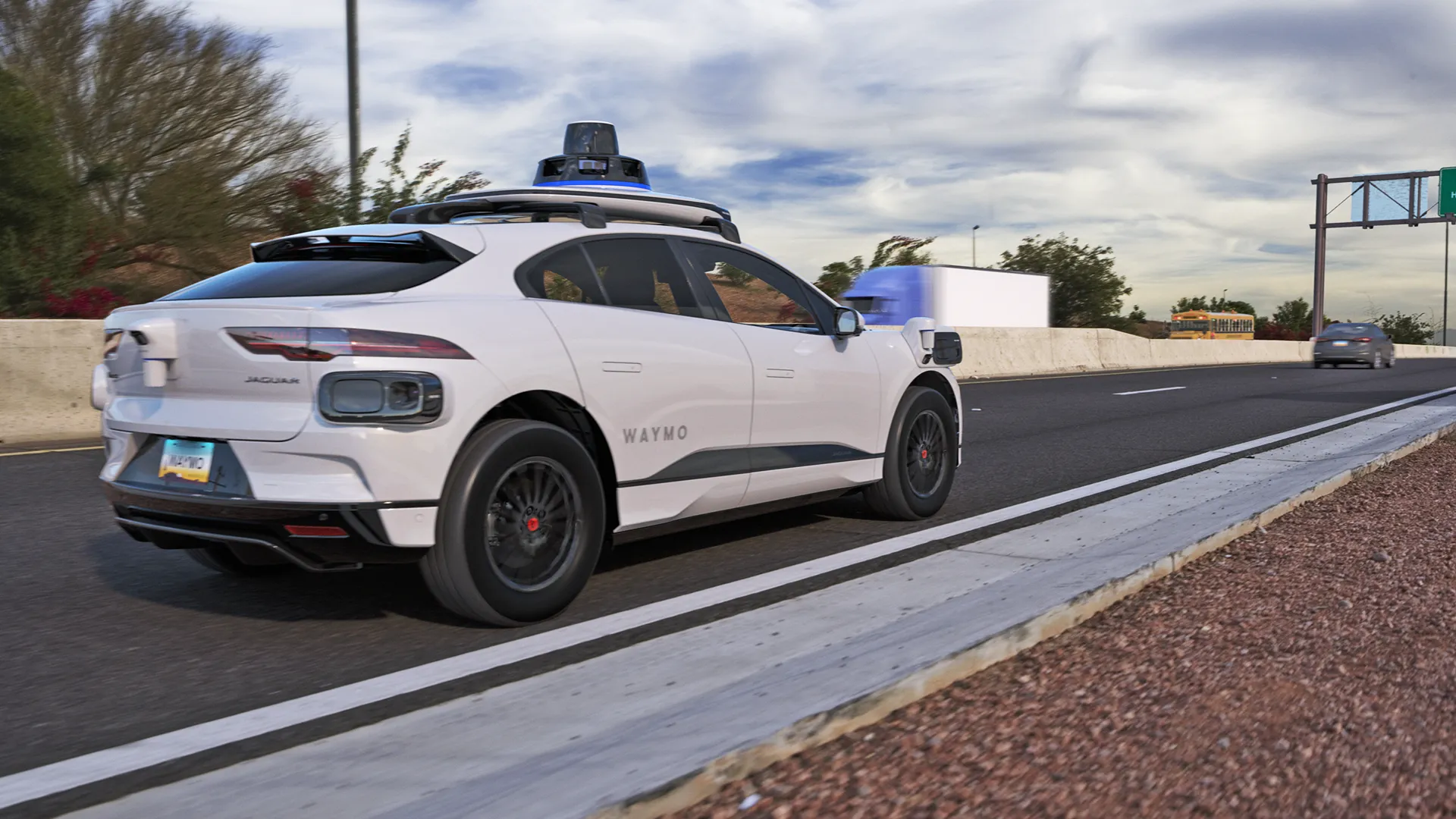
Waymo Pulls Robotaxis From US Freeways After California Ban
California's DMV barred driverless Waymo cars from state freeways, and the company has now suspended freeway rides across all its US markets.
33 sources · over 3 days
US Tightens AI Chip Export Rules, Targeting China's Overseas Data Center Access
A new Commerce rule closes the remote-access loophole and reaches five countries beyond China, landing days before Trump and Xi meet and as Nvidia halts some China shipments.
35 sources · over 4 days
Early Black Friday 2026 Tech Deals Arrive, Led by Apple and Samsung
Retailers opened Black Friday discounts more than a week early, with Apple and Samsung hardware dominating the price cuts. Amazon's official sale went live on November 19, so shoppers can compare offers now.
32 sources · over 4 days