
Pakistan Imposes Emergency Rule in Khyber Pakhtunkhwa, Suspending PTI Government
Federal authorities have taken control of Imran Khan's provincial stronghold, with mass detentions and clashes following a decision officials linked to worsening security.
By Hushread Stories, written with AI from 22 outlets · First published 17 Oct 2026 · Chapter 2 of 2
Earlier: Pakistan declares emergency rule in Khyber Pakhtunkhwa, displacing provincial government
In brief
- President Asif Ali Zardari declared emergency rule in Khyber Pakhtunkhwa on October 11, suspending its provincial government.
- The province was governed by imprisoned former prime minister Imran Khan's Pakistan Tehreek-e-Insaf party.
- Federal authorities cited worsening security and authorised army deployment, assuming sweeping powers over the province.
- Police officials reported hundreds of party members detained after emergency rule, while protests brought further clashes.
- The provincial administration remains suspended, with no timetable for restoring its authority established in the supplied coverage.
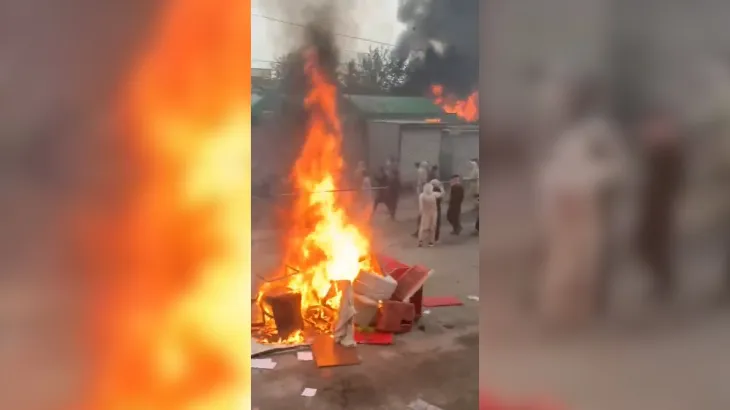
Timeline · 5 moments
Lockdown reported in province after government's dissolution
Il Post ↗Police reportedly fire live rounds as protests continue
Times of India ↗Police report hundreds of Khan party members detained
World News CNA ↗Army deployment authorised after emergency and governor's rule
Top World News- News18.com ↗President declares emergency and suspends provincial government
Deutsche Welle ↗How it started
Khyber Pakhtunkhwa, in Pakistan's northwest bordering Afghanistan, was governed by imprisoned former prime minister Imran Khan's Pakistan Tehreek-e-Insaf, or PTI. It is a stronghold of support for Khan, according to Deutsche Welle.
The federal government cited a severe breakdown in law and order amid militant violence when it took control, NYT World News reported. The Hindu linked the decision to rising terrorist attacks and a prolonged confrontation with Khan's party.
The intervention also came amid political mobilisation. Arab News described the suspension as preceding a planned march, while World News CNA reported that emergency rule followed protests. The accounts place the decision amid both security concerns and opposition demonstrations, rather than establishing one single trigger.
How it unfolded
On October 11, President Asif Ali Zardari declared a state of emergency and effectively suspended the provincial government, Deutsche Welle reported. The decision removed PTI's control over the provincial administration.
The emergency gave federal authorities sweeping administrative powers under two constitutional articles dealing with security, according to NDTV News. That day, News18 also reported authorisation for army deployment under Article 245 following the imposition of emergency and governor's rule. Authorisation does not, by itself, establish how many troops were deployed.
By October 12, police officials were reporting hundreds of detentions involving members of Khan's party, according to World News CNA. India Today had also reported that a former chief minister was under house arrest and PTI leaders had been detained.
Reports on October 13 described a widening confrontation in the streets. Times of India reported police firing tear gas and live rounds at protesters, with 50 people detained. That figure concerned the reported protest crackdown and should not be treated as a replacement for the earlier province-wide accounts of hundreds detained.
On October 14, Al Jazeera reported clashes between protesters and police over emergency and governor's rule. Il Post also reported a lockdown in the province after the government's dissolution.
Where it stands
The central change is who exercises power. The PTI-led provincial administration has been suspended, and federal authorities have assumed control. As The Hindu explained, an emergency allows the federal government to assume key executive and legislative powers in a province during a security crisis or breakdown of constitutional governance.
The supplied reporting establishes mass detentions, protests and clashes, but does not provide a consolidated arrest total or a timetable for restoring provincial authority. The latest reported street developments in this coverage are from October 14; the later entries are opinion pieces, not fresh accounts of changes on the ground.
What to watch
The unresolved issues are how long federal control will last, when provincial authority might be restored, and what happens to those detained. The supplied coverage gives no confirmed timetable for those decisions.
There is also a regional dimension. Deutsche Welle reported on October 13 that suspending the provincial government could further strain already tense relations between Islamabad and Kabul. That remains a potential consequence, not an established outcome of the emergency.
More in World
All →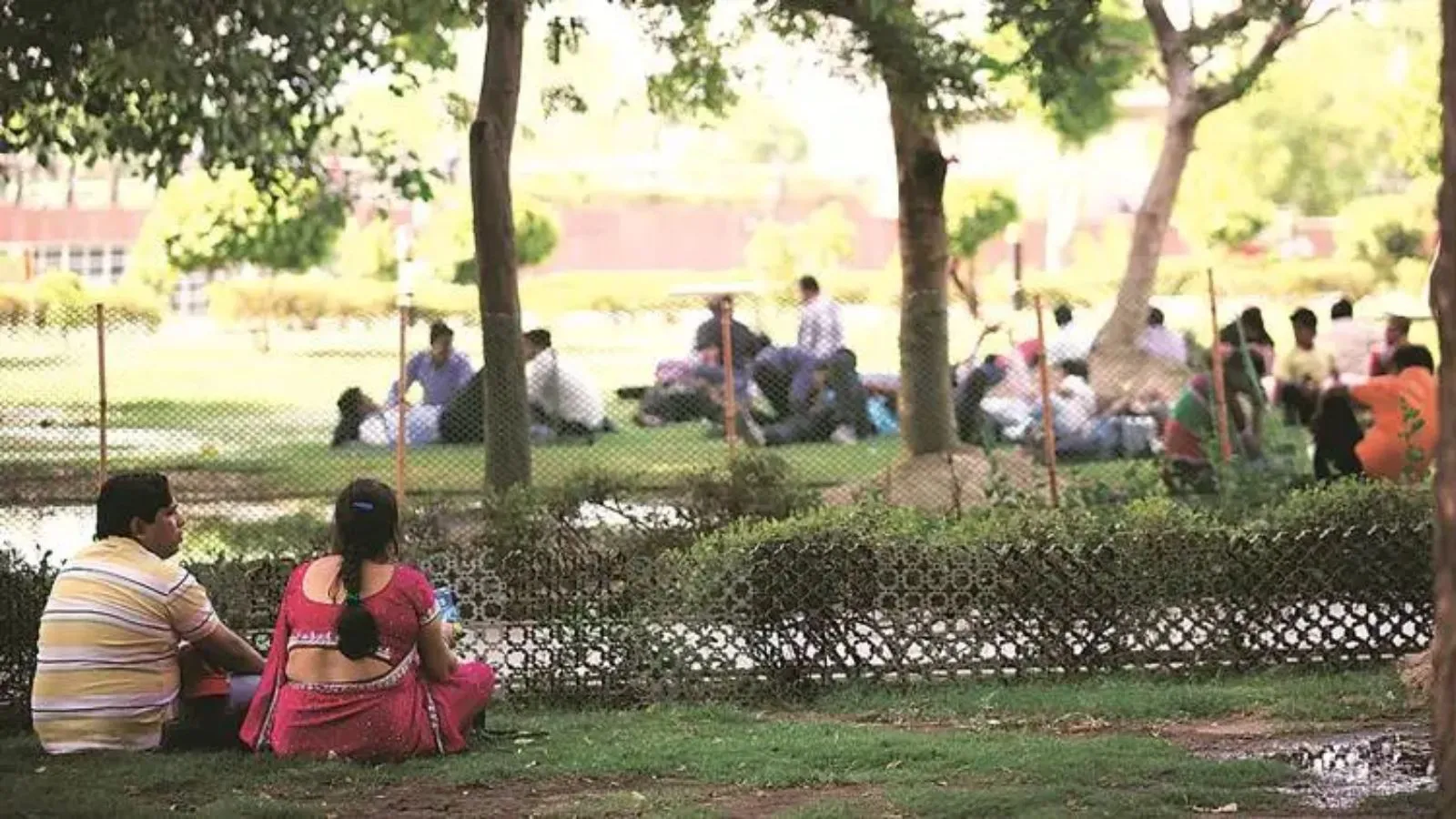
CJP Leaders Detained in Delhi: Dipke Granted Bail, Bora Released
Abhijeet Dipke was granted conditional bail and released after signing a peace bond, while Neha Bora had been released earlier.
23 sources · over 5 days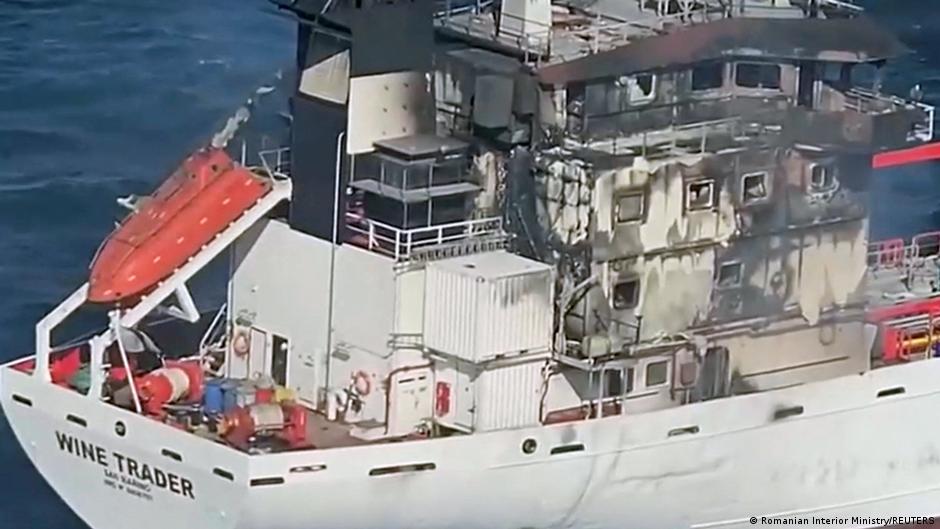
Romania Shoots Down Drones After Black Sea Attacks Hit Merchant Ships
Romanian fighter jets have intercepted drones over territorial waters after ship attacks off Romania and Bulgaria left sailors missing and prompted demands for NATO assistance.
35 sources · over 5 days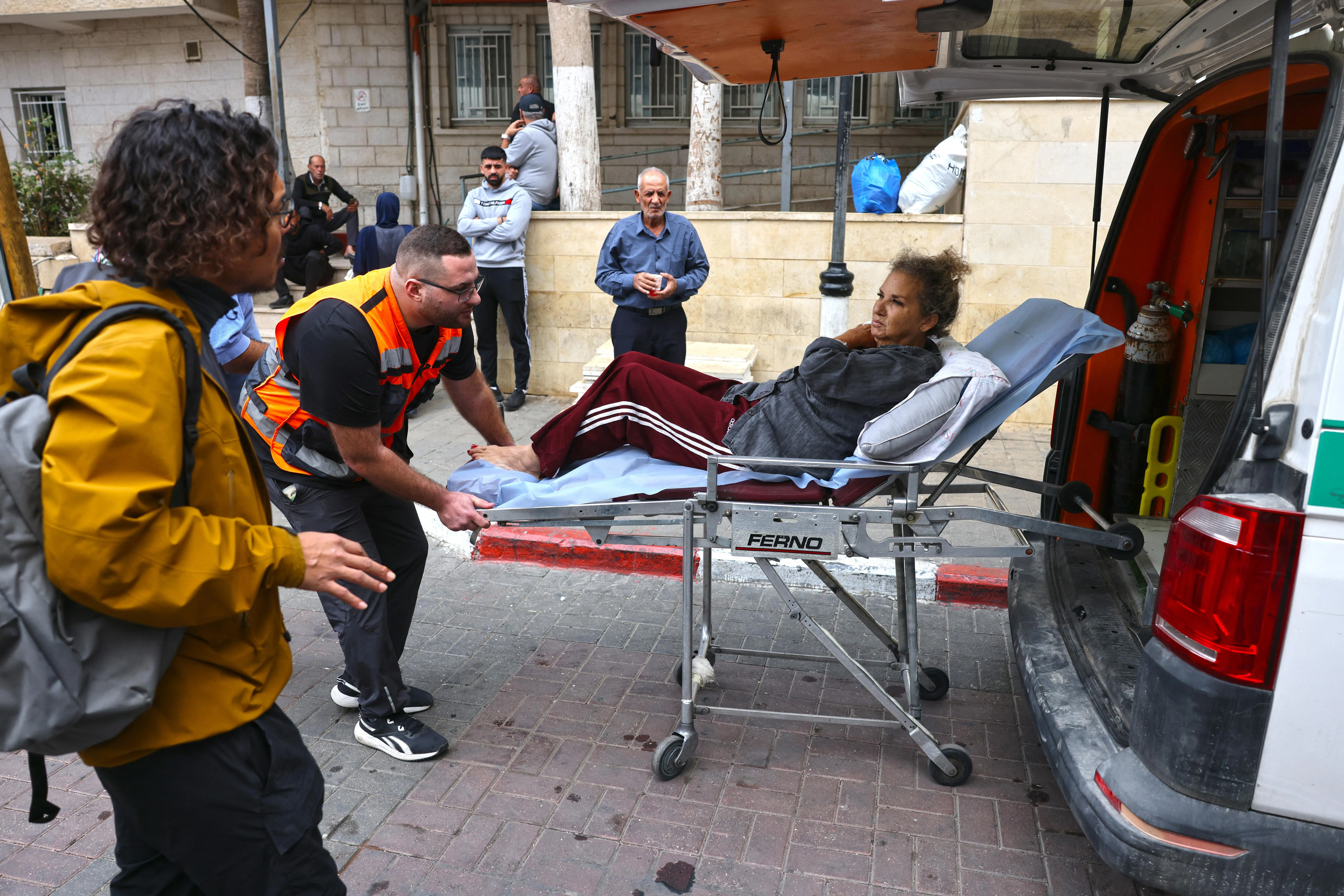
Israeli settlers attack farmers, journalist and European diplomats in West Bank
Two days of attacks during the Palestinian olive harvest have injured civilians and a journalist and reached a European delegation, prompting Belgian calls for accountability and sanctions.
35 sources · over 4 days