
Parti Québécois Wins Quebec Election but Falls Short of Majority
Quebec's separatists are returning to power with a referendum pledge, but their minority victory leaves uncertainty over the independence push and creates a new test for Canadian unity.
By Hushread Stories, written with AI from 20 outlets · First published 7 Oct 2026 · Chapter 2 of 2
Earlier: Parti Québécois Wins Quebec Election but Falls Short of Majority
In brief
- The Parti Québécois won Quebec's October 5 provincial election but fell short of a majority government.
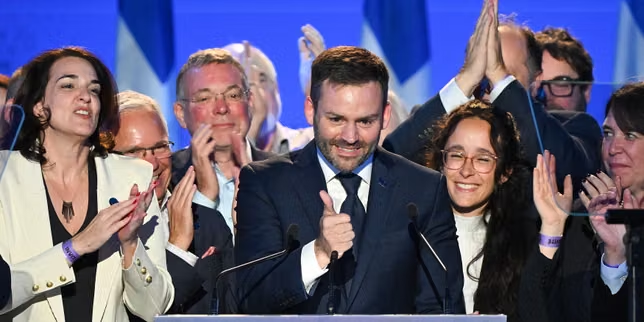
- Party leader Paul St-Pierre Plamondon will become Quebec's next premier, with another independence referendum among his promises.
- Nearly final results put the party at about 28 percent, while earlier partial results indicated about 30 percent.
- Prime Minister Mark Carney has spoken with the incoming premier about priorities and working together.
- Plamondon says he will seek an independence referendum, but not while US President Donald Trump remains in office.
Timeline · 8 moments
Quebec bonds strengthen after separatists fall short of majority
Bloomberg ↗Carney speaks with incoming premier about working together
CBC News ↗Plamondon rules out referendum while Trump remains in office
Deutsche Welle ↗Parti Québécois wins election but misses a majority
The New York Times ↗Quebec voters head to polls with separatists leading
NYT World News ↗Eve of election poll predicts Parti Québécois minority
Montreal Gazette ↗Independence remains a hard sell despite separatist lead
NYT World News ↗Plamondon promises legislation to abolish monarchy in Quebec
Global News ↗How it started
The Parti Québécois entered the final stretch of Quebec's campaign promising more than a change of government. Its leader, Paul St-Pierre Plamondon, pledged another vote on independence from Canada, three decades after Quebec voted no, according to NYT World News.
That promise did not necessarily explain all the party's support. The same report described voters as wanting change while remaining harder to persuade on independence. The campaign also covered immigration, workers' rights and parental support, Global News reported.
The separatist rise came amid a broader surge of Canadian patriotism linked to Donald Trump's trade war and annexation threats, according to Japan Times. Quebec's election was therefore becoming a test of national unity as well as provincial leadership.
How it unfolded
On September 30, Plamondon promised to table a law abolishing the monarchy in Quebec if elected. He made that commitment when questioned about its constitutionality, Global News reported.
By October 4, the election looked unusually crowded. Five parties were potentially positioned to elect members for the first time in 50 years, according to Global News. A poll reported by Montreal Gazette predicted a Parti Québécois minority government.
On October 5, voters went to the polls with the Parti Québécois leading. NYT World News reported that the party could return to power after more than a decade, having promised an independence referendum if elected.
On October 6, reports confirmed a victory without a majority. The New York Times reported that the result fell short of the majority that would have made a potential showdown with Ottawa much more likely. The Hindu attributed the outcome to vote-splitting among federalist parties, with partial results putting the separatists at about 30 percent of the vote.
Later coverage gave a lower figure. Franceinfo reported about 28 percent in nearly final results and said the party had not governed Quebec since 2014. The figures reflect different stages of the count, rather than a single settled total.
Where it stands
Plamondon will become Quebec's 34th premier, according to Le Monde. The Parti Québécois has won power, but its minority result limits the strength of its electoral mandate. CBC Top Stories reported on October 7 that most Quebecers do not want to secede from Canada, despite electing a separatist party.
Prime Minister Mark Carney has already spoken with the incoming premier about priorities and cooperation, CBC News reported. According to Euronews, Carney pledged to work with the incoming government on provincial needs, including jobs and resisting a hostile US administration.
The minority outcome also drew a positive market response. Bloomberg reported that Quebec's bonds tightened as investors gained confidence following the party's failure to secure a majority.
What to watch
The referendum timetable remains unresolved in the coverage. Before voting, The Guardian News reported a pledge to hold a referendum by 2028. After the election, Deutsche Welle reported that Plamondon would seek a vote, but not while US President Donald Trump remained in office. Those accounts give different timing signals, leaving the eventual date unclear.
The next question is how the incoming minority government turns its promises into action. Quebec's anglophones are watching whether commitments made to their community will be kept alongside the independence push, according to Global News.
More in Politics
All →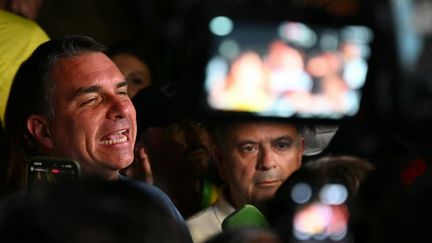
Brazil Presidential Election Heads to Runoff After Flávio Bolsonaro Outpolls Lula
Flávio Bolsonaro's first-round lead over President Luiz Inácio Lula da Silva has shifted attention to endorsements, televised debates and an October 25 runoff that will decide Brazil's presidency.
61 sources · over 7 days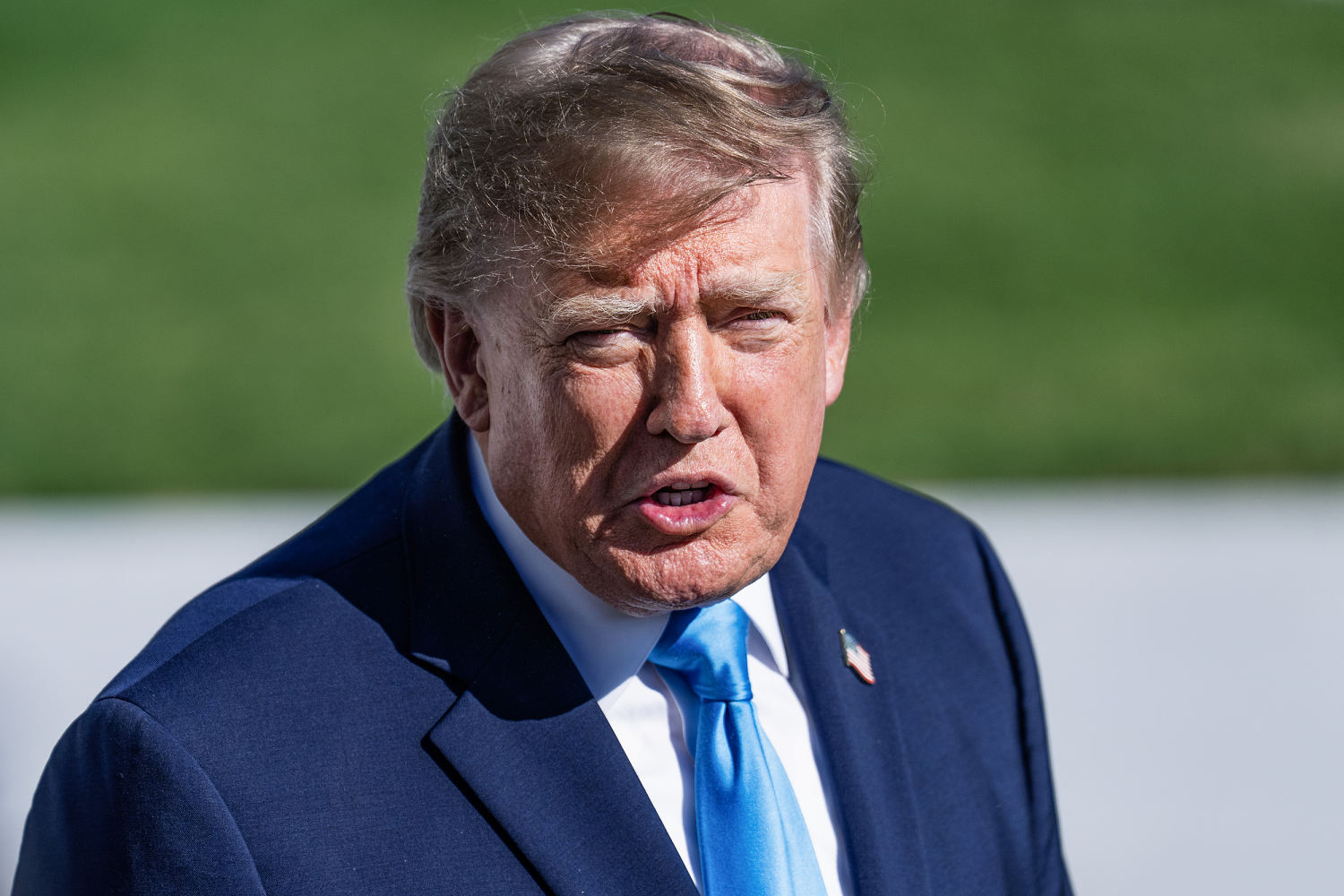
Trump Says His Super PAC Will Pay for Government-Funded Promotional Ads
After bipartisan criticism, Trump says public money will no longer fund ads praising him, but questions remain about reimbursement and how future advertising will be paid for.
23 sources · over 5 days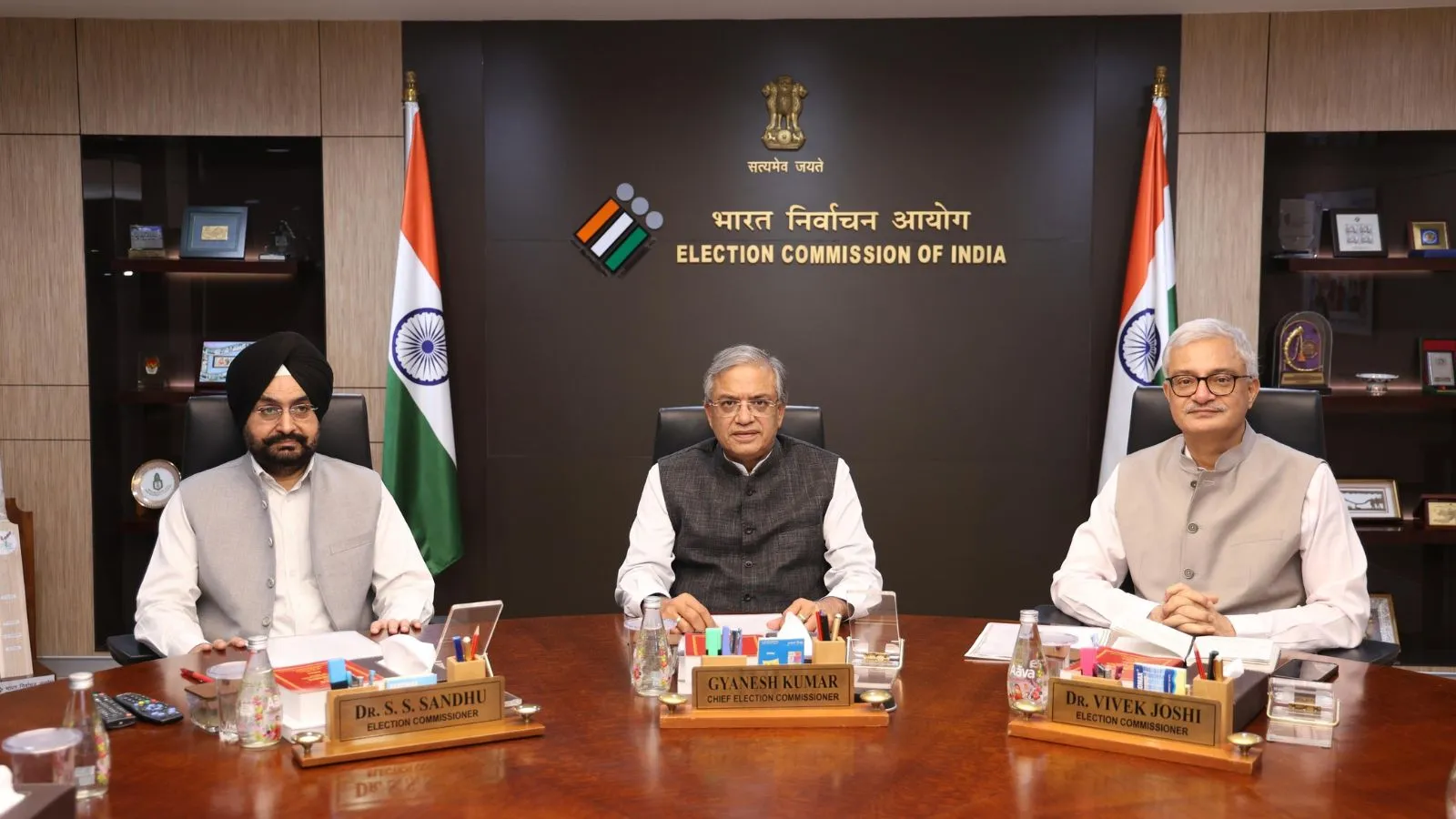
Supreme Court questions Form 6 changes as Election Commission faces backlash
The dispute over voter registration requirements has reached the Supreme Court, while the Election Commission launches a drive to restore eligible voters omitted during electoral roll revisions.
10 sources · over 7 days