
Polanski faces resignation calls after Greens adopt Zionism is racism policy
The Green leader's by-election defeat has intensified a dispute over the conference vote, with Jewish Greens demanding his resignation and Prime Minister Andy Burnham urging reversal.
By Hushread Stories, written with AI from 15 outlets · First published 9 Oct 2026
Earlier: Green Party faces widening backlash after adopting 'Zionism is racism' policy
In brief
- Green Party members adopted the policy at their Brighton conference by 1,022 votes to 813 on October 4.
- Jewish groups, Israel's government, Labour and the Conservatives condemned the decision, which also divided Green MPs.
- Prime Minister Andy Burnham has called on Zack Polanski to reverse the motion declaring Zionism a form of racism.
- Polanski lost a parliamentary election to Labour but says he will remain leader despite internal calls to resign.
- The Greens are investigating a member behind the motion, while complaints have been directed to police and equality regulators.
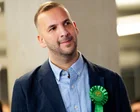
Timeline · 10 moments
Jewish Greens leader calls for Polanski to resign
Guardian Politics ↗Polanski loses election but vows to remain leader
BBC - Home ↗Campaign Against Antisemitism refers Greens to equality commission
Home | GB News ↗Prime Minister Burnham calls for motion to be reversed
BBC - Home ↗Greens investigate party member behind the Zionism motion
BBC Politics ↗Labour figures reject prospect of cooperation with Greens
Guardian Politics ↗Nine Labour MPs request police scrutiny of conference
BBC - Home ↗Israel bars Polanski as condemnation of policy grows
Euronews ↗Brighton conference adopts policy by 1,022 votes to 813
Guardian Politics ↗Green members prepare to vote on Zionism motion
Middle East Eye ↗How it started
The dispute began with a proposed conference motion declaring Zionism a form of racism. On October 2, Middle East Eye reported that Green Party members would vote on it. The debate concerned the Green Party of England and Wales.
The proposal put Zack Polanski's leadership under pressure before the Holborn and St Pancras by-election. The Financial Times described the coming week as a defining test, while the Guardian reported that Polanski said his authority did not depend on winning the seat.
How it unfolded
On October 4, members approved the motion at the party's annual conference in Brighton by 1,022 votes to 813, according to the Guardian. The report said the proposal had alarmed some Jewish members. It became party policy, but the vote showed substantial opposition within the membership.
Condemnation followed from Jewish groups, Labour and Israel's government, the National Post reported that day. On October 5, Euronews reported that Israel had barred Polanski and that at least three of the party's five MPs had opposed the policy. The Conservatives also condemned it.
The repercussions extended beyond Britain. On October 5, the Guardian reported dismay from the group representing European Greens. The BBC also reported that nine Labour MPs had referred the party to Sussex Police, asking whether alleged possible antisemitic offences at the conference warranted a criminal investigation. That request was not a finding that offences had occurred.
On October 6, senior Labour figures said future cooperation with the Greens was very unlikely, according to the Guardian. A minister said they could not see the parties cooperating, while an official argued that a coalition should be formally ruled out. Those statements did not establish a formal party decision banning cooperation.
On October 7, the BBC reported that the Greens were investigating Lubna Speitan, a party member behind the motion. The report said court documents had listed her as a close friend of a man later jailed for supporting al-Qaeda. On October 8, the BBC reported that Prime Minister Andy Burnham had called on Polanski to reverse the motion.
Where it stands
By October 9, Polanski had lost the parliamentary by-election to Labour, according to The Times of Israel. He nevertheless vowed to remain Green leader as calls for his resignation grew, the BBC reported.
Vivien Lichtenstein, leader of the Jewish Greens, called for him to stand down over the policy after his defeat, according to the Guardian. The supplied coverage reports no reversal of the conference decision. Polanski now faces both a dispute over party policy and a direct challenge to his leadership.
What to watch
The immediate issue is whether Polanski and the party respond to demands to reverse the motion or to the internal calls for his resignation. His stated position is that he will stay. The outcome of the party's investigation into Speitan also remains unresolved in the supplied coverage.
There are separate complaints outside the party. GB News reported on October 8 that the Campaign Against Antisemitism had referred the Greens to the Equality and Human Rights Commission. Neither that referral nor the MPs' request to Sussex Police establishes that either body has opened a formal investigation.
More in Politics
All →
Brazil Presidential Election Heads to Runoff After Flávio Bolsonaro Outpolls Lula
Flávio Bolsonaro's first-round lead over President Luiz Inácio Lula da Silva has shifted attention to endorsements, televised debates and an October 25 runoff that will decide Brazil's presidency.
64 sources · over 9 days
BJP Wins Reported in Bengal as Six Bypoll Contests Reach Counting
Counting has brought reported BJP victories in Bengal and an AINRC win in Puducherry, while other contests remain unsettled and allegations over Bengal polling persist.
8 sources · over 5 days
US Suspends Microsoft, Adobe and Indian IT Firms From Residency Program
The suspensions target a route companies use to sponsor foreign workers for permanent US jobs, widening the administration's crackdown amid allegations of visa and labour programme abuse.
43 sources · today