
Pope Leo XIV Reaches Córdoba After Massive Buenos Aires Mass
Pope Leo XIV's Argentina visit moves to Córdoba after a huge Buenos Aires Mass, appeals to protect vulnerable people and private meetings with clergy abuse survivors.
By Hushread Stories, from 21 outlets · First published 10 Nov 2026 · Chapter 2 of 2
Earlier: Pope León XIV draws millions to Mass in Buenos Aires
In brief
- Pope Leo XIV celebrated his largest Mass yet in Buenos Aires, with attendance estimates reaching 2.5 million people.
- His visit has highlighted disability care, unemployment and protection for vulnerable people amid President Javier Milei's spending cuts.
- The Pope met privately with clergy abuse survivors and pledged stronger safeguards and attention to victims.
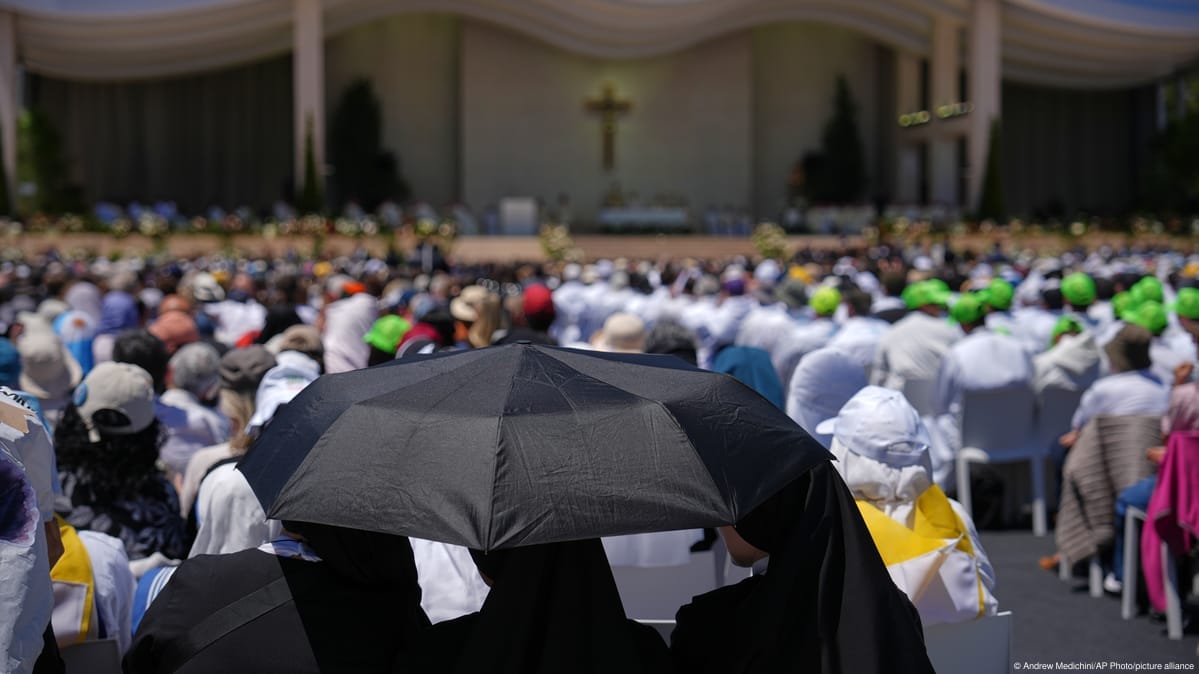
- Leo arrived in Córdoba on November 10, where thousands had spent the night awaiting his second Argentine Mass.
- Attendance forecasts for the Córdoba celebration range from 800,000 to around one million, with final numbers still unconfirmed.
Timeline · 6 moments
Leo arrives at Córdoba grounds for second Argentine Mass
Infobae ↗Privileged seating at Buenos Aires Mass draws criticism
Perfil.com ↗Private meetings with abuse survivors bring safeguards pledge
Al Jazeera ↗Pope denounces unemployment before business leaders and workers
ABC ↗Leo urges protection for vulnerable people at care facility
Euronews ↗Buenos Aires Mass draws an estimated 2.5 million people
Deutsche Welle ↗How it started
Pope Leo XIV's visit has combined enormous public celebrations with pointed messages about Argentina's social needs. The trip is the first papal visit to the country since 1987, according to World News, which places it within a 12-day South American journey.
The central tension is already clear: the Pope is calling for protection of vulnerable people while President Javier Milei cuts disability care and social services. Deutsche Welle described Leo's message in Buenos Aires as a renewed warning over those austerity measures.
How it unfolded
On November 9, Leo celebrated an outdoor Mass in Buenos Aires that drew the largest gathering of his pontificate. Estimates varied: RTBF reported two million attendees, while Deutsche Welle put the crowd at an estimated 2.5 million.
At the Mass, Leo defended the importance of the Christian family, according to El Colombiano. President Javier Milei also attended, DER SPIEGEL reported.
The Pope's social message extended beyond the celebration. At Cottolengo Don Orione, which cares for more than 400 people and has been affected by Milei's cuts, he said a nation's progress should be judged by its treatment of those most in need, according to Euronews.
In a meeting with business leaders, trade unionists, workers and representatives of popular movements, Leo denounced unemployment and its damage to human dignity, ABC reported. Union and social movement leaders subsequently interpreted his remarks as support for their campaign against Milei, according to Perfil.com. That was their reading of his address, not a reported endorsement by the Pope.
Leo also held private meetings with clergy abuse survivors. Al Jazeera reported that he pledged to reinforce safeguards and listen to victims.
On November 10, the visit moved to Córdoba. Infobae reported that Leo arrived at the Fábrica Argentina de Aviones grounds in the popemobile, after thousands of faithful had spent the night there in vigil.
Where it stands
The latest coverage places Leo in Córdoba ahead of his second Mass in Argentina. Attendance figures remain forecasts rather than confirmed totals: Excélsior reported an expectation of 800,000 people, while El Cronista said one million were expected.
Back in Buenos Aires, access to the previous day's Mass has drawn scrutiny. Perfil.com reported criticism of a privileged area offering celebrities and political figures food and shelter from the sun while other worshippers and volunteers waited outdoors. Vice President and Senate President Victoria Villarruel said the government had not invited her, according to Infobae.
What to watch
The immediate next development is the Córdoba Mass, including its final attendance and Leo's message there. The supplied reports describe preparations and his arrival, but do not yet establish that the celebration has concluded.
Another open question is whether Leo's appeals on employment and care for vulnerable people produce concrete commitments. The coverage records his interventions and political reactions, but no resulting policy changes.
More in World
All →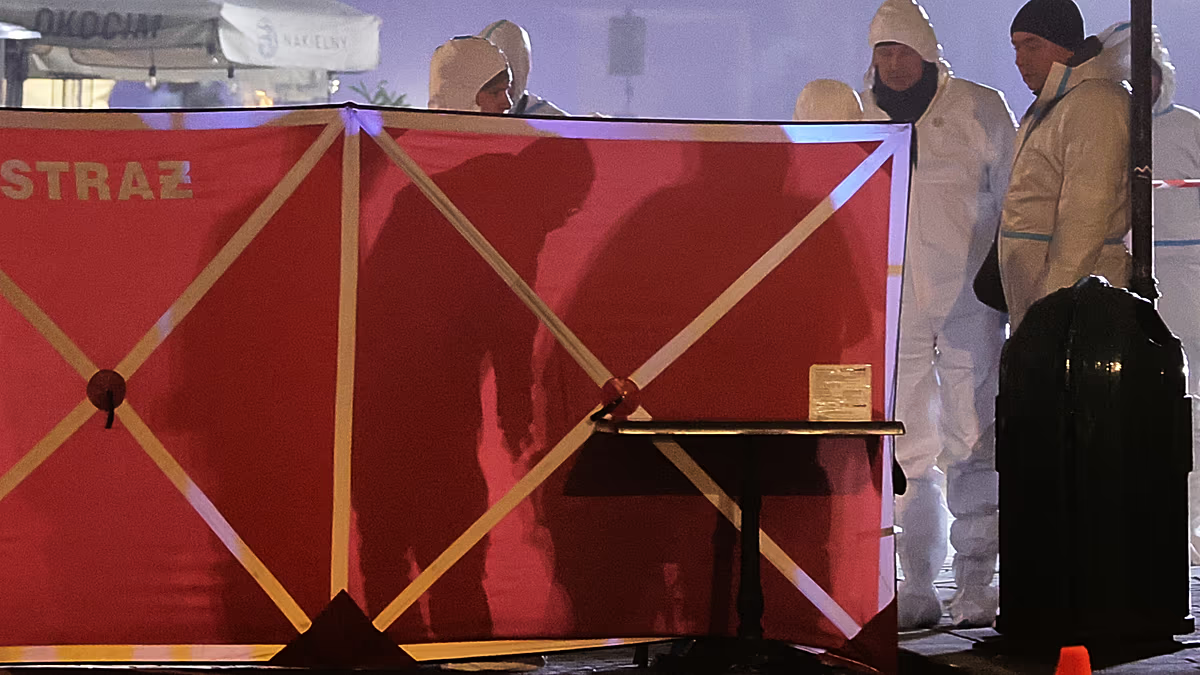
Krakow Shooting Kills Six; Suspect Dies in Hospital
A 24-year-old suspect died in hospital on November 9 after the shooting that killed six and wounded 15 in Krakow.
83 sources · over 3 days
Turkey Steel Mill Explosion Near Izmir Kills at Least 17
The death toll at the HABAŞ steelworks in Aliağa has risen to 17, and authorities ordered 11 detentions, including the company's board chairman.
27 sources · over 2 days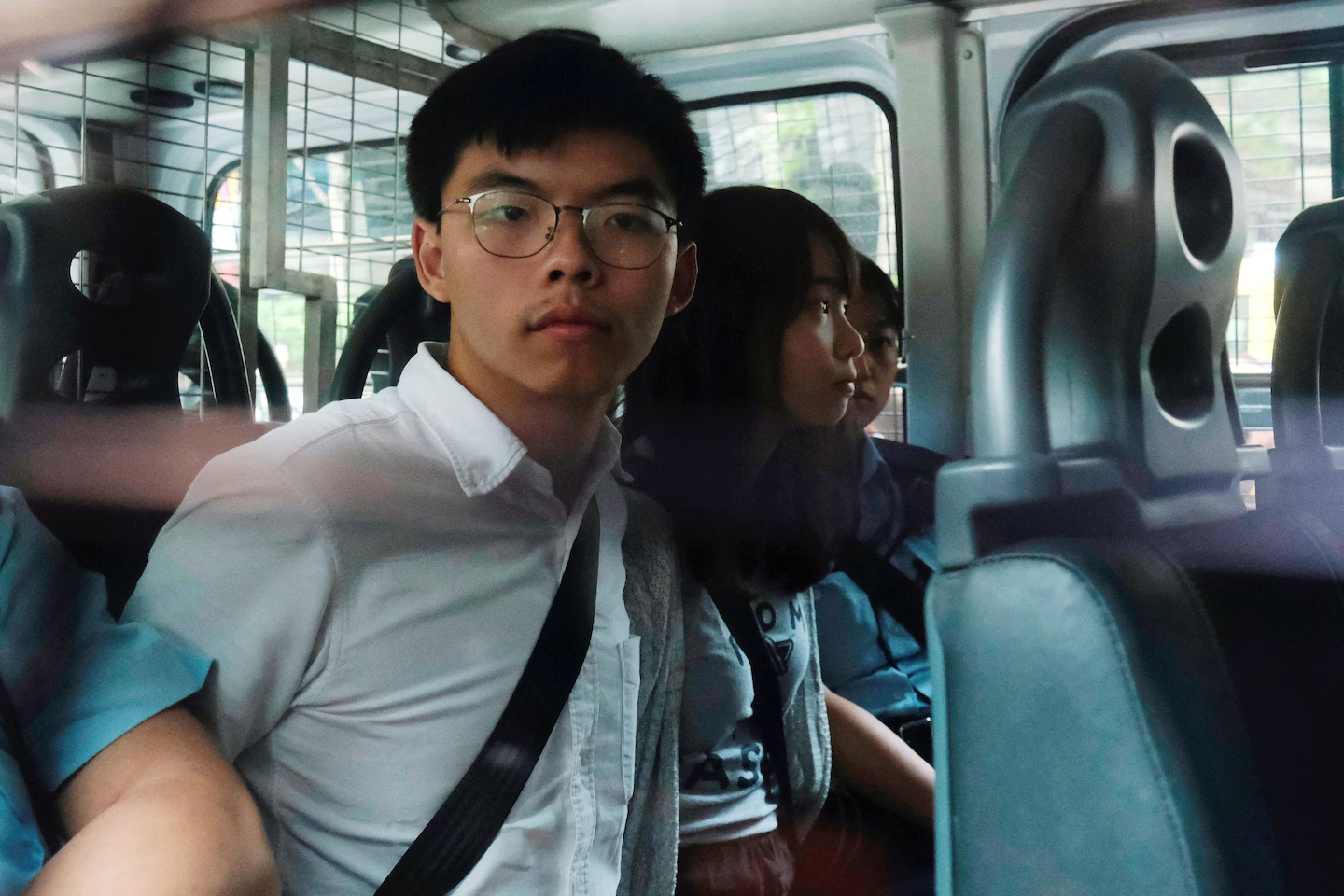
Joshua Wong Sentenced to 10 More Years in Hong Kong
The activist's second national security conviction pushes his expected release to 2036, drawing international condemnation and a joint statement from Canada and nine other countries.
46 sources · over 3 days