
Ratko Mladic Dies at 84 While Serving Life for Srebrenica Genocide
Ratko Mladic, the architect of the Srebrenica massacre and a symbol of unresolved Balkan divisions, has died in prison, sparking fresh debate over justice, memory, and the legacy of the Bosnian War.
By Hushread Stories, written with AI from 50 outlets · First published 28 Aug 2026
In brief
- Ratko Mladic died at 84 in The Hague while serving a life sentence for genocide and war crimes.
- His death has sparked polarized reactions, with some in Serbia celebrating him as a hero despite his convictions.
- Mladic's body will be transferred to Serbia for a state funeral, which has drawn criticism from the European Union.
- An investigation into the circumstances of his death and medical care in The Hague is currently underway.
- The ongoing debate over Mladic's legacy continues to impact regional relations and discussions about the Bosnian War.
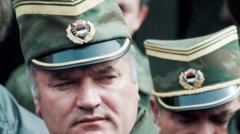
Timeline · 7 moments
EU decries public honors for Ratko Mladic in Serbia
Franceinfo ↗Bosnian and Croatian leaders denounce Mladic tributes
Analitika ↗European officials warn Serbia over honoring Mladic
DW Türkçe ↗Bosnian Serbs and Serbian nationalists hold public tributes
France24 ↗EU and Balkan countries condemn glorification of Mladic
Franceinfo ↗Serbian government plans state honors for Mladic funeral
Telegraaf ↗Ratko Mladic, Butcher of Bosnia, dies at 84 in The Hague
CBC Top Stories ↗How it started
Ratko Mladic was a Bosnian Serb general who became infamous during the Bosnian War of the 1990s. He led the Bosnian Serb army and orchestrated the Srebrenica massacre in July 1995, where more than 8,000 Bosniak Muslim men and boys were killed.
For years after the war, Mladic evaded capture. In 2017, he was found guilty by a UN tribunal in The Hague for genocide, crimes against humanity, and war crimes. He was sentenced to life in prison. Despite the convictions, Mladic remained a divisive figure. Many in Serbia and among Bosnian Serbs regarded him as a national hero, while survivors and the international community saw him as the "Butcher of Bosnia."
Key events and reactions
On August 27, 2026, news broke that Ratko Mladic had died at the age of 84 in a hospital in The Hague, where he was serving his life sentence. CBC and other outlets confirmed his death and noted that previous appeals for his release due to health issues had been denied.
The announcement set off immediate and polarized reactions. In Serbia and among Bosnian Serbs, some hailed Mladic as a hero. According to Franceinfo and Deutsche Welle, spontaneous tributes appeared in Serbia and the Republika Srpska region of Bosnia, reflecting ongoing nationalist sentiment. The Serbian government quickly announced plans to bury him with military and state honors, a move that generated controversy.
Internationally, the response was sharply critical. The European Union and several Western governments condemned the glorification of a convicted war criminal. Outlets like DER SPIEGEL and France24 highlighted concerns that honoring Mladic with a state funeral contradicted European values and justice for war crimes victims.
In Bosnia, survivors and victims' families expressed that Mladic's death did not bring closure. Many pointed out that his legacy and the ideology behind his crimes are still present, both politically and socially, in the region. Political figures in neighboring countries, such as Croatia and Montenegro, criticized officials who expressed condolences or paid tribute to Mladic, arguing that such gestures insult the victims and undermine prospects for reconciliation.
Where things stand now
Ratko Mladic's body is set to be transferred to Serbia, where he will receive a state funeral with military honors, as confirmed by Serbian officials. The decision has deepened divisions between Serbia and its neighbors, and has drawn criticism from the European Union. Meanwhile, the circumstances of his death are under review, as Serbian authorities have called for an investigation into his medical care in The Hague.
The debate over Mladic's legacy remains intense. In Serbia and parts of Bosnia, he is still celebrated by some, while for survivors and much of the international community, his name is synonymous with genocide and ethnic cleansing.
What comes next
The main unresolved issue is whether the investigation into Mladic's death in The Hague will reveal any failures in his medical treatment. Politically, the controversy over his funeral and public honors could impact Serbia's relations with the European Union and its prospects for EU membership. The divisions exposed by his death are likely to play a role in upcoming elections and regional debates about the legacy of the Bosnian War.
More in Politics
All →
Katie Zacharia Fired After Five Days Amid Questions Over Legal Credentials
Katie Zacharia's departure ends a brief tenure dominated by questions about her legal background and first briefing, after President Donald Trump publicly suggested she reconsider the job.
77 sources · over 5 days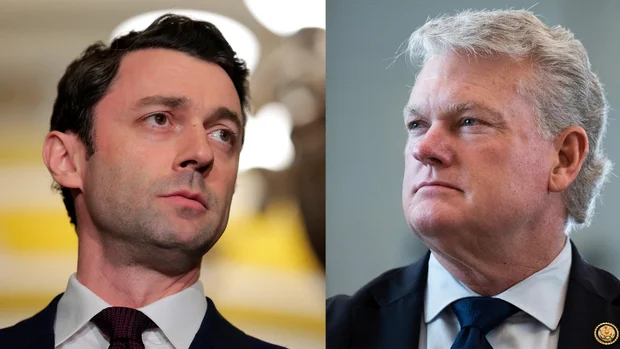
Jon Ossoff Rules Out 2028 Presidential Run in Georgia Senate Debate
The Georgia Democrat pledged to serve a full six-year Senate term if reelected, addressing presidential speculation as his November 3 contest against Republican Mike Collins approaches.
10 sources · over 3 days
Justice Department sues California over voter rolls, warns election workers
The federal government wants roughly 20,000 voters' mail ballots withheld from counting, and has warned California election officials of possible prosecution weeks before the midterms.
15 sources · over 4 days