
RBA Raises Rates to 4.85% as Australia's Housing Slump Deepens
Australia's fifth interest rate increase this year takes borrowing costs to an 18-year high, adding pressure on mortgage borrowers as house prices fall and inflation remains above target.
By Hushread Stories, from 8 outlets · First published 3 Nov 2026
In brief
- The Reserve Bank of Australia raised its cash rate by 25 basis points to 4.85% on November 3.
- The decision marked Australia's fifth rate increase this year and took rates to their highest level since 2008.
- Policymakers voted six to three for the increase, with inflation expected to remain above 3% until late 2027.
- Westpac expects house prices to fall 11%, while warning that interest rates will remain elevated.
- Westpac's profit missed expectations, and Chief Executive Officer Anthony Miller said Australia's economic outlook remains uncertain.
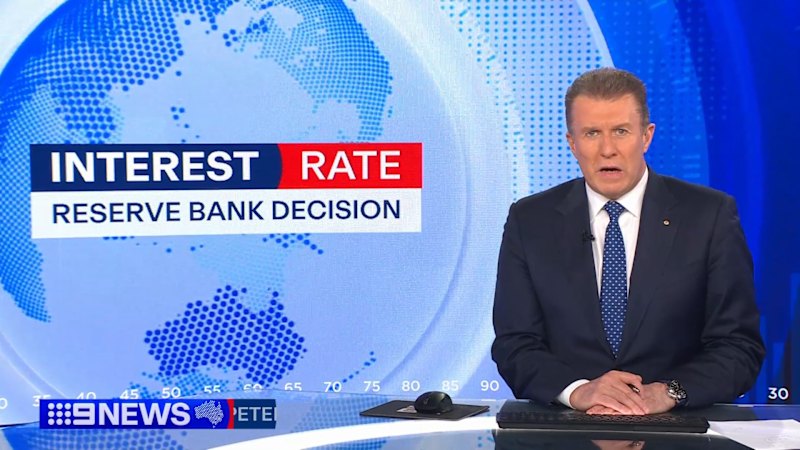
Timeline · 5 moments
RBA raises interest rates for fifth time this year
Sydney Morning Herald ↗Expected rise to highest rates since 2008 sparks recession fears
Sydney Morning Herald ↗Australia's housing slump deepens ahead of expected rate increase
WSJ ↗Westpac forecasts an 11% fall in house prices
Sydney Morning Herald ↗Westpac profit misses expectations as CEO warns of uncertainty
Bloomberg ↗How it started
Australia's latest interest rate decision arrived with the housing market already weakening. On November 2, WSJ reported that the housing slump was deepening ahead of another expected increase in borrowing costs.
The pressure was also visible in banking results. Westpac's profit missed expectations, and Chief Executive Officer Anthony Miller said Australia's economic outlook remained uncertain, according to Bloomberg.
How it unfolded
On November 1, Bloomberg reported Westpac's profit miss. Breaking News on Seeking Alpha Business & Economy also reported that loan loss provisions had climbed.
That same day, the Sydney Morning Herald reported that Westpac posted a $6.8 billion profit and expected house prices to fall 11%. The lender expected interest rates to remain elevated and prices to have fallen more than 10% by March.
On November 2, WSJ reported further declines in Australian home prices. The Sydney Morning Herald reported that the expected rise to the highest interest rate level since 2008 was sparking recession fears.
On November 3, the expected increase became a decision. The RBA raised rates by 25 basis points, its fifth increase this year, according to the Sydney Morning Herald. CNBC reported that the move matched economists' expectations.
Where it stands
The cash rate now stands at 4.85%, following a six-to-three vote, according to investingLive. Bloomberg Economics described the decision as taking Australia's key rate to an 18-year high.
Inflation remains the reason for tightening despite the housing decline. FT Economics reported that inflation was still above target, while investingLive reported the RBA expected it to remain above 3% until late 2027.
What to watch
The immediate issue is whether house prices keep falling as borrowing costs rise further. Westpac's forecast provides a concrete benchmark: an 11% decline, with prices expected to have fallen more than 10% by March, according to the Sydney Morning Herald.
The other question is how quickly inflation eases. The RBA's expectation that it will remain above 3% until late 2027, reported by investingLive, leaves borrowers facing uncertainty over how long high rates will last.
More in Business
All →
Marvell Agrees to Buy Lumentum in $115 Billion All-Stock Deal
The proposed combination would bring Lumentum's optical components into Marvell as the companies seek to serve the growing market for artificial intelligence data centers.
22 sources · today
AI Stock Rout Erases Trillions as Investors Challenge Big Tech Spending
A bruising technology selloff is testing confidence in AI investment, with investors demanding evidence that growing revenue can justify enormous spending and pressure on cash flow.
69 sources · over 6 days
Newsom Proposes Expanding California Film Tax Credit to $1 Billion Annually
With production jobs leaving California, Governor Gavin Newsom wants a larger film and television tax credit, making the proposal just before voters elect his successor.
9 sources · today