
Researchers develop AI tool to estimate cancer survival from facial photographs
A new study suggests facial photographs could help estimate cancer patients' survival chances, offering a potentially accessible source of information for treatment decisions.
By Hushread Stories, from 15 outlets · First published 22 Oct 2026
In brief
- Researchers have developed an artificial intelligence tool that estimates cancer survival chances from a single facial photograph.
- Experts at Mass General Brigham built the system to extract information about health from facial images.
- An AI tool was trained on more than 40 million pictures to identify indicators of health.
- The research links facial analysis with estimates of biological age and the risk of death.
- The reported findings concern survival estimates, not a way to determine an individual patient's future with certainty.
Timeline · 5 moments
Coverage examines potential relevance to cancer treatment choices
Xataka ↗Eye and nose regions identified as important signals
BBC - Home ↗Study publication in The Lancet Digital Health reported
La Nacion ↗Training on more than 40 million pictures reported
The Independent ↗Researchers report survival estimates from a single facial photograph
AI - The Guardian ↗How it started
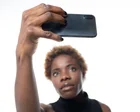
The research starts with a simple proposition: a photograph of someone's face may contain useful information about their health. Researchers have developed AI models that estimate biological age and cancer survival chances from a single facial image, according to Global News.
Experts at Mass General Brigham built the system, Times now reported. The potential application is in cancer care, where an estimate of survival risk could help inform treatment decisions.
How it unfolded
On October 19, The Guardian reported that doctors had developed an AI system capable of estimating biological age and predicting a cancer patient's chances of survival from one photograph.
The same day, The Independent reported that an AI tool had been trained on more than 40 million pictures to identify key indicators of health. That figure describes the image training material, not a reported number of cancer patients in the study.
On October 20, La Nacion reported that the new study had been published in The Lancet Digital Health. Its coverage described facial photographs as a possible source of health information that is not obvious to the eye.
Also on October 20, the BBC identified the tool as FaceSurvival and reported that the areas under the eyes and around the bridge of the nose were particularly important to its survival estimates.
By October 22, Xataka was framing the research around a practical problem for oncologists: deciding which treatment is best after a cancer diagnosis.
Where it stands
The reported result is a research finding about estimating risk from facial images. Digital Trends described the model as estimating biological age and mortality risk, while Global News described models estimating the chances of surviving cancer treatment.
Those are predictions, not certain outcomes for individual patients. The supplied coverage does not establish routine clinical use or provide enough detail to assess accuracy across different patient groups.
What to watch
The central open questions are how reliably the tool works across different patients and whether its estimates improve treatment decisions. The supplied coverage does not give a clinical rollout timetable or explain how doctors would combine a facial prediction with other medical information.
More in Health
All →
Calley Means resigns from Trump administration as MAHA agenda stalls
The departure of Robert F. Kennedy Jr.'s senior adviser comes ahead of the midterm elections, with reports linking his exit to frustration over stalled health and food reforms.
8 sources · today
Pope Leo XIV Resumes Public Duties After Lung Cancer Surgery
Doctors say the Pope needs no further cancer treatment after tests confirmed a localized tumour, as he resumes public appearances and faces decisions about November travel.
44 sources · over 5 days
France Reports First Human Shamonda Virus Case After Patient Dies
The first known human detection challenges earlier assumptions about the animal virus, but French authorities say the severely immunocompromised patient's infection poses no general public health risk.
35 sources · today