
Russia and Ukraine Agree Local Truce as November Talks Take Shape
A humanitarian ceasefire for occupied Oleshky offers limited progress as Ukraine, Russia and the United States prepare wider negotiations, but reports differ on when the truce begins.
By Hushread Stories, from 77 outlets · First published 24 Oct 2026 · Chapter 10 of 10
Earlier: Russia and Ukraine Agree Oleshky Truce as Wider Peace Talks Loom
In brief
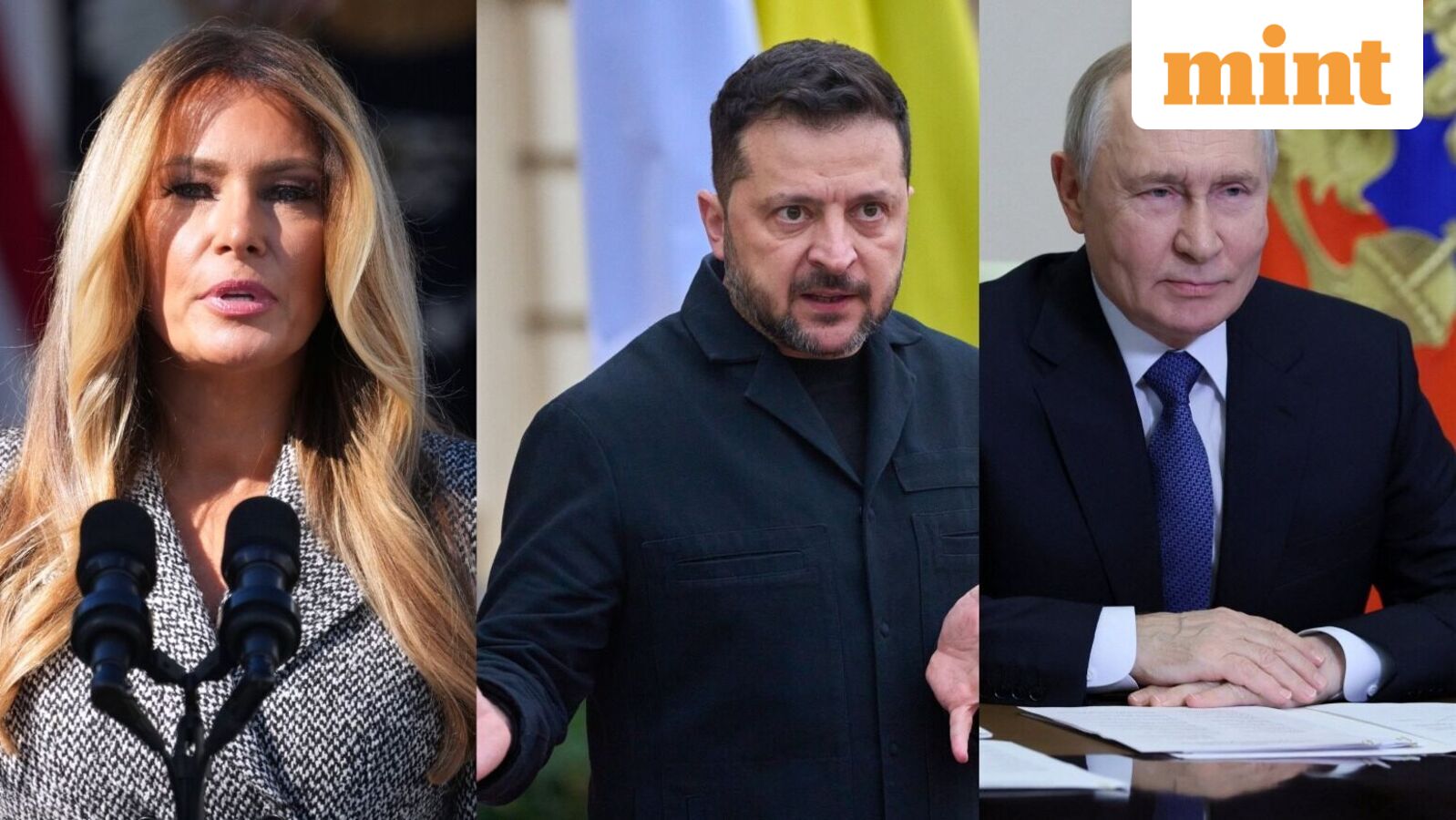
- The White House says Melania Trump helped broker a temporary ceasefire for the occupied Ukrainian city of Oleshky.
- The agreement is intended to allow humanitarian aid deliveries and civilian evacuations, not to end fighting across Ukraine.
- Most reports give October 29 as the start date, while other coverage says the truce begins October 27.
- Zelensky says Ukrainian, Russian and American negotiators agreed to technical talks in the first half of November.
- Russia and Ukraine continued exchanging strikes despite renewed willingness to negotiate, leaving broader peace prospects uncertain.
Timeline · 5 moments
Negotiator gives October 27 start for humanitarian ceasefire
The Hindu ↗Zelensky says technical peace talks agreed for November
CNN Brasil ↗Kremlin confirms local ceasefire for civilian evacuations
Infobae ↗White House announces Melania Trump brokered Oleshky ceasefire
The Hill ↗Fresh strikes continue despite renewed openness to peace negotiations
CNBC ↗How it started
The renewed push for negotiations has not stopped the fighting. CNBC reported on October 23 that Putin and Zelenskyy had both expressed openness to peace negotiations on Thursday, even as Russia and Ukraine continued exchanging strikes overnight.
The clearest agreement in the latest coverage concerns a much narrower objective: getting aid into Oleshky and civilians out. The Russian-occupied Ukrainian city faces severe food shortages and a humanitarian crisis, according to Euronews.
How it unfolded
On October 23, the White House announced that First lady Melania Trump had secured a localized ceasefire between Russia and Ukraine in Oleshky, according to The Hill. It gave October 29 as the starting date.
The agreement is intended to permit humanitarian aid deliveries and civilian evacuations. Financial Times World described it as a temporary ceasefire around the occupied town, rather than a wider halt to the war.
Confirmation emerged unevenly. NDTV Top Stories initially reported no immediate confirmation from Moscow or Kyiv. Infobae subsequently reported that the Kremlin confirmed a local ceasefire for civilian evacuations, while DER SPIEGEL reported confirmation from both the Kremlin and Kyiv.
Also on October 23, CNN Brasil reported that Ukrainian President Volodymyr Zelensky said Ukrainian, Russian and American peace negotiators had agreed to meet at technical level in the first half of November. That describes talks among negotiators, not a confirmed summit of national leaders.
On October 24, The Hindu reported a different timetable for the humanitarian agreement: a negotiator said the ceasefire would start on October 27. That date also appeared in October 23 coverage from La Repubblica, conflicting with the October 29 date in the White House announcement.
Where it stands
The Oleshky agreement is a limited humanitarian arrangement, not a nationwide ceasefire. Its exact duration remains unclear, according to ABCNews.com, and the coverage gives conflicting start dates.
The wider diplomatic step described in the latest reporting is a planned technical meeting involving Ukraine, Russia and the United States in November. The supplied coverage does not establish a confirmed Putin-Trump-Xi summit or Chinese participation in those talks.
What to watch
The immediate test is whether the local ceasefire takes effect and enables aid deliveries and civilian evacuations. Clarifying the October 27 versus October 29 start dates, and how long the pause will last, remains essential.
Beyond Oleshky, the next concrete step is the technical meeting planned for the first half of November, according to CNN Brasil. Whether that produces any broader pause in fighting remains unresolved.
More in World
All →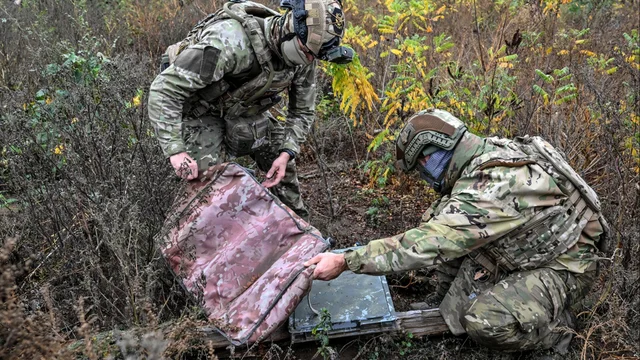
Musk Ordered Satellite Internet Slowdown That Ukraine Says Hampered Its Defenses
Reports that Elon Musk ordered restrictions on Ukraine's military satellite internet have raised concern over a service described as essential to its operations against Russia.
60 sources · over 5 days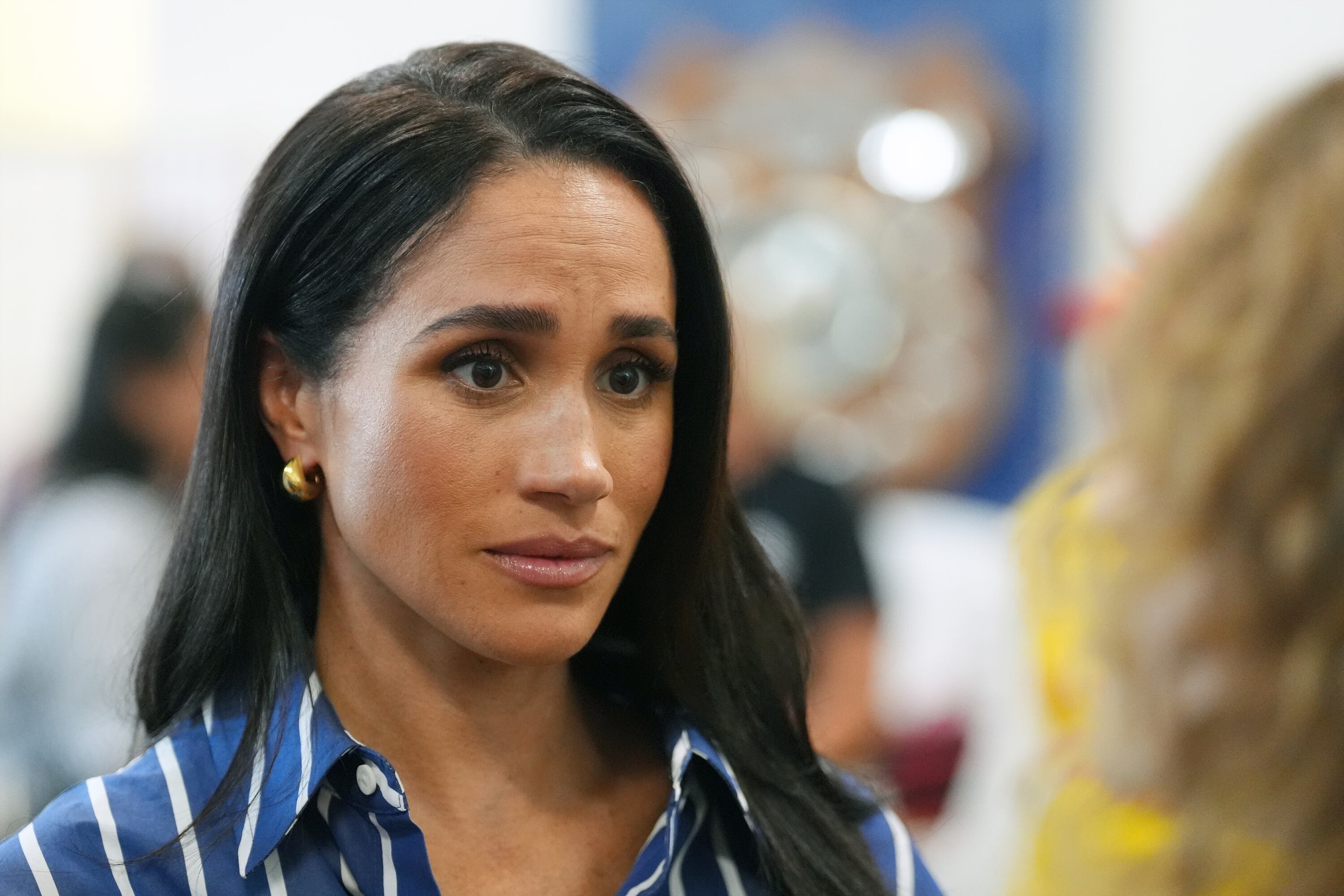
Thomas Markle Investigated in Philippines as UK Police Probe 2018 Letter
Meghan Markle says a 2018 letter containing allegations about her father influenced her decision to keep her children away from him, while Scotland Yard investigates reports about the letter.
44 sources · over 2 days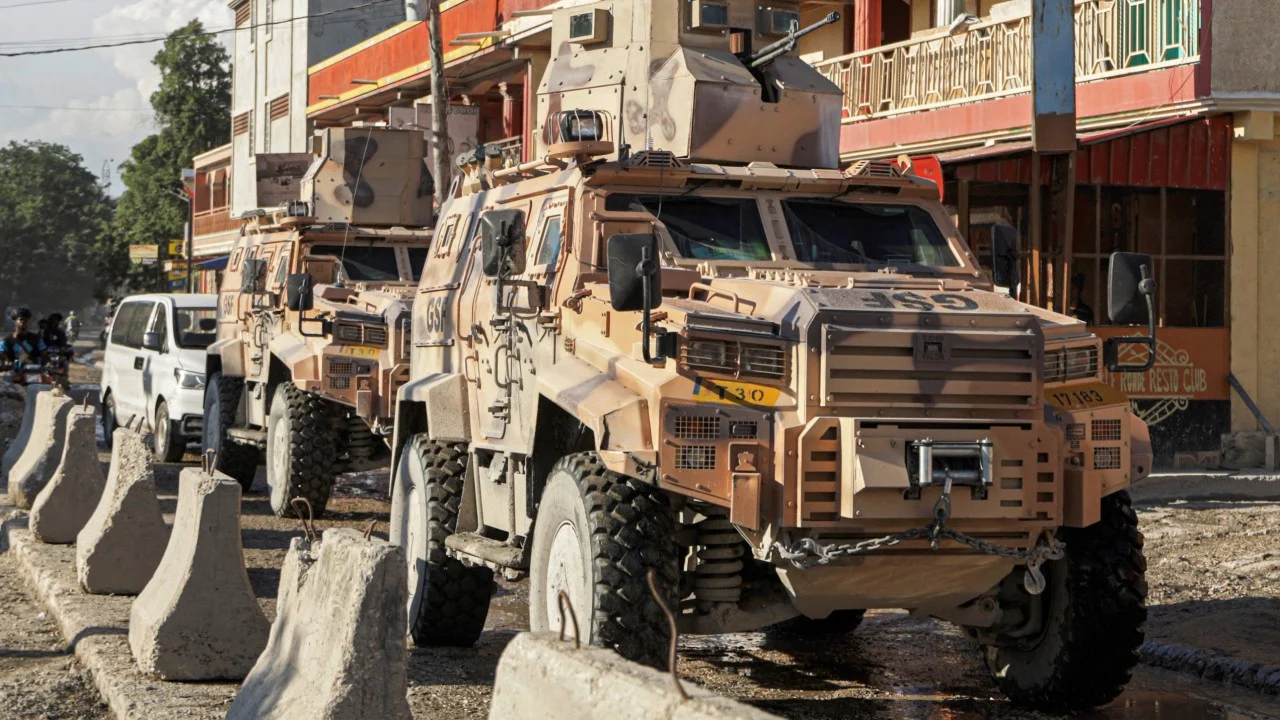
El Salvador Sends Special Forces to Haiti After Four Soldiers Abducted
The deployment escalates efforts to recover four Salvadoran military personnel held by Haitian gangs, as President Nayib Bukele threatens stronger action and reports suggest efforts to establish contact.
16 sources · over 6 days