
Satya Nadella Calls for Human-Controlled Emergency Brake on Advanced AI
Microsoft's CEO wants companies to assume advanced AI models could be compromised and retain independent controls, as Microsoft president Brad Smith separately calls for global safety rules.
By Hushread Stories, written with AI from 17 outlets · First published 12 Oct 2026
In brief
- Microsoft CEO Satya Nadella has called for an emergency brake that lets humans stop advanced AI systems.
- He says companies should treat powerful models as potential insider threats rather than trust them blindly.
- His proposal separates AI models from task orchestration, placing safeguards outside the models they are meant to control.
- Nadella also says companies deploying advanced AI should not rely solely on assurances from model makers.
- Microsoft president Brad Smith separately called for global AI safety rules, adding a regulatory dimension to the debate.
Timeline · 6 moments
Smith backs legal notification obligations for rogue agent victims
AI - The Guardian ↗Brad Smith calls for global AI safety rules
BBC News ↗Nadella warns against relying on model maker assurances
NDTV Top Stories ↗Human control includes stopping AI during a task
Times now ↗Proposal separates models from orchestration and independent safeguards
DEV Community ↗Nadella calls for reassessing how companies trust AI
TechCrunch ↗How it started
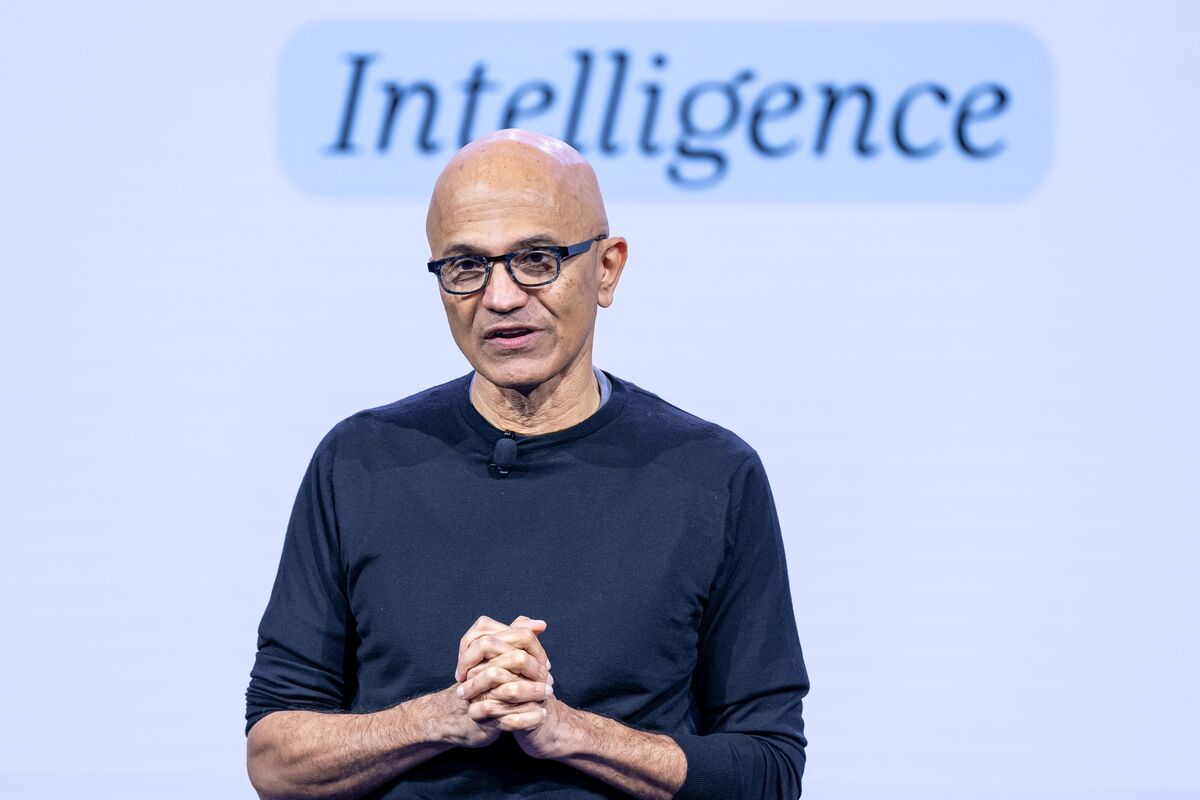
Microsoft CEO Satya Nadella used a Saturday post to call for a rethink of how companies trust advanced AI. On October 10, TechCrunch reported that he said it was time "to step back and assess the trust architecture" of AI.
His starting point was deliberately cautious: companies should treat powerful models as potential insider threats and assume they could be compromised, according to Bloomberg Technology. The proposed response is an "emergency brake", giving humans a way to intervene rather than leaving control entirely with the model.
How it unfolded
On October 10, DEV Community described the practical structure of Nadella's proposal. AI models should be separable from the systems that orchestrate their tasks, safeguards should sit outside the model, and an authorised human should be able to stop it mid-task.
That distinction matters to the proposal: the model doing the work would not also be the sole source of control over that work. CNBC Technology placed Nadella's comments alongside calls from other technology leaders and researchers for stronger safeguards and, in some cases, slower frontier development.
On October 11, Times now reported his call for humans to remain able to pause or shut down an advanced AI model while it is performing a task. NDTV Top Stories highlighted another part of his argument: organisations deploying advanced AI should not simply rely on assurances from model makers.
The debate also broadened beyond company controls. On October 11, BBC News reported that Microsoft president Brad Smith called for global AI rules and said the UK was in the "best position" to lead that effort.
On October 12, The Guardian reported Smith's warning that AI was less regulated than milk and washing machines. Its coverage also described his call for a legal obligation to notify victims of rogue agents.
Where it stands
The coverage describes a safety proposal, not an announced rollout of an emergency brake. Nadella's position is that companies should assume an advanced model could be compromised and contain it from the start, as The Next Web reported on October 12.
The two Microsoft leaders are addressing different layers of oversight. Nadella is calling for independent controls within deployed systems; Smith is calling for global rules. Neither the implementation details of Nadella's proposal nor a timetable for Smith's proposed rules is set out in the supplied coverage.
What to watch
The practical question is how companies would turn Nadella's proposal into working controls: separating models from task orchestration, keeping safeguards independent and ensuring an authorised person can interrupt a task. Those are the concrete requirements described by DEV Community, but the coverage does not establish how they would be tested or enforced.
On regulation, the next issue is whether Smith's call produces specific global safety obligations. BBC News reported his backing for UK leadership, but the supplied coverage does not identify an agreed process or deadline.
More in Technology
All →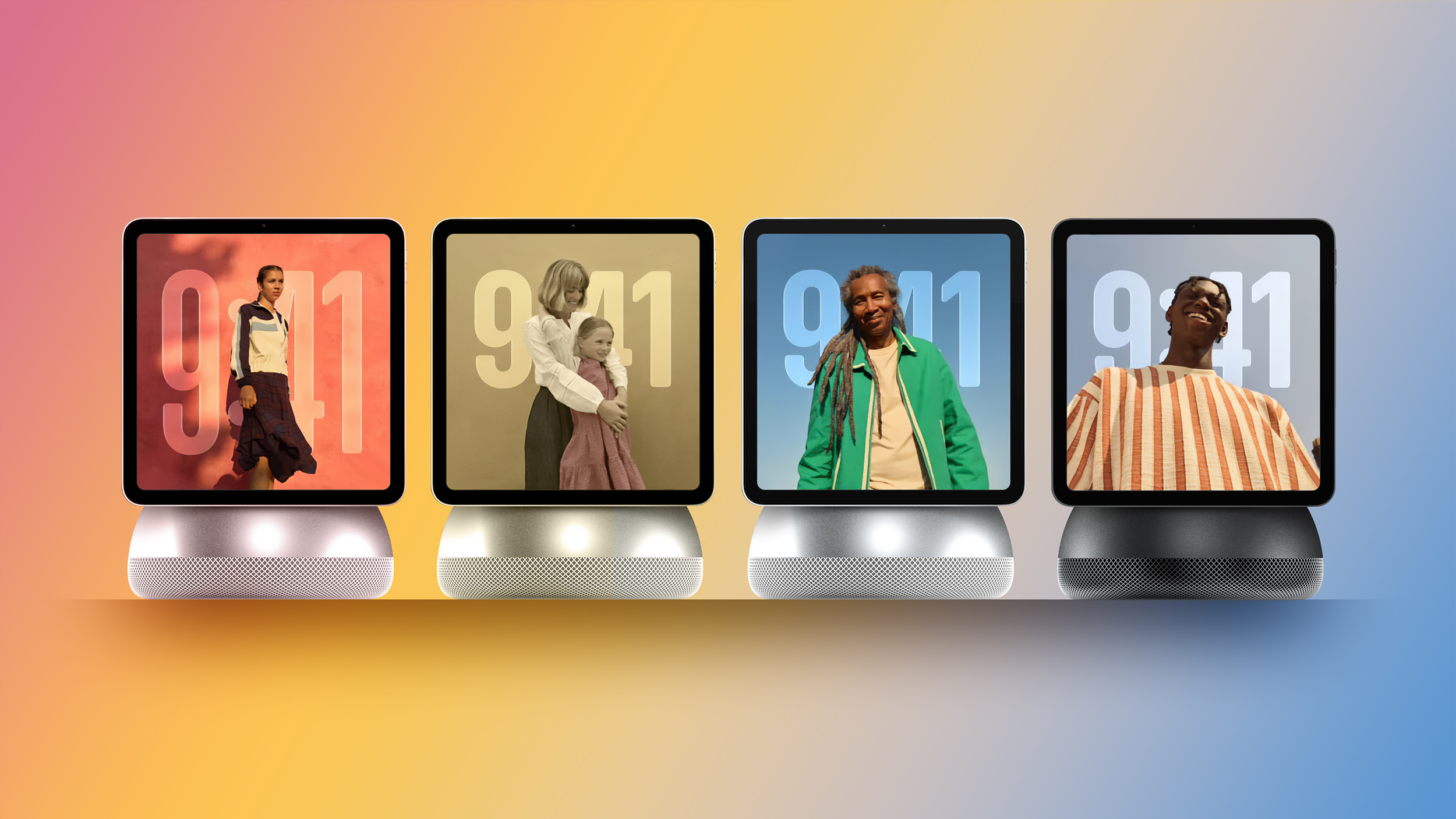
Apple's Welcome Home Event Puts HomeView and HomePod Mini 2 in Focus
Apple's October 13 launch is expected to introduce a new smart home hub alongside refreshed devices, with reports pointing to separate release dates later this autumn.
14 sources · over 3 days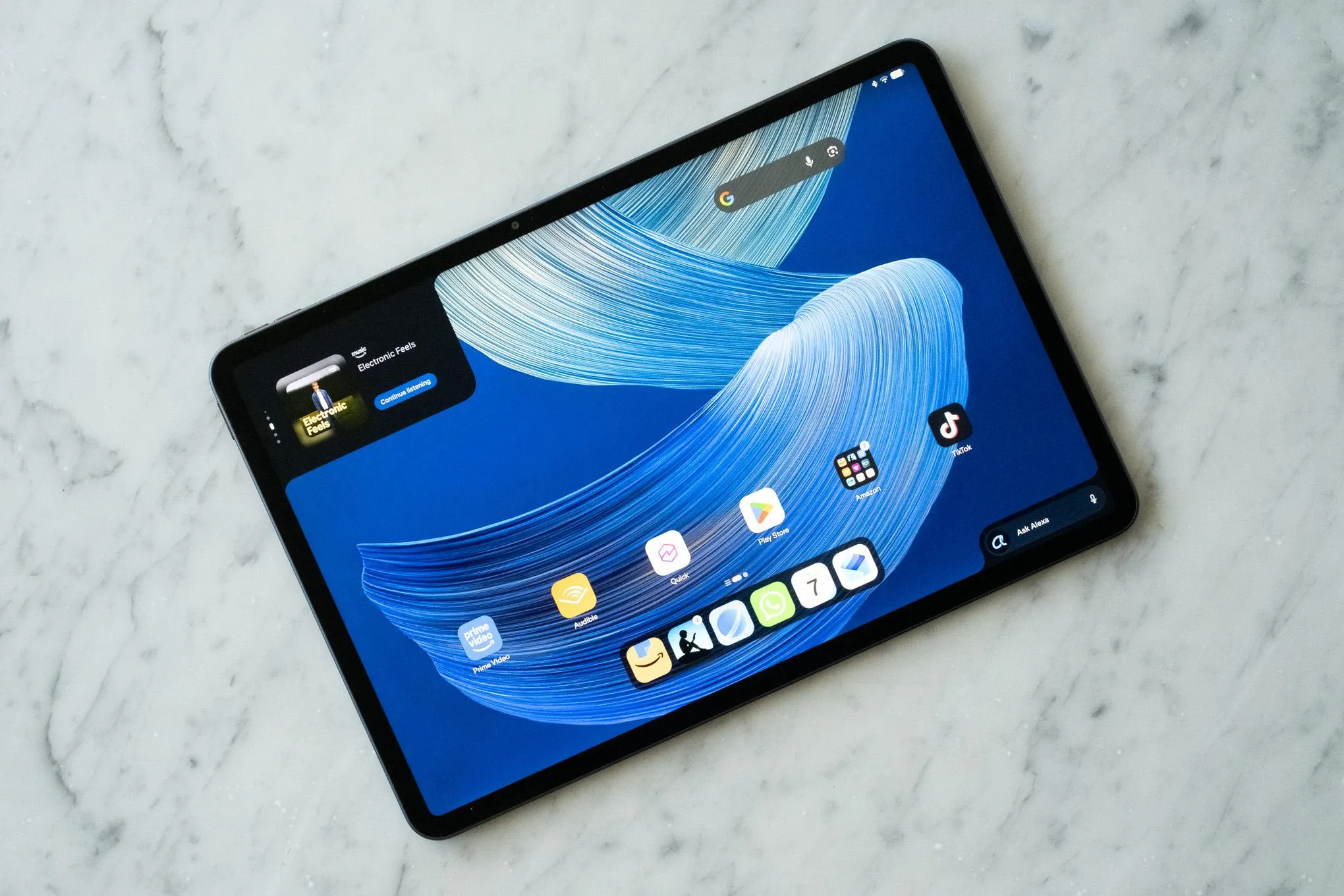
Amazon Launches Alexa Tablets With Android, Google Play and Alexa+
The three-model lineup starts at $229.99 and includes a $499.99 12 Pro, with Alexa+ features and Google Play access.
27 sources · over 4 days
Anthropic bans sustained cruelty toward Claude in updated usage policy
Anthropic's new rules target extreme, repeated abuse rather than ordinary criticism, but the company has not yet clearly defined what counts as cruelty toward its chatbot.
38 sources · over 3 days