
Saxony-Anhalt Faces Pivotal Election as Far-Right AfD Leads Polls
As voters in Saxony-Anhalt head to the polls, the far-right AfD could achieve an unprecedented state-level victory, raising concerns about coalition options and Germany's political future.
By Hushread Stories, written with AI from 13 outlets · First published 6 Sept 2026
In brief
- The state election in Saxony-Anhalt has drawn intense national and international attention due to the AfD's lead in polls.
- About 1.7 million people are eligible to vote, with high turnout expected amid a polarized political atmosphere.
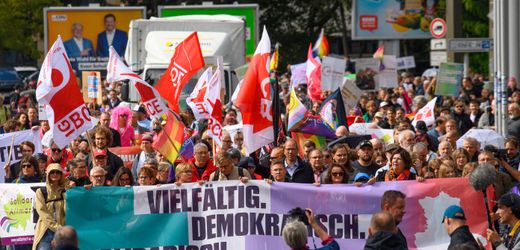
- Thousands have rallied in Magdeburg in support of democracy and against the rise of far-right influence.
- Polls show the AfD could win either an outright majority or become the largest party in the state parliament.
- Uncertainty remains about coalition possibilities and the broader impact on Germany if the AfD enters government.
Timeline · 7 moments
AfD maintains strong lead as polls close
Deutsche Welle ↗Voting begins in Saxony-Anhalt state election
Al Jazeera ↗About 1.7 million voters called to cast ballots
Deutschlandfunk - Fortlaufende Nachrichten vom 24. August 2026 ↗Experts warn of economic risks if AfD wins
DER SPIEGEL - Schlagzeilen – Tops ↗AfD draws large crowds at final campaign event in Magdeburg
Euronews ↗Thousands rally for democracy in Magdeburg ahead of election
DER SPIEGEL - Schlagzeilen – Tops ↗AfD seen as possible winner with absolute majority
Deutsche Welle ↗How it started
Saxony-Anhalt, a state in eastern Germany, has long been considered a political bellwether, with the Christian Democrats (CDU) leading the government for over two decades. In recent years, however, the far-right Alternative for Germany (AfD) party has gained significant ground, fueled by economic concerns and debates over immigration.
As the 2026 state election approached, opinion polls began to show the AfD pulling ahead of traditional parties. This raised fears among many residents and observers that the region could soon see the first far-right government in a German state since World War II.
How it unfolded
On September 4, reports emerged that the AfD had a realistic chance of securing an absolute majority in the state parliament, a result that would allow them to govern alone if other parties failed to cross the electoral threshold. Campaigning intensified, with parties vying for undecided voters and smaller parties hoping to play the role of kingmakers.
In the days leading up to the vote, thousands of people gathered in Magdeburg, the state capital, for rallies supporting democracy and a pluralistic society. Civil society groups organized protests and festivals, while the AfD staged a large campaign event, drawing supporters and media attention.
AfD's lead candidate, Ulrich Siegmund, became a focal point of the campaign, hailed by supporters as a figure for change. At the same time, experts and business leaders began warning of potential economic fallout if the AfD took power, expressing concerns that a far-right government could deter skilled workers and investors.
On September 6, voters headed to the polls amid high tension and uncertainty. The election was widely seen as a test of how far the far-right could go in Germany's political system and what alliances might be required to form a government.
Where it stands
The vote count is underway, with around 1.7 million eligible voters participating. Early indications confirm the AfD is leading, but it is still unclear whether they will secure an outright majority or need to seek coalition partners. The outcome will determine the next government in Saxony-Anhalt and could set a precedent for other regions.
There are significant concerns among economic experts and civil society groups about the possible long-term effects of an AfD-led administration. The election's result could influence national politics and Germany's approach to both domestic and European issues.
What to watch
The main questions now are whether the AfD will govern alone or if coalition talks will be necessary. Observers are watching closely to see how other parties respond and whether any will consider cooperation with the AfD. The broader impact on Germany's political landscape and the reaction from both domestic and international actors will also be important in the days to come.
More in Politics
All →
Lula and Flávio Bolsonaro Take Brazil's Election Fight From Debate to Court
Days before Brazil's October 25 runoff, the rivals are seeking each other's disqualification after a bitter televised debate, while polls show a closely contested race.
36 sources · over 7 days
Ramaswamy's Campaign Makes Amy Acton Ad and Plans $4 Million Buy
Vivek Ramaswamy confirmed his campaign produced the attack ad featuring Amy Acton's estranged mother and plans to spend $4 million airing it.
27 sources · over 4 days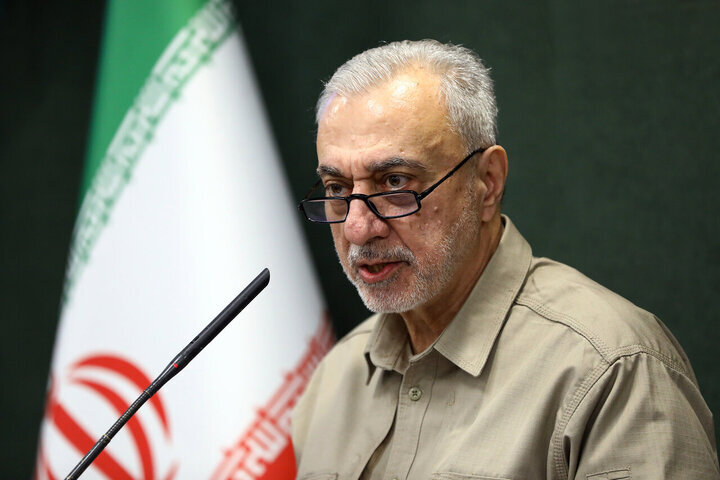
Iran's Parliament Approves Mehrdad Akhlaghi Ketabchi as New Defense Minister
The parliamentary vote confirms a veteran defense industry official as minister after his predecessor's killing, with Akhlaghi already addressing military capabilities and issuing warnings to the United States.
22 sources · over 5 days