
Saxony-Anhalt State Election Sees Far-Right AfD Poised for Historic Gains
With the Alternative for Germany party leading polls in Saxony-Anhalt, the state could see its first far-right government since World War Two, raising concerns about policy shifts and coalition options.
By Hushread Stories, written with AI from 16 outlets · First published 5 Sept 2026
In brief
- The far-right AfD is leading polls ahead of Saxony-Anhalt's state election, with some surveys predicting over 40 percent of the vote.
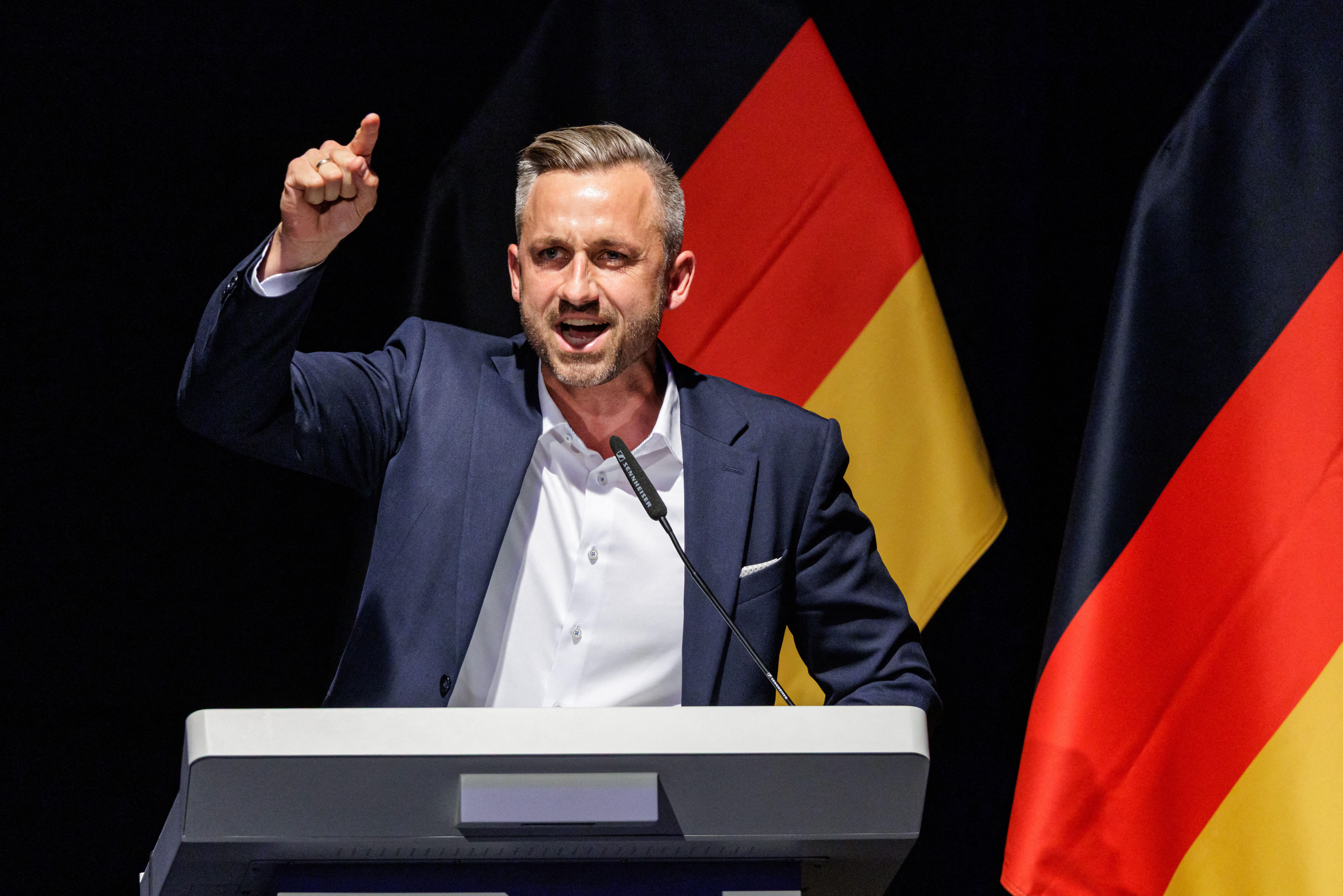
- AfD candidate Ulrich Siegmund has ruled out any coalition, stating he will only govern with an absolute majority.
- Mainstream parties like the CDU have publicly refused to form a coalition with the AfD or the Left party.
- The campaign has included debates about the state's economy, immigration, and warnings about the AfD's radical agenda.
- Observers are watching closely to see if the AfD can win outright and what alliances might form if it falls short.
Timeline · 7 moments
Rallies and last campaign events held before election day
DIE ZEIT | Nachrichten, News, Hintergründe und Debatten ↗Democratic groups express fear of isolation if AfD wins
Deutschlandfunk - Fortlaufende Nachrichten vom 24. August 2026 ↗Polls predict AfD could secure over 40 percent of the vote
Financial Times World ↗AfD accuses authorities of possible election fraud
DER SPIEGEL - Schlagzeilen – Tops ↗Debate intensifies over Saxony-Anhalt's economic challenges
Deutsche Welle ↗AfD's rise sparks concern about first far-right governor
NPR News ↗AfD candidate Siegmund rules out coalition government
ARD Tagesschau ↗How it started
Saxony-Anhalt, a state in eastern Germany, has long been considered a stronghold for the far-right Alternative for Germany (AfD). Over the past years, dissatisfaction with the region's economic development and national politics has fueled support for the party.
As the September 2026 state election approached, polls began to show the AfD pulling ahead. The party's campaign has focused on themes of economic neglect, opposition to asylum policy, and a promise to shake up the political status quo.
How it unfolded
In the weeks leading to the election, AfD's lead in the polls became a central story. On September 4, 2026, reports highlighted that the party was predicted to secure more than 40 percent of the vote, a historic high for the far right in this region.
AfD candidate Ulrich Siegmund publicly stated he would only serve as Minister President if his party achieved an absolute majority, ruling out any coalition government. Meanwhile, the CDU, the state's traditional governing party, ruled out forming a coalition with either the AfD or the Left party, narrowing the options for government formation.
The campaign was marked by heated debates about the state's economy and the AfD's claims that Saxony-Anhalt has been left behind. Other parties and public figures, including prominent Greens and the Minister President of Baden-Württemberg, campaigned to mobilize their bases and warn against the AfD's policies.
Some AfD leaders raised suspicions about possible election fraud, calling for close monitoring of the vote, especially around mail-in ballots. This rhetoric was seen as a move to preemptively explain a potential electoral loss.
Democratic initiatives in the state have expressed fear about being left isolated if the AfD wins, highlighting concerns about civil society and anti-extremist work.
Where it stands
On the eve of the election, the AfD leads the polls and could potentially form the first far-right state government in Germany since the Second World War. Other major parties remain firm in their refusal to partner with the AfD, making an outright majority the only path for the party to govern.
The atmosphere is tense, with demonstrations and rallies taking place across Saxony-Anhalt, and observers both inside and outside Germany closely watching the outcome.
What to watch
The key question is whether the AfD will secure an outright majority or fall just short. If the party does not reach this threshold, coalition negotiations among the remaining parties will become critical, as mainstream groups seek to prevent an AfD-led government. The results will also test how the rest of Germany responds to a possible far-right breakthrough at the state level.
More in Politics
All →
Lula and Flávio Bolsonaro Take Brazil's Election Fight From Debate to Court
Days before Brazil's October 25 runoff, the rivals are seeking each other's disqualification after a bitter televised debate, while polls show a closely contested race.
36 sources · over 7 days
Ramaswamy's Campaign Makes Amy Acton Ad and Plans $4 Million Buy
Vivek Ramaswamy confirmed his campaign produced the attack ad featuring Amy Acton's estranged mother and plans to spend $4 million airing it.
27 sources · over 4 days
Iran's Parliament Approves Mehrdad Akhlaghi Ketabchi as New Defense Minister
The parliamentary vote confirms a veteran defense industry official as minister after his predecessor's killing, with Akhlaghi already addressing military capabilities and issuing warnings to the United States.
22 sources · over 5 days