
Senate Passes Bipartisan Permitting Bill 62-33, Sending Data Center Power Costs Provision to House
The Senate has approved a sweeping permitting overhaul that would speed energy and infrastructure projects and make data centers pay more for power, but its path through the House is uncertain.
By Hushread Stories, from 8 outlets · First published 20 Nov 2026
In brief
- The Senate passed the Bipartisan American Affordability and Jobs Act on Thursday night, November 20, 2026, by a vote of 62-33.
- The bill aims to cut permitting timelines for power plants, transmission lines, pipelines, wind farms and other energy and infrastructure projects.
- A novel provision would force data centers to pay much more for the power they use, potentially billions of dollars.
- Seventy-three senators had backed a key procedural vote earlier in the week, signalling broad bipartisan support before final passage.
- The bill now moves to the House, where outlets say it faces hurdles before it could become law.
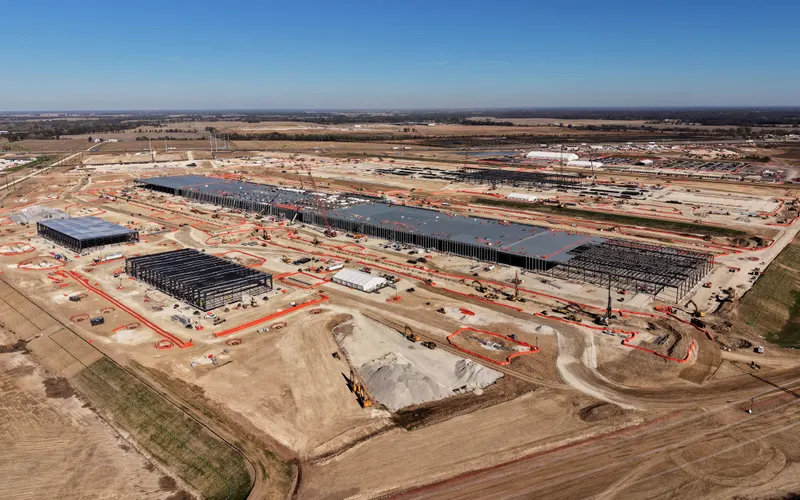
Timeline · 6 moments
Bill would overhaul environmental laws but faces House hurdles
NYT > Science ↗Senate passes permitting bill 62-33, sends it to House
NBC News ↗Senate takes further key votes advancing the bill
The Hill ↗Senate Republicans advance bipartisan permitting package
The Hill ↗73 senators clear procedural hurdle on permitting bill
The Hill ↗Report says permitting bill would charge data centers billions
NYT > Science ↗How it started
The story broke into public view on November 16, 2026, when The New York Times reported that a congressional permitting bill could make it easier to build data centers for artificial intelligence, while also carrying a novel provision that would force those same data centers to pay much more for power.
The framing caught attention beyond the usual permitting crowd. A r/politics thread sharing the Times piece described the plan as one that would charge data centers billions in a sweeping energy package.
The bill itself is the Bipartisan American Affordability and Jobs Act, a long-negotiated effort to streamline federal permitting for major energy and infrastructure projects.
How it unfolded
The same day, The Hill reported that 73 senators had cleared a major procedural hurdle for the bill, moving the long-negotiated package closer to passage before the end of the current Congress. Its opinion headline urged the chamber to finish the job.
On November 17, The Hill reported in its live updates that Senate Republicans took a major step toward advancing the package. The outlet noted that bipartisan agreement on the need to streamline federal permitting had been building.
By Wednesday, November 18, The Hill said the Senate had taken a series of key votes advancing the bill, which seeks to speed up the country's ability to build infrastructure and energy.
Final passage came Thursday night, November 20. NBC News and The Hill both reported the vote at 62-33. Axios called it a Trump-backed bill and said the whole energy industry had been watching, while CBS News described it as a long-sought bipartisan breakthrough aimed at cutting costs by speeding up projects.
Where it stands
The bill has cleared the Senate and now goes to the House. The Hill called the vote a massive step toward the bill becoming law, though not the last one.
As The Associated Press described it, the legislation is aimed at speeding permitting reviews for power plants, transmission lines and other energy infrastructure, while making data centers pay for their energy use. The New York Times said the bill would overhaul federal environmental laws to make it easier to build everything from gas pipelines to wind farms, and noted it faces hurdles in the House.
What to watch
The main open question is the House. The coverage does not lay out a schedule or say how House leaders plan to handle the Senate text, only that obstacles exist. The Hill earlier framed the goal as passage before the end of the current Congress, which puts a clock on the effort.
The data center cost provision is also worth following. Reporting so far describes it as novel and potentially worth billions, so any changes to it in the House would matter to the AI and energy sectors that, according to a r/technology post, have backed the bill.
More in Politics
All →
Mary Peltola Wins Alaska Senate Seat, Giving Democrats a 56-44 Majority
Peltola's defeat of Republican incumbent Dan Sullivan settles the last open Senate race of the midterms, and hands Democrats their ninth Senate flip, the most in nearly 70 years.
56 sources · over 8 days
White House Withdraws Heidi Overton's FDA Nomination as Senate Support Fails to Materialize
With Overton's nomination pulled before a Senate vote, the Trump administration has no confirmed pick to lead the Food and Drug Administration and must find a new candidate who can win enough votes.
23 sources · over 11 days
Trump, Xi and Putin Issue Peace Declaration at Shenzhen Summit, No Breakthroughs
The first three-way summit produced a symbolic four-point declaration and a nuclear-risk dialogue, but no concrete disarmament or Ukraine deal.
132 sources · over 9 days