
Super El Niño raises Pacific seas as UN warns of unprecedented strength
New forecasts point to exceptional Pacific warming through January, while Peru reports damage to crops, water reserves and fishing, and the UN releases funding for vulnerable countries.
By Hushread Stories, written with AI from 18 outlets · First published 22 Oct 2026
In brief
- The United Nations warns that the current El Niño could reach unprecedented strength toward the end of this year.
- Tropical Pacific sea surface temperatures could reach 3.8 degrees Celsius above average between November 2026 and January 2027.
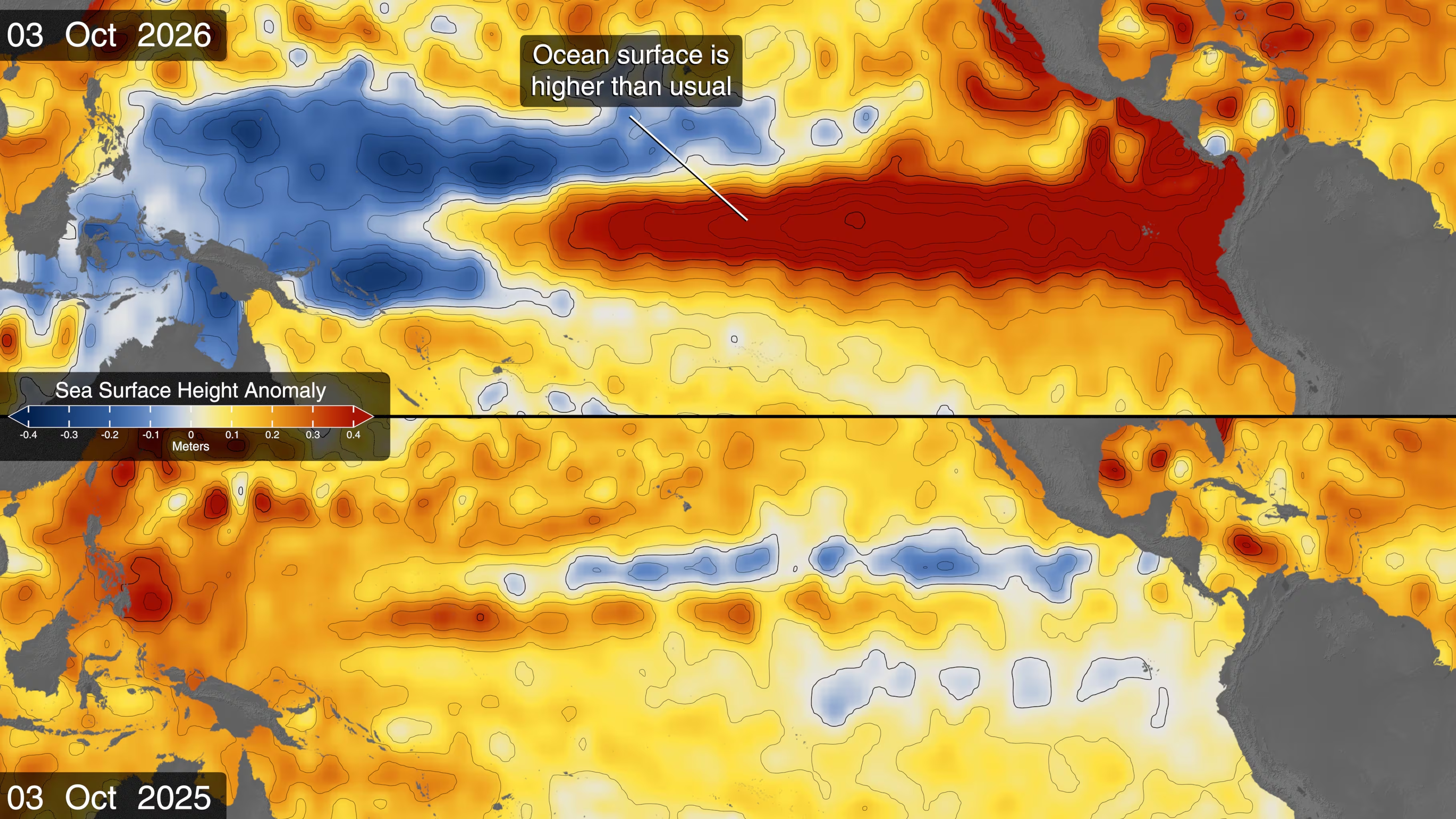
- Sea levels have already risen by 40 centimetres in parts of the eastern Pacific, increasing coastal flooding risks.
- Peru reports early impacts on agriculture, water reserves and industrial fishing, with extraordinary coastal conditions potentially lasting through January.
- The United Nations has released $50 million for 11 frontline countries and called for urgent preparation beyond humanitarian agencies.
Timeline · 7 moments
WMO projects Pacific temperatures 3.8 degrees above average
The Hindu ↗UN releases emergency funding for 11 frontline countries
Euronews ↗Peru forecasts extraordinary coastal El Niño through January
Infobae ↗Ecuador rain affects thousands as Peru funds prevention
Perfil.com ↗Peru reports impacts on crops, water and fishing
Infobae ↗Satellites reveal reduced phytoplankton in equatorial Pacific waters
Perfil.com ↗Eastern Pacific sea levels rise by 40 centimetres
New Scientist ↗How it started
The warning signs are visible from space. Satellites tracking the equatorial Pacific are monitoring changes in sea height and temperature as a potentially exceptional El Niño develops, Infobae reported on October 19.
The warming is already changing conditions along the ocean. According to New Scientist, sea levels in part of the eastern Pacific have risen by 40 centimetres, with further strengthening potentially bringing coastal flooding from Alaska to Chile.
There are changes beneath the surface, too. Satellite observations show reduced phytoplankton in sectors of the equatorial Pacific, Perfil.com reported. Changes in nutrient availability could affect food supplies for fish, birds and marine mammals.
How it unfolded
On October 20, the impacts on Peru's economy and water supplies came into sharper focus. Giacomo Morote, spokesperson for the Marina de Guerra del Perú, warned of early effects on agriculture, water reserves and industrial fishing, according to Infobae.
That same day, Perfil.com reported that heavy rain had affected more than 23,000 people in Ecuador, while Peru had announced investments worth millions to prevent disasters.
On October 21, Peru's Comisión Multisectorial Encargada del Estudio Nacional del Fenómeno El Niño updated its outlook. It said the coastal El Niño could retain extraordinary intensity until January 2027, Infobae reported.
The warnings also widened internationally on October 21. The UN said the event could be the strongest on record and released $50 million for 11 frontline countries, including Chad and Somalia, according to Euronews. Its aid chief warned that the humanitarian system could not cope alone.
On October 22, The Hindu reported a more specific forecast from the World Meteorological Organization: tropical Pacific sea surface temperatures could rise to 3.8 degrees Celsius above average during November 2026 to January 2027.
Where it stands
The central warning remains a forecast, not a final measurement of this event's strength. The UN expects El Niño could peak toward the end of the year at unprecedented intensity, according to CNN Brasil.
Reports use different historical comparisons. DER SPIEGEL described a possible event stronger than any in 40 years, or worse, while Euronews reported the UN's warning that it could be the strongest on record. Neither amounts to a confirmed final ranking.
For Latin America and the Caribbean, the concern extends beyond immediate weather damage. Drought could put pressure on food inflation and economic growth, elEconomista.es reported. In Peru, the reported effects on crops, water reserves and fishing are already present.
What to watch
The key period is November through January, when the World Meteorological Organization projects the tropical Pacific temperature anomaly could reach 3.8 degrees Celsius, according to The Hindu. Peru's separate coastal outlook also extends extraordinary conditions through January, Infobae reported.
Preparation is the immediate test. The UN has called for urgent anticipatory action, according to ABC, while its initial funding covers 11 frontline countries, Euronews reported. The open question is how far protective measures can reduce damage before the expected peak.
More in Environment
All →
Storm Austen brings wind and flood warnings to UK and Ireland
Warnings have intensified ahead of Storm Austen, with gusts of up to 80mph forecast in southwest England and intense rain in Ireland before another storm arrives this weekend.
11 sources · over 4 days
UK government approves drilling at Jackdaw gas field in North Sea
The decision ends months of uncertainty over the project off Scotland, reopening a dispute over gas extraction, household energy bills and the government's climate commitments.
21 sources · over 2 days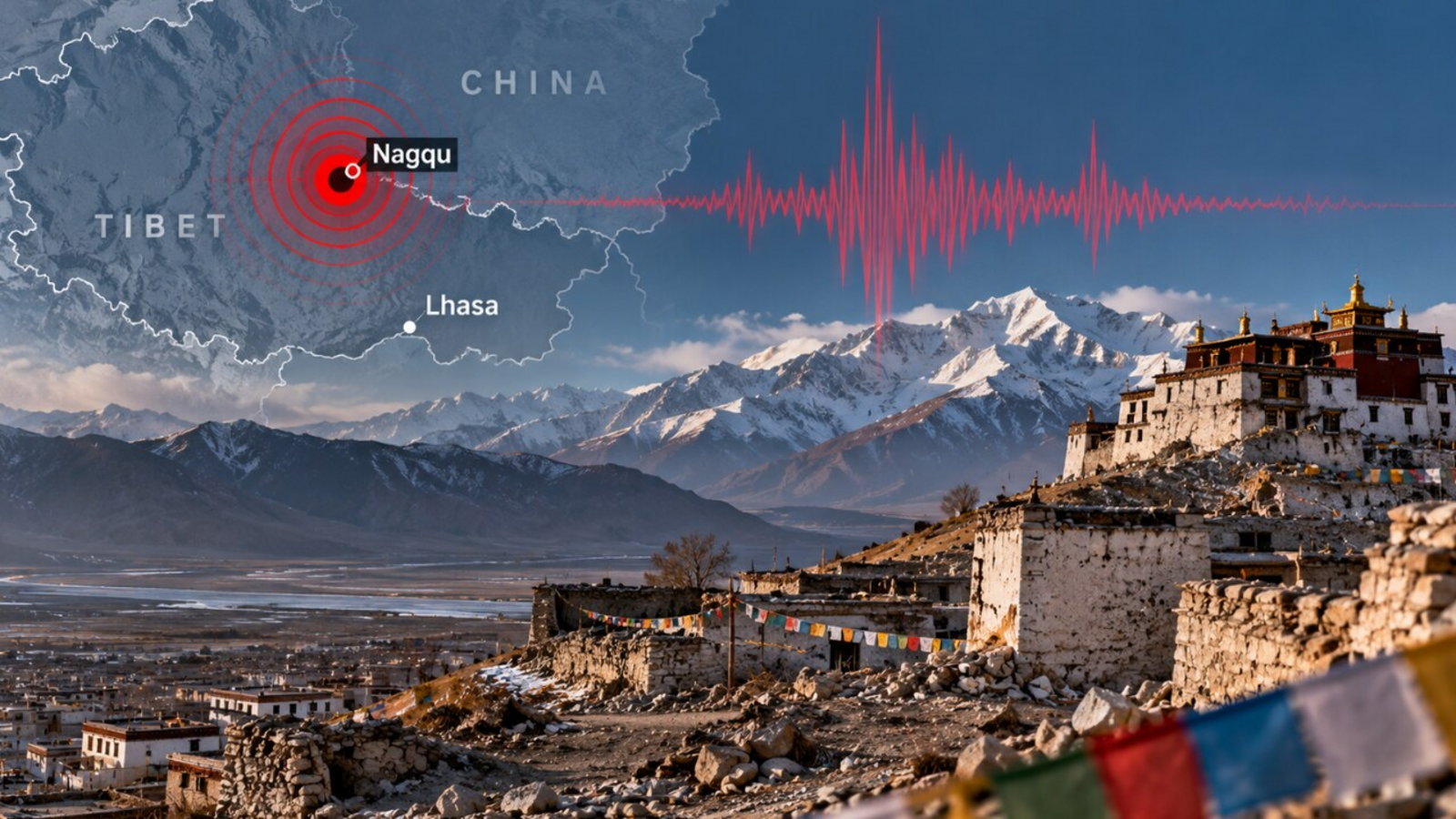
Magnitude 7 Earthquake Strikes Northern Tibet, With Damage Still Unclear
A magnitude 7 earthquake struck northern Tibet on October 22, with no immediate reports of casualties or damage and its epicentre recorded at a depth of about 10 kilometres.
11 sources · today