
Supreme Court Agrees to Review Federal Ban on Home Distilling
The justices will examine Congress's authority to prohibit distilling spirits in private homes after a lower court panel declared restrictions dating to the 1860s unconstitutional.
By Hushread Stories, written with AI from 8 outlets · First published 19 Oct 2026
In brief
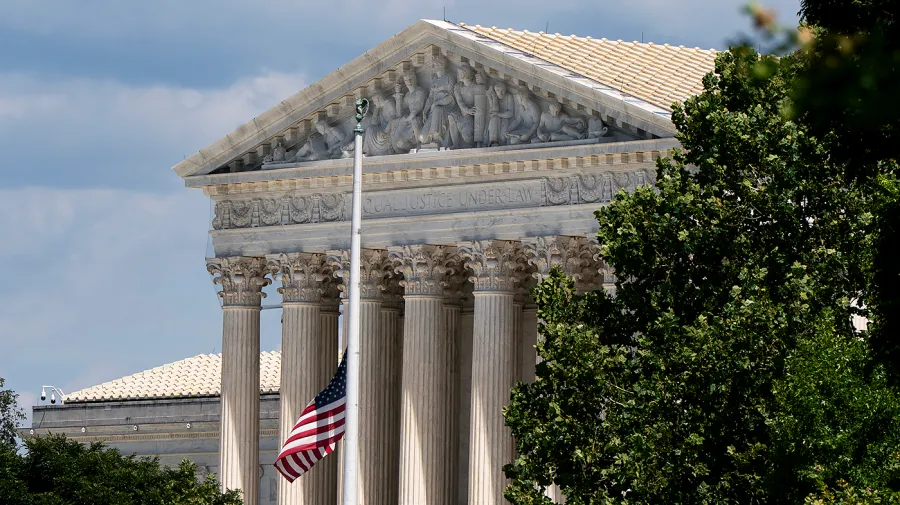
- The Supreme Court agreed Monday to review the constitutionality of the federal ban on distilling spirits at home.
- The prohibition dates to the Reconstruction era, with challengers identifying the law as having been enacted in 1868.
- A lower court panel declared the restrictions unconstitutional before the Supreme Court agreed to take the case.
- Americans can legally brew beer and make wine at home, but federal law treats home distilling differently.
- The review will address whether Congress had constitutional authority to impose the prohibition on distilling in private homes.
Timeline · 1 moments
Supreme Court agrees to review home distilling prohibition
Associated Press ↗How it started
The dispute concerns a federal prohibition on distilling spirits in private homes that dates to the Reconstruction era. Challengers describe the 1868 law as an antiquated relic of that period's politics, according to The Independent.
The restriction creates a distinction between homemade spirits and other alcoholic drinks. Americans can legally brew beer or make wine at home, Axios reported, while home distilling remains subject to the federal prohibition.
How it unfolded
The challenge reached the Supreme Court after a lower court panel declared the restrictions unconstitutional, according to The Hill. That ruling put the scope of the government's power to prohibit home distilling before the justices.
On October 19, 2026, the Supreme Court agreed to consider whether Congress had constitutional authority to impose the ban, the Associated Press reported. The announcement accepts the dispute for review; it does not resolve the constitutional question.
Reason identified the case as Department of Justice v. McNutt and described it as a Necessary and Proper Clause case. That places congressional authority at the center of the dispute, rather than simply the age or popularity of the restriction.
Where it stands
The Supreme Court has agreed to review the prohibition, not issued a decision on its constitutionality. As NBC News reported, the justices will consider whether to strike down the longstanding federal ban on distilling spirits at home.
What to watch
The central question is whether Congress had the constitutional authority to ban distilling spirits in private homes, according to the Associated Press. The court's answer will determine whether that federal prohibition survives the challenge.
More in World
All →
Israeli Settlers Attack Farmers, Journalist and European Diplomats in West Bank
Israeli police arrested ten suspects over settler attacks on Washington Post photographer Heidi Levine and European diplomats in the West Bank.
49 sources · over 6 days
French Protests Leave Widespread Damage, With More Than 2,500 Arrested
Macron rejected Interior Minister Laurent Nuñez's resignation offer as authorities responded to weekend violence with calls for limited local curfews.
84 sources · over 11 days
Trump cancels planned livestream of Nidal Hasan's firing squad execution
The execution remains scheduled for December 3, but President Donald Trump has abandoned its public broadcast after objections from religious leaders, lawmakers and international officials.
67 sources · over 8 days