
Supreme Court Allows Trump's $400 Million White House Ballroom to Proceed
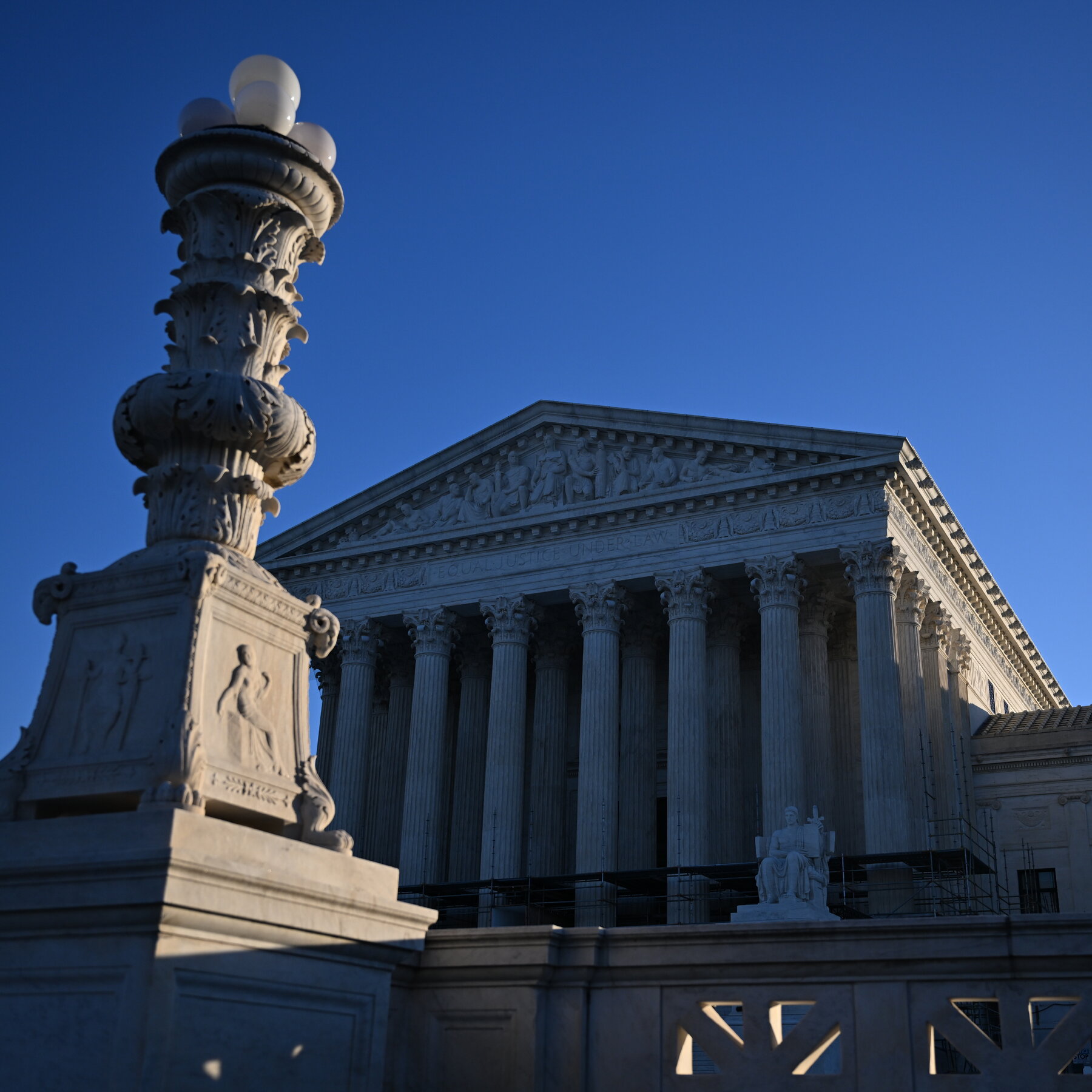
The U.S. Supreme Court has ruled, in a narrow and controversial decision, that construction on President Donald Trump's large White House ballroom can continue while legal questions about its approval remain unresolved.
By Hushread Stories, from 42 outlets · First published 31 Aug 2026
In brief
- The U.S. Supreme Court ruled 5-4 to allow construction of Trump's $400 million White House ballroom to continue.
- Construction can proceed despite ongoing legal challenges regarding congressional approval and historic preservation concerns.
- The project aims to replace part of the East Wing with a 90,000-square-foot ballroom, potentially completed by August 2028.
- Chief Justice John Roberts dissented, calling the project 'likely unlawful' and warning against bypassing Congress.
- Ongoing lower court cases will determine the legality of the ballroom's construction and the president's authority over federal property.
Timeline · 4 moments
Supreme Court: Trump darf Ballsaal im Weißen Haus vorerst weiterbauen
ARD Tagesschau ↗Supreme Court Hands Trump a Win in Ballroom Plans
TIME.com ↗Supreme Court allows Trump's ballroom to proceed
Axios ↗Supreme Court greenlights White House ballroom construction
ABC News ↗How it started
The idea for a new White House ballroom was launched by President Donald Trump during his administration. The proposed project would replace part of the East Wing with a 90,000-square-foot ballroom, with costs estimated at $400 million, according to Expressen and The New York Times.
From the start, the plan sparked controversy. Critics, including preservation groups and some lawmakers, argued that such a significant alteration to the historic White House required approval from Congress. A lower federal court agreed, ruling that construction should be paused until these legal questions could be resolved, as reported by The New York Times.
Supporters of the project, including those within the Trump administration, argued that the new ballroom would serve important ceremonial and security purposes and was a fitting legacy project.
How it unfolded
On August 31, 2026, the Supreme Court stepped in after a lower court had halted the project. The legal fight centered on whether the executive branch could proceed without congressional approval, and whether the groups challenging the project had the legal standing to sue.
The Supreme Court's decision was split 5-4, with the conservative majority allowing construction to continue. Chief Justice John Roberts, joined by the court's liberal justices, strongly dissented. Roberts called the project 'likely unlawful' and warned that bypassing Congress undermined the separation of powers (Politico, The Independent, The Hill).
Despite the ongoing lawsuit over historic preservation and funding, the Supreme Court's emergency ruling cleared away the last immediate legal obstacle. Media outlets noted that the decision means the ballroom will likely be nearly finished before other courts can revisit the issue (ABC News, CNBC International).
Trump and his allies celebrated the decision as a major win, while critics pointed to the precedent it sets for executive authority over federal property and spending (TIME.com, The Atlantic).
Where it stands
As of early September 2026, construction on the White House ballroom is moving forward. The Supreme Court's ruling specifically allows work to continue while broader legal challenges are still unresolved. Several outlets report that the structure could be completed as soon as August 2028 (DIE ZEIT, ARD Tagesschau).
The legal fight is not over, but for now, the Trump administration's project faces no further immediate roadblocks. The case has drawn national attention for its constitutional implications and the scale of the White House changes.
What to watch
The next phase will be determined by ongoing lower court cases, which still need to resolve whether the ballroom's construction is truly legal without congressional approval. Key questions remain about the president's authority to fund and direct major changes to the White House without legislative oversight.
Observers are also watching for possible congressional action or new lawsuits, especially if construction nears completion before a final legal decision.
More in Politics
All →
Trump Backs Ramaswamy Ad as Ohio Governor Calls for Its Removal
An attack ad featuring Amy Acton's estranged mother has split Republicans, with President Donald Trump defending it as Ohio Gov. Mike DeWine urges its removal before November's election.
36 sources · over 5 days
Milei's Madrid Visit Sparks Sánchez Clash as Argentine Opposition Seeks Unity
Javier Milei's attacks on Pedro Sánchez turned his Madrid visit into a political confrontation, while Argentina's opposition moved toward a common congressional strategy ahead of the 2027 elections.
13 sources · over 6 days
Lula and Flávio Bolsonaro Take Brazil's Election Fight From Debate to Court
Days before Brazil's October 25 runoff, the rivals are seeking each other's disqualification after a bitter televised debate, while polls show a closely contested race.
37 sources · over 8 days