
Supreme Court Opens New Term With High-Stakes Climate Change Lawsuit
The US Supreme Court is hearing a major case that could determine if energy companies are liable for climate change damages, a decision with sweeping implications for environmental policy and corporate accountability.
By Hushread Stories, written with AI from 13 outlets · First published 5 Oct 2026
In brief
- The Supreme Court heard arguments on the first day of its new term in a climate lawsuit involving Boulder County and the city of Boulder.
- Boulder County and the city of Boulder are seeking to hold energy companies accountable for the effects of global climate change.
- Energy companies are asking the Supreme Court to block climate lawsuits from proceeding in state courts.
- Eight of the nine justices heard arguments as the court considered the energy companies' bid.
- The case raises questions of jurisdiction in lawsuits seeking to hold oil companies liable for climate change.
Timeline · 8 moments
Supreme Court hears arguments in Boulder climate case
CBS Top Stories ↗Justices hear oil companies' bid to block climate lawsuit
The Hill ↗Major environmental lawsuit marks start of Supreme Court term
NYT Politics ↗Supreme Court hears arguments in blockbuster climate case
NPR News ↗Justices return to hear arguments in Boulder lawsuit
NBC News ↗Supreme Court opens term with major climate case
Bloomberg ↗Energy companies seek to block Boulder climate suit
CBS Top Stories ↗Supreme Court prepares to hear Boulder climate lawsuit
NYT Climate ↗Update 6 Oct 2026, 9:03 am UTC
The Supreme Court heard arguments on the first day of its new term, with eight of the nine justices participating, according to CBS Top Stories. The case involves Boulder County and the city of Boulder's effort to hold energy companies accountable for climate change's effects; the justices grappled with questions of jurisdiction, as The Washington Post reported.
Update 6 Oct 2026, 1:23 am UTC
The justices heard arguments on Monday and appeared divided over whether local governments can sue oil producers for climate-related harms, with the court searching for consensus, according to ABC News. The case remains the focus of the term-opening coverage, so the published headline still fits.
Update 5 Oct 2026, 7:18 pm UTC
The Supreme Court heard arguments Monday on oil companies' effort to block Boulder's climate lawsuits, and justices appeared skeptical of the request. The ruling could affect legal questions beyond climate cases, including issues raised in briefs about gun violence and defamation.
How it started
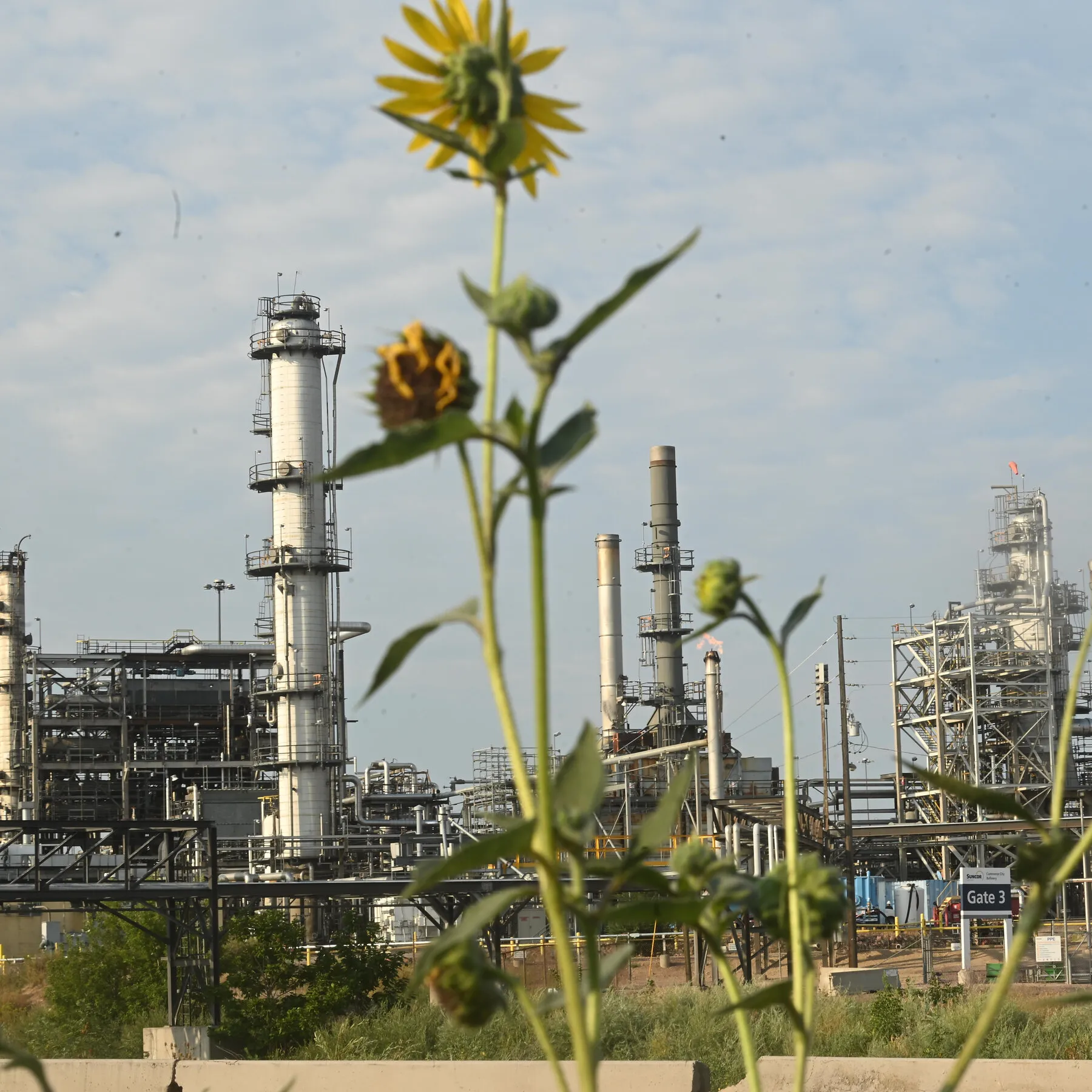
The roots of the current Supreme Court case trace back to lawsuits filed by local governments against major energy companies. In this instance, Boulder, Colorado, along with its county, initiated legal action against Exxon Mobil and Suncor Energy. They allege these companies contributed significantly to climate change, resulting in local damages such as wildfires and extreme weather.
The lawsuit is part of a broader push by cities and states to hold fossil fuel companies accountable for the costs of adapting to and recovering from climate impacts. The companies, however, have fought these cases, arguing that such issues should be addressed by federal policy, not in state courts.
How it unfolded
On October 4, 2026, several major outlets reported that the Supreme Court was preparing to hear arguments in this high-profile climate case as its new term began. The focus was on whether Boulder and similar plaintiffs could pursue state-law claims against oil companies for climate-related damages.
Coverage described how Exxon Mobil and Suncor Energy sought to block the lawsuit, contending that the claims should not be decided in state courts. The companies argue that climate change is a global issue, making it inappropriate for local jurisdictions to impose liability.
On October 5, the justices officially returned from their summer break and heard oral arguments in the Boulder case. Legal experts and observers noted that the outcome could influence dozens of similar lawsuits nationwide. The term opened with significant public attention, as the court also faces other major cases on guns, religious freedom, and issues involving President Trump.
The climate case stands out because it tests the boundaries of corporate accountability for environmental harms and could reshape how local governments address climate-related damages in the courts.
Where it stands
The Supreme Court has now heard arguments in the Boulder climate case, but a decision has not yet been issued. Both sides presented their positions, with local governments emphasizing the local harms of climate change and energy companies pushing back against state-level liability.
Legal analysts say the ruling, expected later in the term, could either open the door for more climate lawsuits against oil companies or set new limits on such claims. The outcome is being closely watched by environmental advocates, the energy industry, and other local governments considering similar legal action.
What to watch
The next step is for the Supreme Court to issue its decision, which could come in the coming months. The ruling will determine whether lawsuits like Boulder's can proceed in state courts and may influence the future strategy of both climate activists and the energy sector. Other cities and states with pending climate lawsuits are awaiting the outcome, as it could impact their cases as well.
More in Environment
All →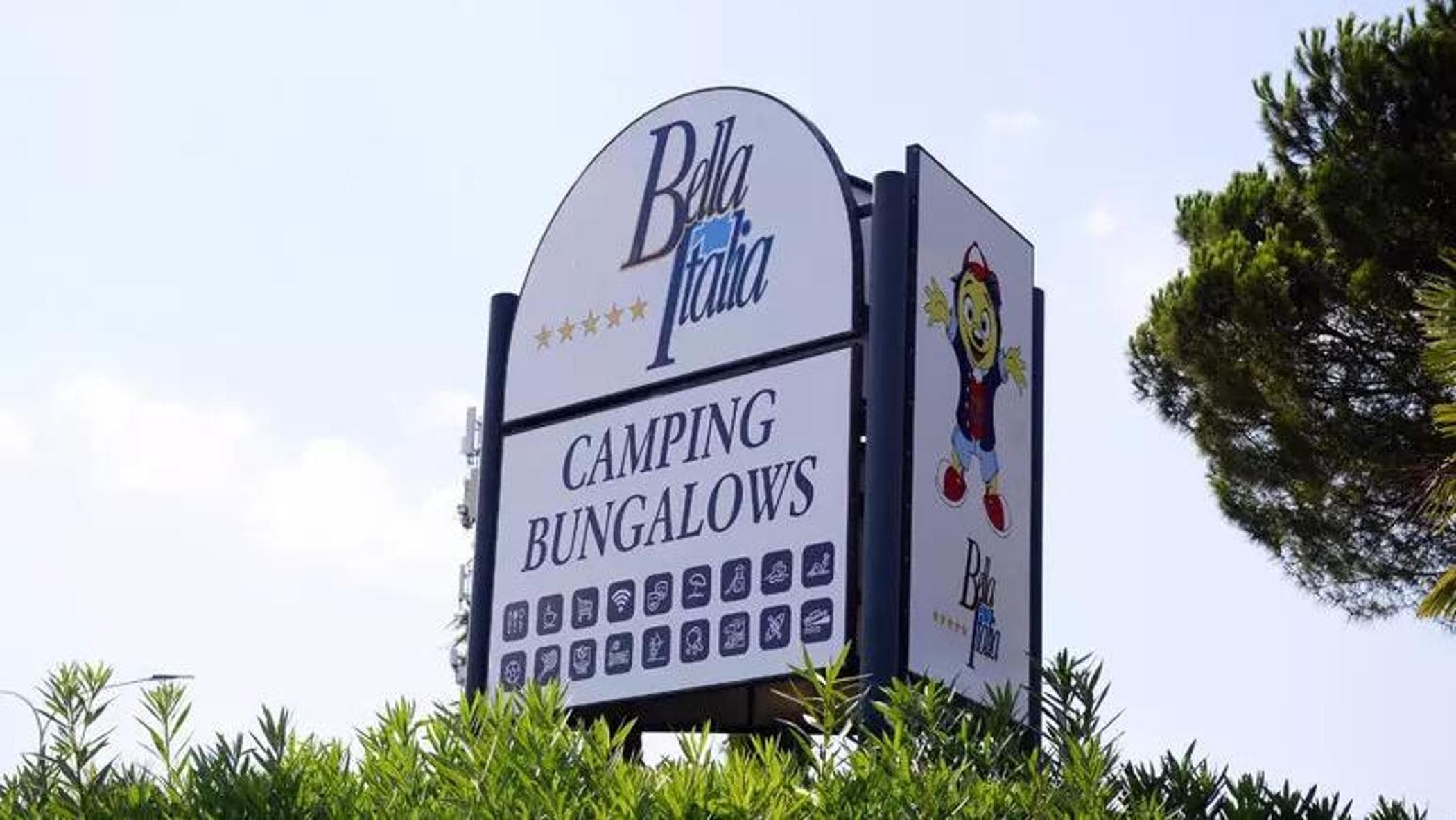
Fire at Bella Italia Camping Injures 24 in Peschiera del Garda
A major fire broke out early morning at the Bella Italia camping site in northern Italy, injuring 24 people and prompting a significant emergency response as authorities investigate the cause.
11 sources · over 2 days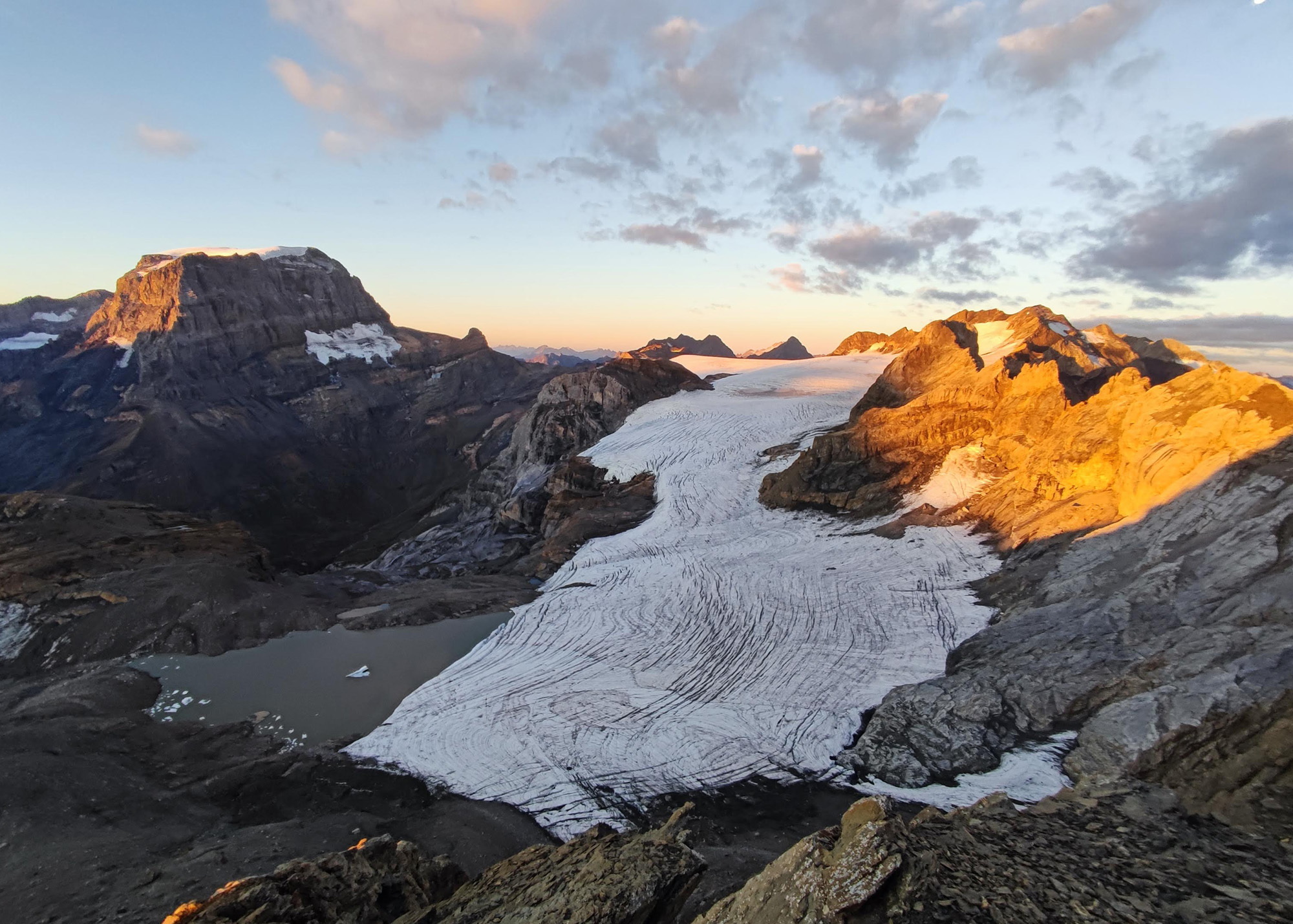
Swiss Glaciers Lose 5.5 Percent of Ice in 2026, Second-Highest on Record
Swiss glaciers lost 5.5 percent of their ice volume in 2026, marking another record-setting year for glacial retreat.
21 sources · over 4 days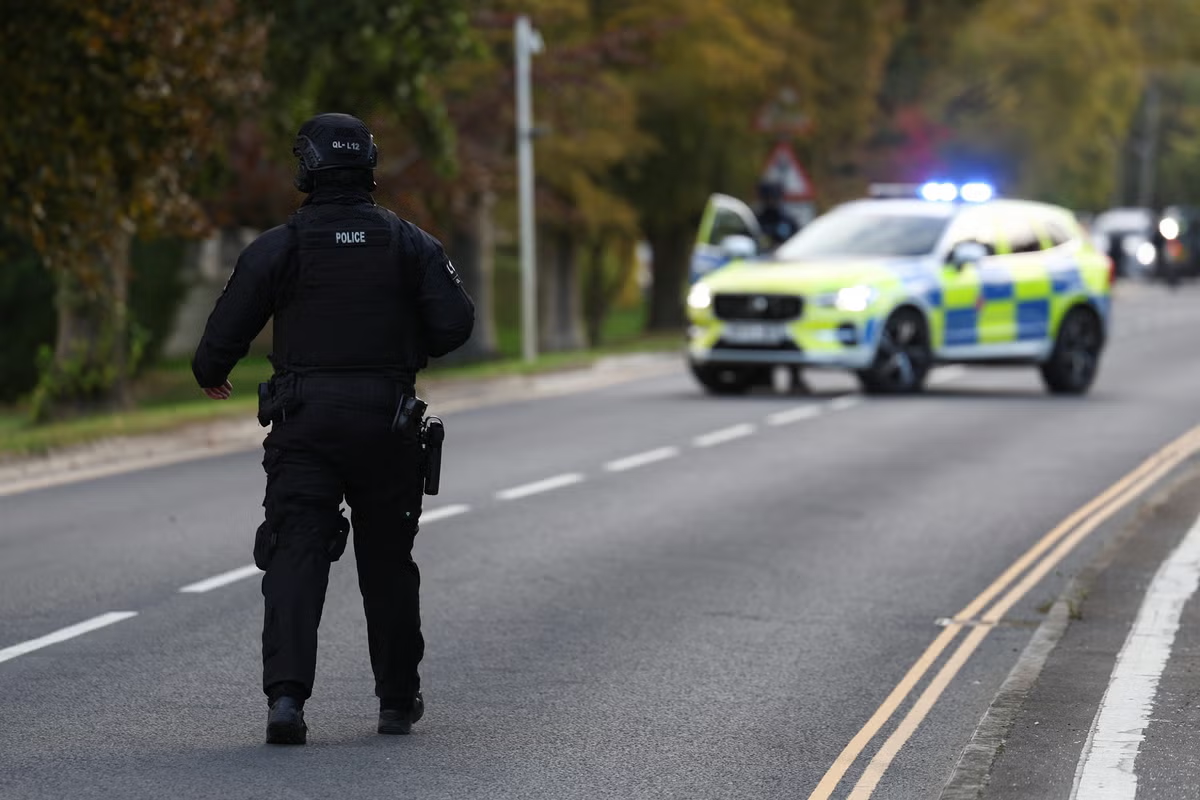
Sixth Arrest in RAF Fairford Terrorism Investigation, Suspect Released on Bail
A dual UK-Iranian national was arrested in London and later released on bail as police investigate the incident near RAF Fairford.
69 sources · over 7 days