
Syrian Court Sentences President Assad's Cousin Wassim to Death for War Crimes
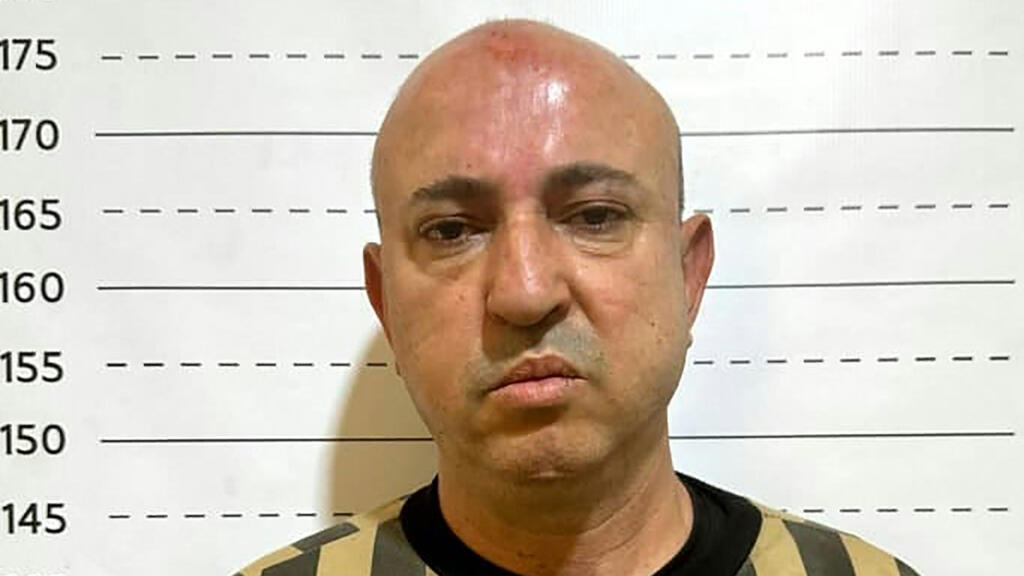
Wassim al-Assad, a cousin of President Bashar al-Assad, has been sentenced to death by a Damascus court for murder, torture, and war crimes, marking an unprecedented move by Syria's judiciary.
By Hushread Stories, written with AI from 9 outlets · First published 18 Aug 2026
In brief
- Wassim al-Assad, cousin of President Bashar al-Assad, was sentenced to death for war crimes on August 18, 2026.
- The Fourth Criminal Court in Damascus found him guilty of murder, torture, and crimes against humanity targeting civilians.
- This marks the first conviction of an Assad family member for serious crimes during Syria's ongoing civil war.
- Wassim remains detained, and it is unclear if the death sentence will be carried out or appealed.
- International observers are monitoring the case for implications on future prosecutions of regime insiders for war crimes.
Timeline · 4 moments
Death sentence for crimes against humanity
South China Morning Post ↗BBC: Wassim al-Assad captured near Syria-Lebanon border
BBC Türkçe ↗Fourth Criminal Court in Damascus issues death sentence
Proto Thema ↗Assad cousin sentenced to death for war crimes
BirGün ↗How it started
Wassim al-Assad, a cousin of Syrian President Bashar al-Assad, has long been linked to the inner circle of Syria's ruling family. During the country's civil war, various reports accused him of leading armed groups and participating in violence against civilians. According to Anadolu Ajansı and AFP, these allegations included murder, torture, and actions targeting civilians based on their religious background.
For years, members of the Assad family were seen as above the law, with little public legal scrutiny. That changed last year when Wassim al-Assad was reportedly captured near the Syria-Lebanon border, as BBC Türkçe noted. His arrest signaled a rare move by Syrian authorities to prosecute someone so closely related to the president.
How it unfolded
On August 18, 2026, multiple outlets reported that Wassim al-Assad was sentenced to death by the Fourth Criminal Court in Damascus. BirGün and Proto Thema described the charges as murder, torture, and crimes against humanity. The court found him guilty of forming armed groups that carried out mass killings, including targeting civilians for their religious identity, according to TABNAK and the South China Morning Post.
AFP reported that the acts were officially classified as war crimes and crimes against humanity. Anadolu Ajansı mentioned that this ruling followed previous decisions against other regime members, but outlets like Proto Thema highlighted that this is the first time a member of the Assad family has been tried and convicted for such serious crimes.
The court's decision comes at a time when Syria's government is under pressure to address longstanding accusations of atrocities during the conflict. Al Jazeera noted that similar rulings have been issued against other former regime figures, but none as prominent as Wassim al-Assad.
Details about the trial itself remain limited, but the verdict and the charges have been widely reported and confirmed by several international news agencies.
Where it stands
As of now, Wassim al-Assad remains detained in Syria following the death sentence. The ruling is a rare public move by the Syrian judiciary against a member of the Assad family, which has ruled Syria for decades. This decision has drawn international attention, given the high profile of the defendant and the severity of the crimes.
It is not yet clear if or when the sentence will be carried out, or if there will be further appeals or legal challenges. The case has raised questions about how the Syrian government will handle other alleged crimes by regime insiders.
What to watch
Observers will be watching closely to see if Wassim al-Assad's execution goes ahead, or if the sentence is reduced or commuted. There is also interest in whether this signals a broader willingness by the Syrian authorities to prosecute others linked to war crimes and abuses during the conflict.
More in World
All →
US Military Weighs Massive Bomb for Possible Strikes on Iran
Reported strike plans include Iranian energy and nuclear infrastructure, as President Donald Trump faces pressure to end the war, but the coverage establishes no decision to use the weapon.
36 sources · over 4 days
Muskan Rastogi and Sahil Shukla Sentenced to Death in Meerut
The blue drum murder verdict has brought death sentences for both defendants, while subsequent reporting concerns a separate Meerut killing involving a staged snakebite.
9 sources · over 4 days
Rubio Plans India Energy Talks and Visit to Reliance Refinery
A confirmed October 20 meeting with S. Jaishankar puts diplomacy alongside refinery and business discussions, as rising US diesel prices sharpen attention on energy cooperation.
18 sources · over 5 days