
Syrian Democratic Forces Disband as Kurdish Units Merge With Syrian Army
The dissolution of the Kurdish-led SDF and their integration into Syria's national military marks a major turning point for Kurdish autonomy and the future of security arrangements in northeastern Syria.
By Hushread Stories, written with AI from 23 outlets · First published 21 Aug 2026
In brief
- The Syrian Democratic Forces have officially dissolved and integrated into the Syrian Army as of August 25, 2026.
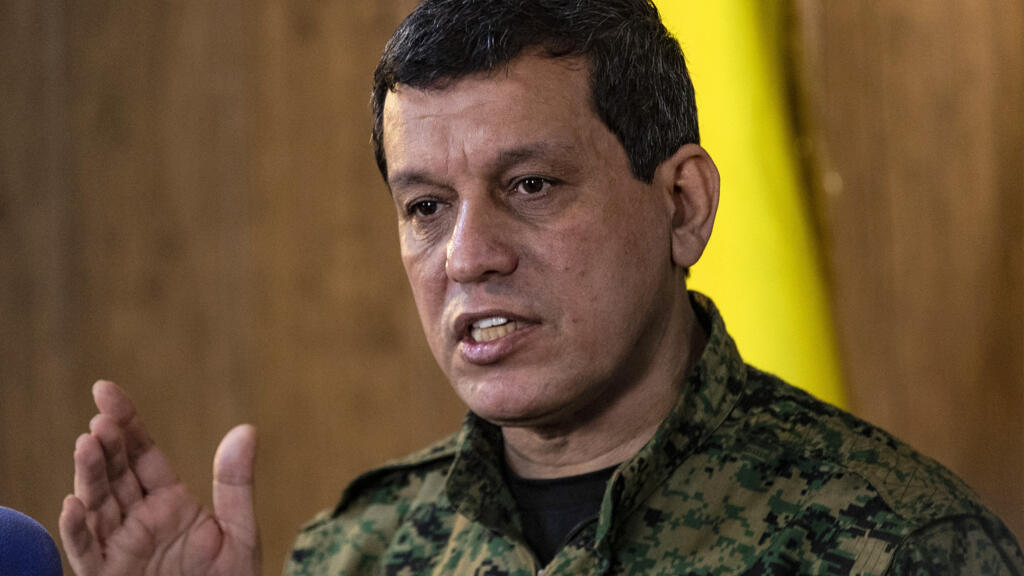
- SDF commander Mazlum Abdi confirmed the end of the group's independent structure during a press conference in Damascus.
- Various SDF brigades have begun merging with the Syrian Army, with integration processes ongoing in multiple regions.
- Former SDF leaders are taking on advisory roles within the Syrian government, including positions in parliament.
- Discussions about Kurdish rights and the fate of heavy weaponry are ongoing as the integration process continues.
Timeline · 7 moments
Mazlum Abdi appointed presidential adviser after SDF disbanded
Al Jazeera ↗Kurdish fighters work on inclusion of women's units
Middle East Eye ↗Integration of SDF units with Syrian Army underway
BirGün ↗Syrian Kurdish leader announces SDF dissolution after army integration
© Delil Souleiman, AFP (File) ↗SDF dissolves after deal with Syrian authorities
Middle East Eye ↗Mazlum Abdi announces dissolution of SDF in Damascus
الجزيرة نت: آخر أخبار اليوم حول العالم ↗SDF commander confirms end of independent structure
Deutsche Welle - Persian ↗How it started
The Syrian Democratic Forces (SDF) emerged in 2015 during the Syrian civil war, quickly establishing themselves as a key US-backed ally in the fight against ISIS. The group, led mainly by Kurdish commanders, controlled large swathes of northeastern Syria and developed its own military, security, and administrative institutions.
Despite military success, the SDF operated in a politically ambiguous situation. The central Syrian government in Damascus never formally recognized its autonomy. Over the years, tensions grew between the SDF, Turkey, and the Syrian state, especially as accusations of links to the PKK persisted. The group's future remained uncertain, particularly after the US reduced its involvement in Syria.
How it unfolded
By August 2026, negotiations between the SDF and the Syrian government had intensified. On August 21, Deutsche Welle - Persian reported that SDF commander Mazlum Abdi confirmed the end of the SDF's independent structure at an event in Qamishli. He described a process involving the merging of military, security, and administrative bodies into the state framework.
On August 25, several outlets including Al Jazeera and Middle East Eye reported that Mazlum Abdi publicly announced the dissolution of the SDF during a press conference in Damascus. This move followed an agreement with Syrian authorities, with the SDF to fully integrate into Syrian state institutions, including the army. The same day, AFP described this as a major shift for a group that had played a central role in defeating ISIS.
In the days that followed, reports from outlets like BirGün and BBC Türkçe detailed how various SDF brigades across Haseke, Kamışlı, and Derik completed their integration with the Syrian Army, while the process continued elsewhere. Middle East Eye highlighted that the integration agreement included provisions for Kurdish-language rights and the incorporation of women's units into the security forces.
By August 27, focus shifted to the political aftermath. BirGün and several international outlets confirmed that Mazlum Abdi was appointed as a senior adviser to Syrian President Ahmed al-Sharaa. Other SDF leaders, like İlham Ahmed, were reported to be taking roles in Syria's parliament.
Where it stands
The SDF no longer exists as an independent military force. Its fighters and institutions are being subsumed into the Syrian state, and the group's former leaders have assumed advisory and government roles. According to Al Jazeera and BBC Persian, the fate of issues like heavy weaponry and minority rights for Kurds is still being discussed, but the formal process of integration is underway.
This development signals a new chapter in Syria's internal politics, as the government asserts control over previously semi-autonomous Kurdish regions and incorporates former rivals into its structure.
What to watch
Key questions remain about how the integration will affect Kurdish cultural and political rights, the future of former SDF fighters, and the stability of areas that saw years of self-administration. The full details of power-sharing and the response from local populations and neighboring countries will shape Syria's next phase.
More in Politics
All →
Katie Zacharia Fired After Five Days Amid Questions Over Legal Credentials
Katie Zacharia's departure ends a brief tenure dominated by questions about her legal background and first briefing, after President Donald Trump publicly suggested she reconsider the job.
77 sources · over 5 days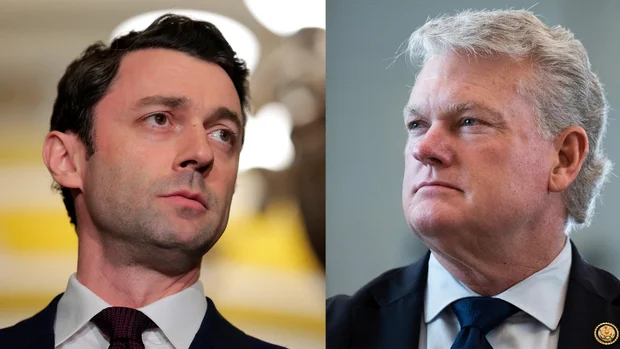
Jon Ossoff Rules Out 2028 Presidential Run in Georgia Senate Debate
The Georgia Democrat pledged to serve a full six-year Senate term if reelected, addressing presidential speculation as his November 3 contest against Republican Mike Collins approaches.
10 sources · over 3 days
Justice Department sues California over voter rolls, warns election workers
The federal government wants roughly 20,000 voters' mail ballots withheld from counting, and has warned California election officials of possible prosecution weeks before the midterms.
15 sources · over 4 days