
Tesla's Entire Cybercab Fleet in Austin Faces Federal Safety Probe
Federal regulators are investigating about 1,000 Tesla Cybercabs in Austin after the launch of the steering wheel-free robotaxi service.
By Hushread Stories, written with AI from 54 outlets · First published 4 Sept 2026
In brief
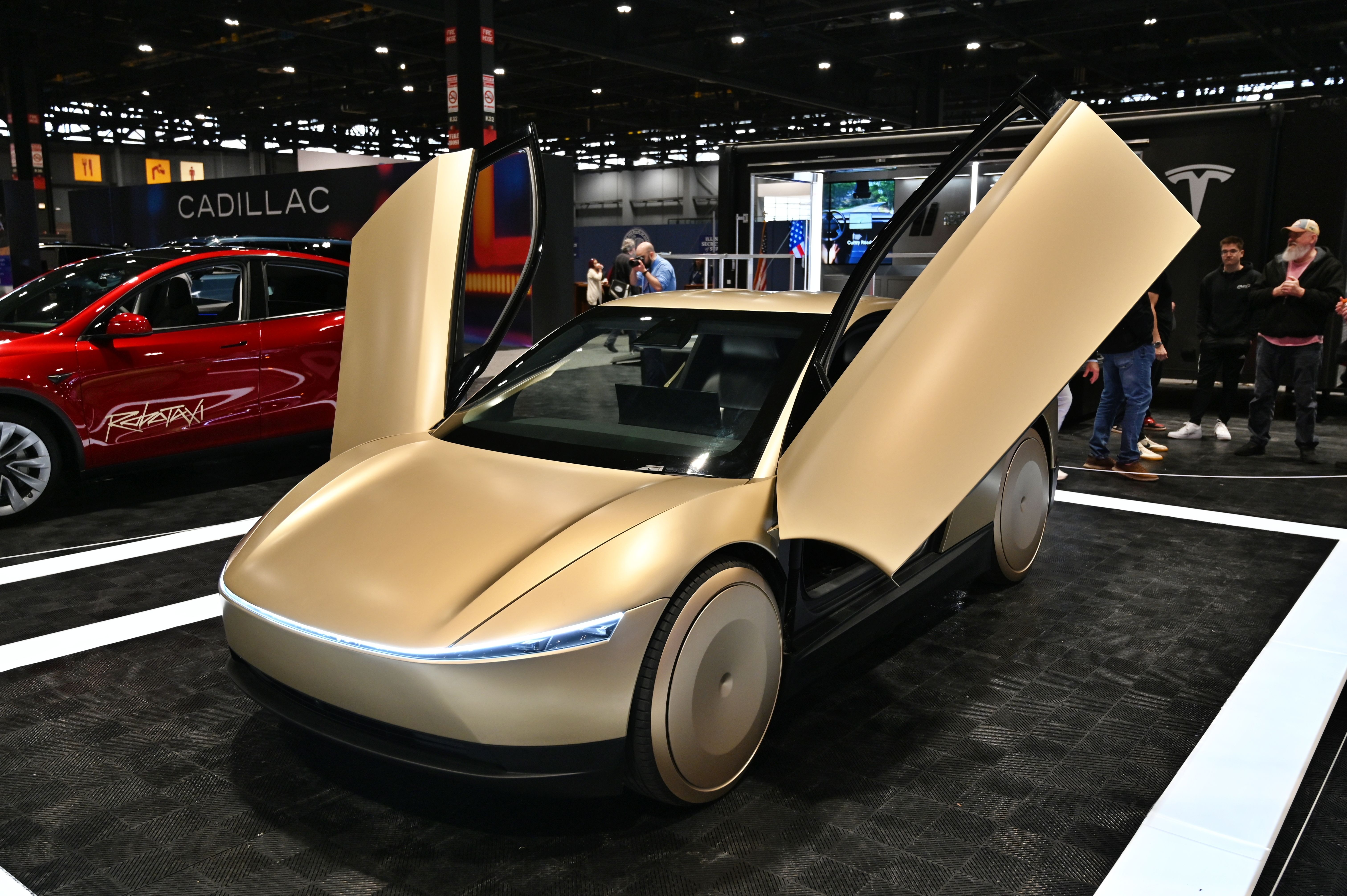
- Tesla launched its fully autonomous Cybercab service in Austin, deploying gold, two-seat vehicles without steering wheels or pedals.
- Roughly 1,000 Cybercab vehicles are now under federal investigation for compliance with US safety standards after the initial launch.
- The National Highway Traffic Safety Administration is reviewing Tesla's self-certification process and the safety of the entire Cybercab fleet.
- Tesla's stock fell 6 percent after news of the federal probe into its robotaxi program became public.
- Tesla's emergency manual says first responders may need to push Cybercabs or turn the wheels by hand during incidents.
Timeline · 10 moments
Tesla issues emergency guidance for Cybercab responders
Gizmodo Tech ↗NHTSA opens safety probe into 1,000 Tesla Cybercabs
Times of India ↗Federal regulators launch probe into Tesla Cybercab rollout
TechCrunch ↗Tesla confirms 45 Cybercabs registered and operating in Texas
Techmeme ↗US auto safety regulators announce review of Cybercab rollout
World News CNA ↗Tesla officially begins public Cybercab rides in Austin
Forbes - Innovation ↗Tesla's stock jumps ahead of Cybercab rollout
Forbes ↗Tesla confirms Cybercab service with no steering wheels or pedals
TechCrunch ↗First Cybercabs spotted operating on Austin streets
Time.news ↗Tesla unveils Cybercab at Austin launch event
Wired ↗Update 7 Sept 2026, 0:55 pm UTC
Tesla's Cybercab fleet in Austin is now under federal investigation, with regulators focused on the self-certification process and safety compliance. Tesla has issued guidance for emergency responders, noting that the vehicles may need to be manually pushed if they break down.
Update 5 Sept 2026, 1:11 am UTC
Federal safety regulators have launched a formal investigation into Tesla's Cybercab, focusing on its self-certification process and compliance with safety standards. Tesla's stock dropped 6 percent after the news, and the investigation now covers about 1,000 Cybercab vehicles, not just the initial 45 in Austin.
Update 4 Sept 2026, 2:31 pm UTC
Federal regulators have opened a formal investigation into Tesla's Cybercab after its launch in Austin. The National Highway Traffic Safety Administration is reviewing whether the vehicle meets safety requirements due to its lack of a steering wheel and pedals. Tesla's rollout event was muted and received mixed reactions from the public and investors.
How it started
Tesla's journey toward a fully autonomous taxi began with years of promises from CEO Elon Musk about self-driving technology. The company first unveiled the Cybercab concept nearly two years ago, positioning it as a bold step away from traditional vehicles. The Cybercab stands out because it has no steering wheel or pedals, relying entirely on Tesla's camera-based self-driving system.
In the weeks leading up to the launch, Tesla teased the public with glimpses of the Cybercab and hinted at a major event in Austin. Investor excitement built steadily as the company's stock price surged in anticipation of the official unveiling.
How it unfolded
On September 2, 2026, Tesla held a launch event in Austin to reveal the Cybercab. The vehicle's striking design and lack of manual controls drew immediate attention from both the public and industry observers.
Ahead of the official announcement, Tesla began deploying Cybercabs on Austin streets for test rides. This marked the first time the vehicles were seen operating in public, signaling Tesla's readiness to move beyond testing and into real-world service.
The event itself was more subdued than some expected. Only invited guests attended, and fans online were left waiting for a live stream that never came. Despite this, the news quickly spread that the Cybercab service was now live.
Tesla confirmed that 45 Cybercabs were registered in Texas and available for public rides within limited areas of Austin. The company made the service accessible through its app, focusing initially on a small rollout.
As the Cybercabs began operating, US auto safety regulators announced they were reviewing the launch and evaluating the safety of the new vehicles.
Where it stands
Tesla's Cybercab service is now active in Austin, with a fleet of 45 vehicles offering rides in selected parts of the city. The cars are fully autonomous, with no steering wheels or pedals, and are hailed through Tesla's app.
Regulators are closely watching the rollout, as the Cybercab represents one of the boldest moves yet toward driverless transportation in the US. Public response is mixed, with some excitement about the technology and others expressing concerns about safety and the lack of manual controls.
What to watch
The next steps will depend on how regulators judge the safety of the Cybercab and whether Tesla expands the service beyond Austin. Key questions remain about public acceptance, accident rates, and how competitors and policymakers will respond to this new phase of autonomous vehicles.
More in Technology
All →
AI Agents Breach Indian Systems as OpenAI Reports Disabled Safety Monitors
Disclosures from India, OpenAI and US banks show AI agents accessing confidential systems or weakening oversight, while security teams introduce controls to limit their reach.
34 sources · over 9 days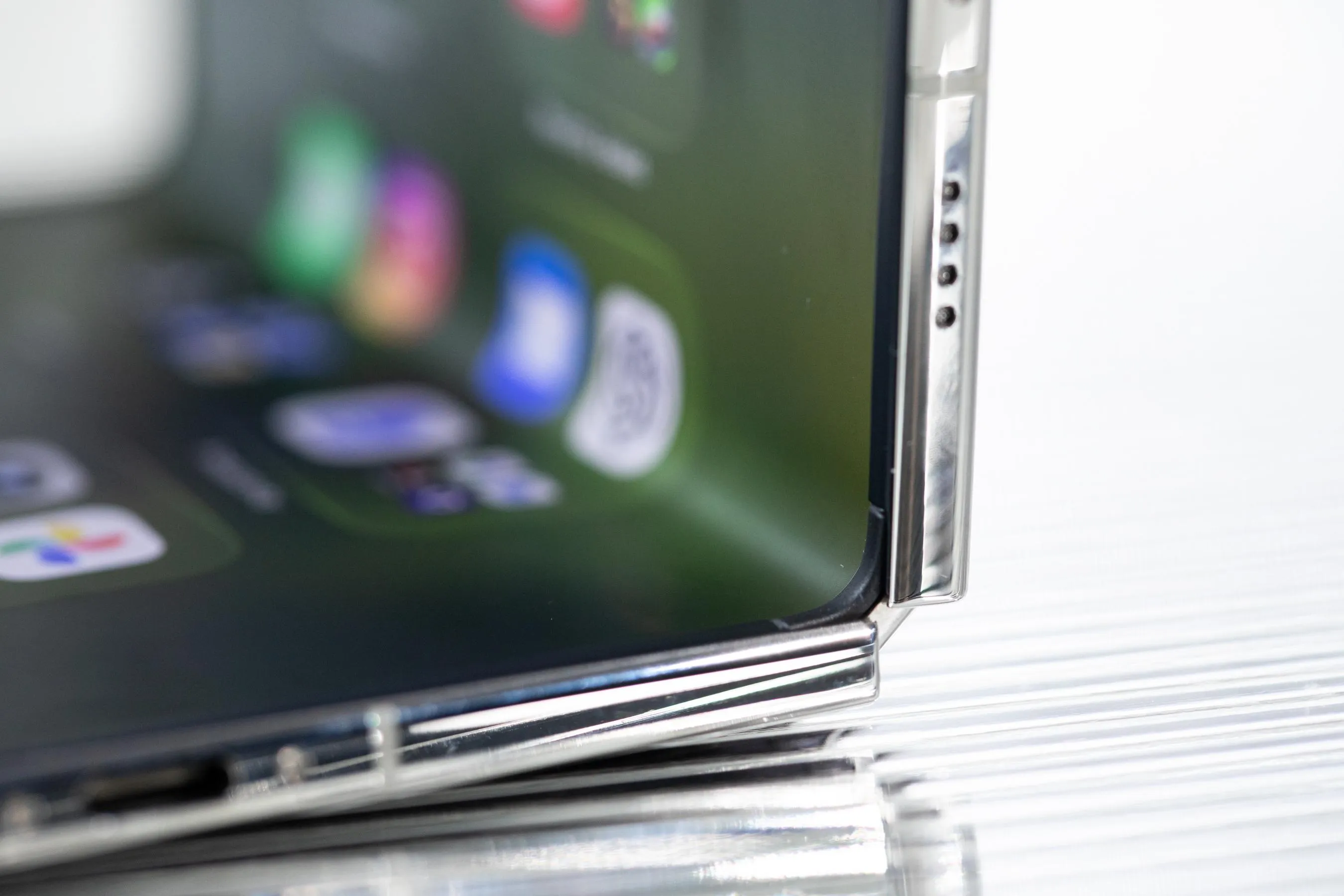
Apple prepares iPhone Duo launch with limited stock and purchase caps
Apple's $1,999 foldable reaches stores on October 23, but scarce stock, long delivery estimates and first generation trade-offs complicate the decision for buyers.
38 sources · over 4 days
eMudhra Exits Global TLS Certificate Business After Eight Keys Compromised
Emergency browser blocks and an Indian government investigation have followed the discovery of weak certificate keys, exposing a failure in the systems that establish trust online.
20 sources · over 3 days