
Thousands Attend Controversial Funeral of Convicted War Criminal Ratko Mladic in Belgrade
The funeral and public commemoration of Ratko Mladic in Serbia have sparked outrage in Europe and deepened divisions within Serbian society over his legacy.
By Hushread Stories, written with AI from 27 outlets · First published 7 Sept 2026
In brief
- Ratko Mladic, convicted of genocide and war crimes, died in prison in The Hague at age 84 in August 2026.
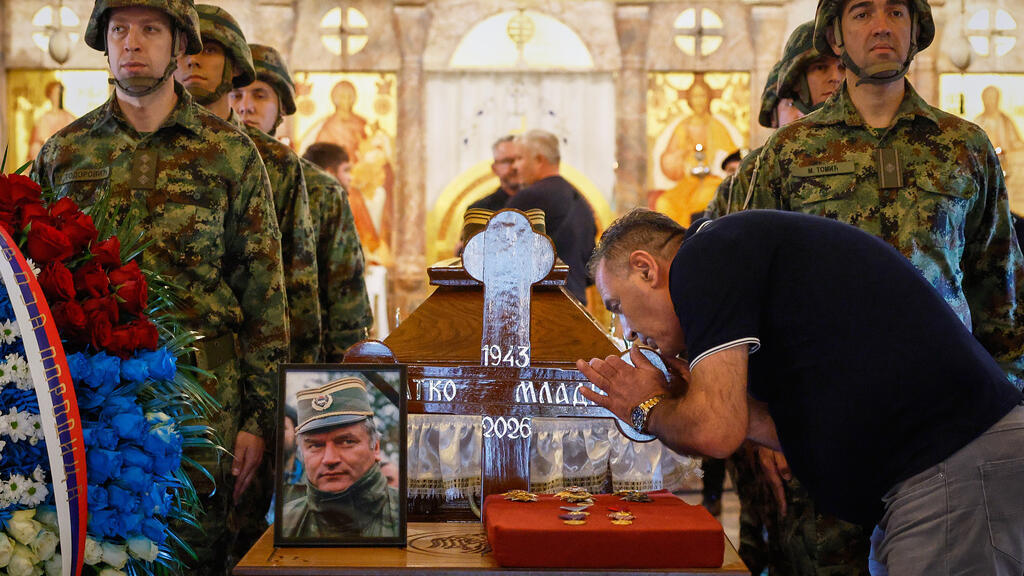
- Thousands attended his funeral in Belgrade, including former military personnel, government ministers, and members of the public.
- The funeral featured military honors and was broadcast live, with public displays of support such as flags, banners, and a tifo at a football match.
- Several Serbian government officials and ministers were present at the ceremony, despite it being described as private.
- International criticism intensified, with the EU and others condemning the event as glorification of a war criminal and questioning Serbia's EU aspirations.
Timeline · 6 moments
Mladic buried with military honors amid EU criticism
South China Morning Post ↗Red Star Belgrade fans pay tribute to Mladic at football match
Al Jazeera ↗Commemoration held in Belgrade attended by officials and former military staff
France24 ↗EU Enlargement Commissioner cancels Serbia visit in protest of planned commemoration
Al Jazeera ↗Serbian government leaves funeral decisions to Mladic's family amid mounting pressure
Deutsche Welle ↗Ratko Mladic dies in prison in The Hague
© Marko Drobnjakovic, AP ↗Update 7 Sept 2026, 3:10 pm UTC
Recent coverage confirms that Ratko Mladic's funeral in Belgrade drew thousands, including top Serbian officials, and featured military honors. The event was broadcast live and accompanied by public displays of support, such as Red Star Belgrade fans unveiling a tifo in his honor. The European Union and other international actors have strongly condemned the perceived glorification of Mladic and expressed concern over Serbia's commitment to reconciliation and EU values.
How it started
Ratko Mladic, once the Bosnian Serb army chief, was convicted of genocide, war crimes, and crimes against humanity for his role during the Bosnian War. He died on August 27, 2026, while serving a life sentence in The Hague. News of his death quickly reignited debate in Serbia about his legacy, with some viewing him as a national hero and others condemning his actions.
The Serbian government left decisions about Mladic's funeral to his family, but international pressure on Serbia began mounting as plans for a public commemoration emerged. The tension reflected deep divisions within Serbian society and between Serbia and the broader European community.
How it unfolded
On September 4, reports surfaced that the Serbian government had left funeral arrangements to Mladic's family, but international criticism was already intensifying. Many Serbs expressed strong feelings both for and against public commemoration, highlighting the nation's internal rifts.
By September 5, European Union Enlargement Commissioner Marta Kos announced she was canceling her visit to Serbia in protest, citing concerns about the glorification of a convicted war criminal. This decision was echoed by other European leaders, who warned that such acts contradicted EU values and could affect Serbia's EU candidacy.
On the same day, a commemoration ceremony was held in Belgrade, attended by dozens of former military staff, family members, and officials. The event showed that support for Mladic remains strong in some segments of Serbian society.
The funeral itself took place on September 7, drawing thousands of mourners to a church in Belgrade. Media reported that both active and retired military generals were present, and Serbian national flags were displayed. Despite the scale of the event, there were no official state honors or military salutes.
Public displays of support for Mladic also appeared elsewhere, such as when Red Star Belgrade football fans honored him with banners at a match.
Where it stands
Serbia is facing renewed international scrutiny after the public commemoration and funeral of Ratko Mladic. While many Serbs continue to view him as a hero, the events have drawn sharp criticism from the European Union and other international actors.
The government's decision to allow the family to organize the burial, while not officially endorsing the commemoration, has not prevented the perception that Serbia is still struggling with its wartime legacy. The controversy has raised fresh doubts about Serbia's readiness to align with EU values as it seeks membership.
What to watch
The European Union's reaction to the events in Belgrade may impact Serbia's EU accession talks and diplomatic relations in the coming months. Observers are watching to see if Serbia will take further steps to distance itself from wartime figures or if internal divisions will deepen. The international community's next moves, especially regarding Serbia's EU candidacy, remain a critical question.
More in Politics
All →
Lula and Flávio Bolsonaro Take Brazil's Election Fight From Debate to Court
Days before Brazil's October 25 runoff, the rivals are seeking each other's disqualification after a bitter televised debate, while polls show a closely contested race.
36 sources · over 7 days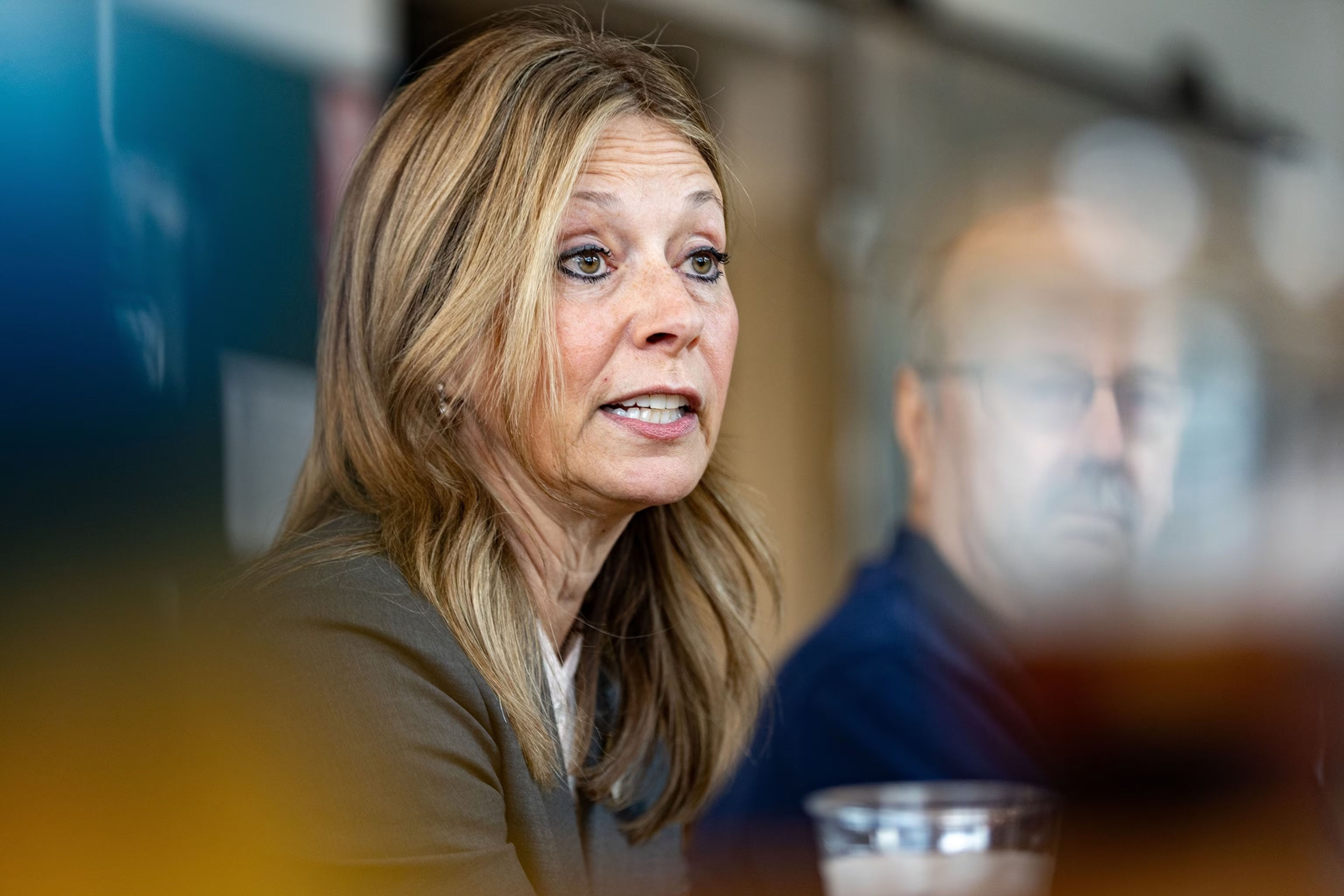
Ramaswamy's Campaign Makes Amy Acton Ad and Plans $4 Million Buy
Vivek Ramaswamy confirmed his campaign produced the attack ad featuring Amy Acton's estranged mother and plans to spend $4 million airing it.
27 sources · over 4 days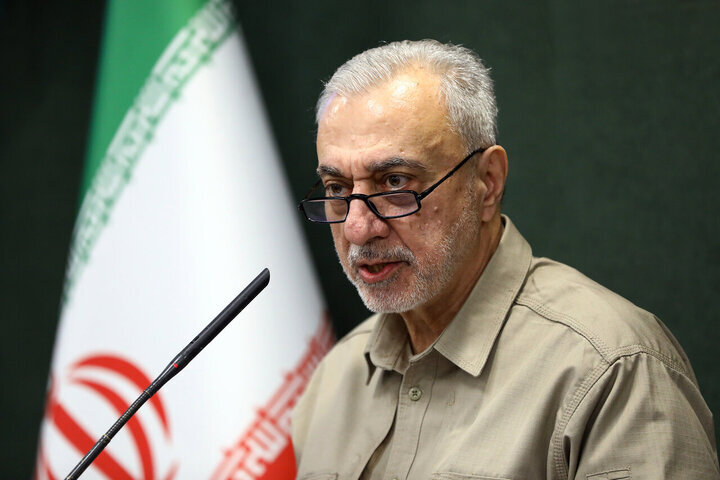
Iran's Parliament Approves Mehrdad Akhlaghi Ketabchi as New Defense Minister
The parliamentary vote confirms a veteran defense industry official as minister after his predecessor's killing, with Akhlaghi already addressing military capabilities and issuing warnings to the United States.
22 sources · over 5 days