
Trump Backs Mecca Defense Pact Linking Saudi Arabia, Turkey, and Pakistan
A new mutual defense agreement between Saudi Arabia, Turkey, and Pakistan, praised by President Trump, may shift alliances and security arrangements in the Middle East at a time of regional tension.
By Hushread Stories, written with AI from 22 outlets · First published 16 Aug 2026 · Chapter 1 of 2
In brief
- Saudi Arabia, Turkey, and Pakistan signed a mutual defense agreement on August 7, 2026, in Mecca.
- President Trump publicly supported the pact on August 16, calling it a significant step for regional cooperation.
- The agreement treats an attack on one member as an attack on all, aiming to counter threats from Iran.
- As of late August 2026, the pact is in effect, but analysts question its practical impact on regional security.
- Observers are monitoring for military cooperation developments and potential expansion to include Iran in the future.
Timeline · 8 moments
Effectiveness of Mecca pact questioned by analysts
Foreign Policy ↗Reports suggest Iran invited to join Mecca pact
Times of India Top Stories ↗Analysts debate pact's impact on regional alliances
The Independent ↗Pact seen as counter to Iran and shift from US umbrella
Al Jazeera ↗Mecca pact establishes mutual defense commitment
Top World News- News18.com ↗Trump praises pact as 'big, bold, important first step'
BirGün ↗Trump welcomes Saudi-Turkey-Pakistan defense pact
Mehr News ↗Saudi Arabia, Turkey, Pakistan sign Mecca Joint Defence Agreement
Ta Nea ↗How it started
On August 7, 2026, Saudi Arabia, Turkey, and Pakistan signed a new defense agreement in Mecca. The deal was the result of months of negotiations and is seen as a major step in efforts to build a collective security framework in the Middle East, according to Ta Nea and other outlets.
The agreement comes amid growing doubts among Gulf states about the reliability of U.S. security guarantees, especially as conflict with Iran has intensified. Saudi Arabia in particular has sought new partners and defense arrangements to address these concerns, as reported by Deutsche Welle.
How it unfolded
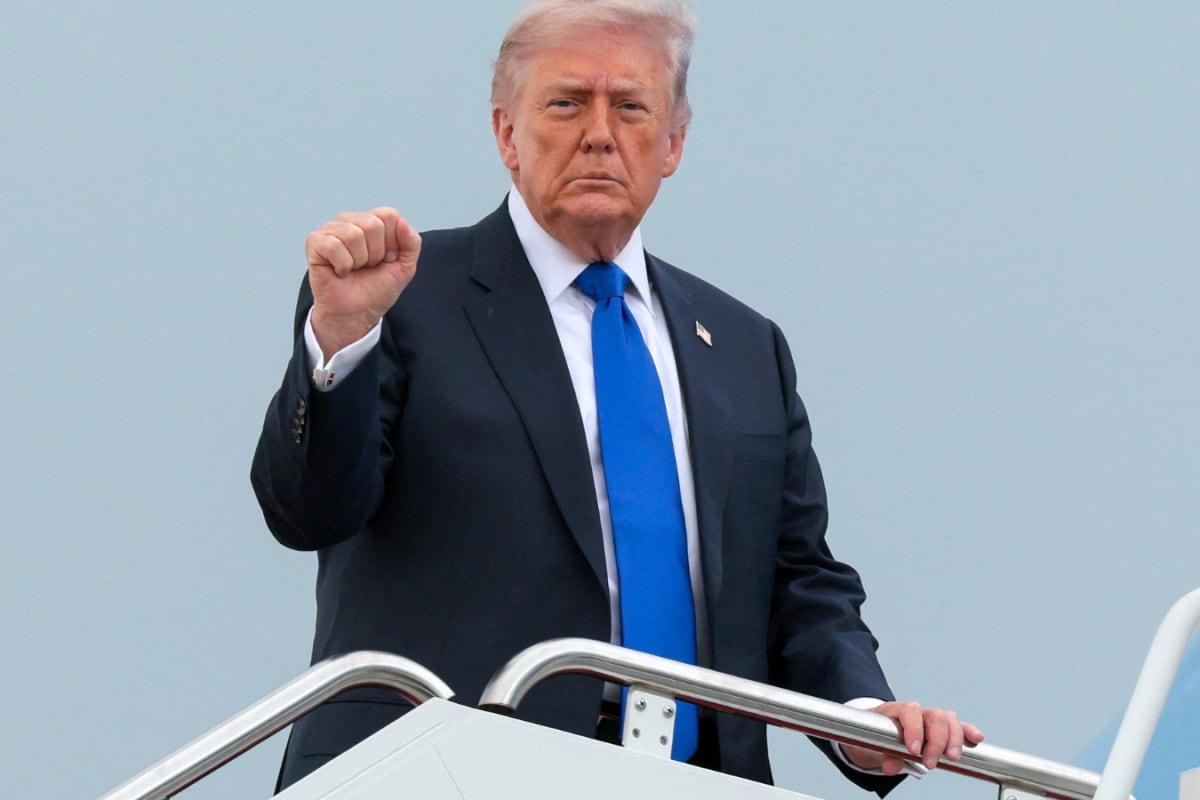
On August 16, 2026, news broke that President Donald Trump publicly welcomed the new pact. Mehr News and BirGün reported that Trump called the agreement a sign of closer Middle Eastern ties and a 'big, bold step.' He congratulated the leaders of Saudi Arabia, Turkey, and Pakistan, emphasizing the importance of regional self-defense.
The next day, more details emerged. Outlets like News18.com and Trend News Agency described the pact as a mutual defense agreement: an attack on one member is to be treated as an attack on all. Trump repeated his support, saying the deal would strengthen security and cooperation.
Some outlets highlighted the context of the deal. According to in.gr and NewsIt.gr, the pact was partly aimed at countering threats from Iran and its allies. Al Jazeera and the South China Morning Post noted that the agreement signals a shift away from dependence on U.S. protection, raising questions about the future of American influence in the region.
By August 18, analysis in The Independent and Deutsche Welle focused on how the pact could reshape security dynamics and alliances, including impacts on India and the broader Middle East. Reports from Times of India and India Today later suggested the agreement might deepen existing rivalries, especially between Saudi Arabia and the UAE, and even mentioned that Iran had been invited to join, though this was not confirmed.
Where it stands
As of late August 2026, the Mecca Joint Defence Agreement is in effect, linking Saudi Arabia, Turkey, and Pakistan in a formal mutual defense arrangement. Trump continues to praise the pact, calling it a model for regional cooperation. However, analysts remain divided on how much practical impact it will have, given challenges in arms procurement and the new uncertainties in U.S. commitments, as Foreign Policy reported.
Some regional players, including the UAE and India, are watching the development closely. There is also speculation about whether Iran might eventually join the pact, but there is no confirmation or clear timetable for this.
What to watch
Key questions remain about the alliance's practical effectiveness. Observers are watching for concrete steps in military cooperation, possible expansion to include Iran, and the impact on existing alliances. The next months will show whether the pact changes the balance of power or remains largely symbolic.
More in Politics
All →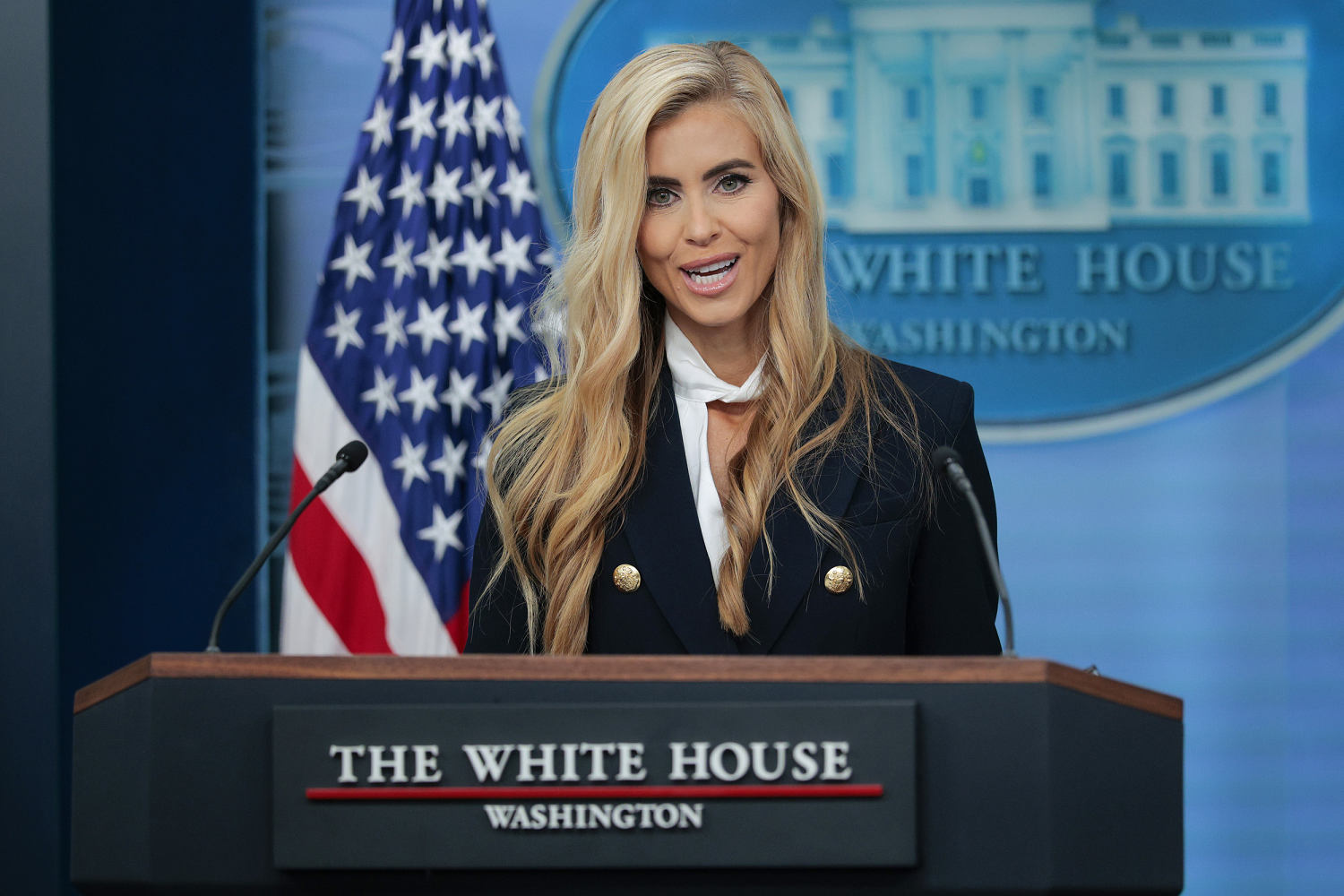
Katie Zacharia Fired After Five Days Amid Questions Over Legal Credentials
Katie Zacharia's departure ends a brief tenure dominated by questions about her legal background and first briefing, after President Donald Trump publicly suggested she reconsider the job.
77 sources · over 5 days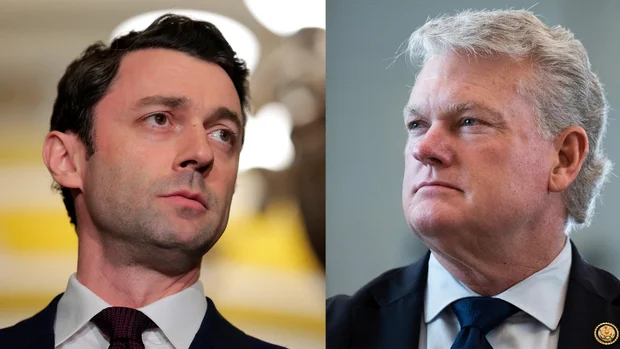
Jon Ossoff Rules Out 2028 Presidential Run in Georgia Senate Debate
The Georgia Democrat pledged to serve a full six-year Senate term if reelected, addressing presidential speculation as his November 3 contest against Republican Mike Collins approaches.
10 sources · over 3 days
Justice Department sues California over voter rolls, warns election workers
The federal government wants roughly 20,000 voters' mail ballots withheld from counting, and has warned California election officials of possible prosecution weeks before the midterms.
15 sources · over 4 days