
Trump defends Russia sanctions waiver as bipartisan criticism grows in Congress
President Trump is defending sanctions relief tied to Russian diesel as lawmakers condemn the decision, administration explanations differ and Congress has no quick response in sight.
By Hushread Stories, written with AI from 15 outlets · First published 18 Oct 2026
In brief
- President Trump waived new sanctions on Russia just days before they were due to take effect.
- Congress had overwhelmingly passed the legislation, which Trump signed into law last month before granting Russia an exemption.
- At least eight Republican senators and several House lawmakers criticized the diesel deal or sanctions waiver.
- Energy Secretary Chris Wright defended Russian diesel purchases as an incentive to end the war in Ukraine.
- Trump now says sanctions relief supports peace and lower fuel prices, while no quick congressional counteraction is evident.
Timeline · 7 moments
Trump accuses Zelensky of not wanting war to end
Le Monde ↗Trump links sanctions pause to peace and fuel relief
New York Post ↗Differing administration explanations emerge for Russian diesel deal
Times now ↗Wright calls Russian diesel purchases an incentive for peace
Business Insider ↗Congressional outrage produces no quick counter to waiver
Arab News ↗Republican lawmakers condemn waiver as beyond irresponsible
The Hill ↗Trump waives Russia sanctions days before implementation
Associated Press ↗How it started
President Donald Trump waived sanctions on Russia days before they were due to take effect, reversing course on legislation Congress had overwhelmingly passed, according to Associated Press.
Trump had signed the sanctions bill into law last month before moving to exempt Russia, The Hill reported. The decision immediately put him at odds with lawmakers from both parties over pressure on Russia and support for Ukraine.
How it unfolded
On October 17, Republicans joined Democrats in condemning the waiver. Sen. Thom Tillis called the move "beyond irresponsible," according to The Hill. Al Jazeera reported that lawmakers said suspending sanctions undermined support for Ukraine.
The criticism extended beyond a handful of dissenters. At least eight Republican senators and several House lawmakers had spoken against Trump's diesel deal with Russia or the sanctions waiver, Japan Times reported on October 17. But outrage had not produced a quick congressional countermeasure, according to Arab News.
On October 18, US Energy Secretary Chris Wright defended the decision to buy Russian diesel as an "incentive to end the war," Business Insider reported. Administration explanations were not consistent: Times now described differing accounts, including that the deal offered bargaining leverage and that Russia would have sold the fuel anyway.
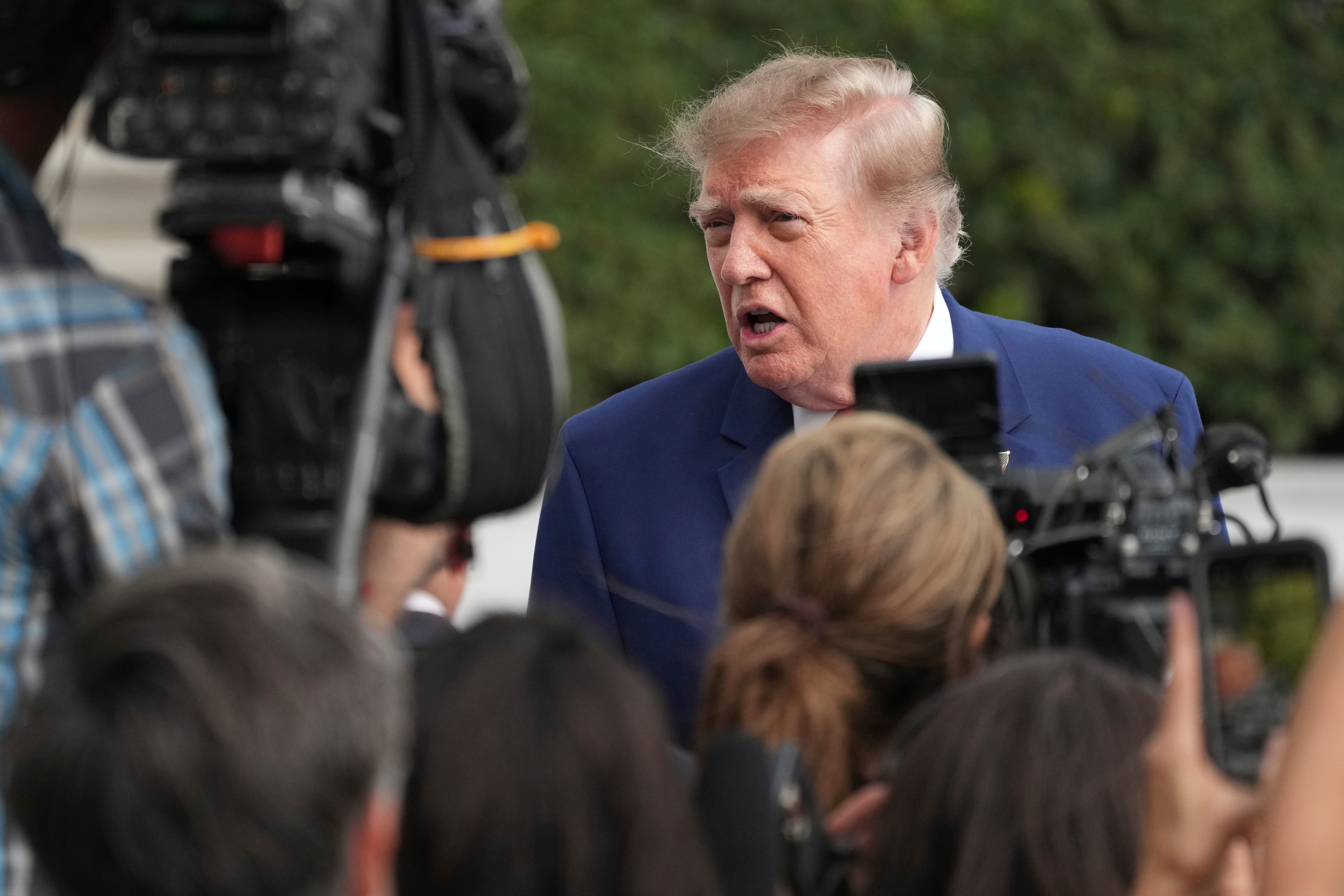
Trump also defended the decision himself. "It's a very good decision," he said, arguing it would benefit the country and the world, according to The Hindu.
Later on October 18, Trump presented the sanctions pause as a way to secure permanent peace and bring US fuel price relief, New York Post reported. He also accused Ukrainian President Volodymyr Zelensky of not wanting to end the war, according to Le Monde. That accusation was Trump's claim, not an established account of Ukraine's position.
Where it stands
The waiver has drawn substantial bipartisan opposition, but the coverage identifies no swift congressional action to counter it. Arab News described a gap between lawmakers' anger and an immediate response.
Trump is defending the policy on both diplomatic and economic grounds. His administration has offered differing explanations for the diesel arrangement, according to Times now, leaving unresolved how the relief is supposed to produce an end to the war.
What to watch
The immediate question is whether lawmakers turn their criticism into a concrete effort to challenge the waiver. No quick counteraction was apparent in the reporting from Arab News.
Another open question is what Russia would have to do in return for relief. Wright described an incentive for ending the war, according to Business Insider, while Trump argued that the pause could help secure peace, according to New York Post. Those reports do not establish a specific Russian commitment.
More in World
All →
Bomb threat forces Tel Aviv to Vienna flight to land in Sofia
An Austrian Airlines flight carrying 57 people diverted to Bulgaria after a bomb threat, with passengers brought to safety and a security search begun after landing.
8 sources · today
Tiger Shroff escapes Mumbai shooting as driver hurt and manhunt begins
Tiger Shroff escaped unhurt after gunfire in Mumbai's Juhu area, while his driver was injured and police began searching for the attackers amid conflicting accounts of the shooting.
12 sources · today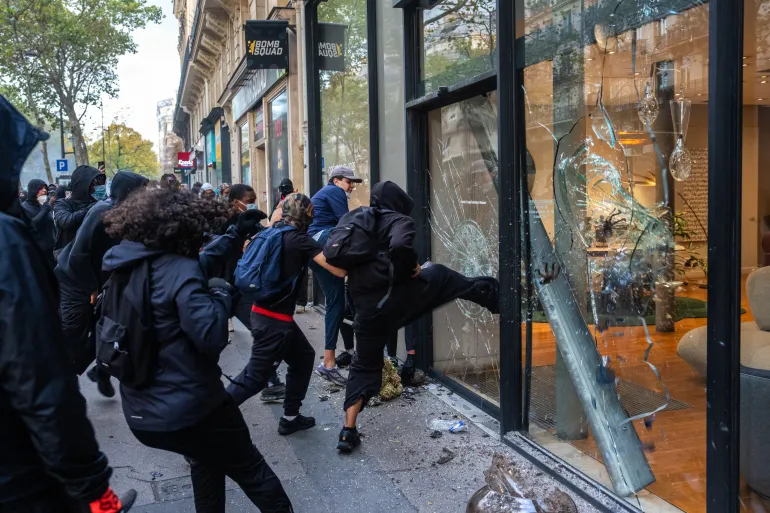
Macron condemns unrest in France and raises possible protest bans
French President Emmanuel Macron has promised stronger security after violence and looting, while raising possible restrictions on demonstrations without announcing a curfew or state of emergency.
8 sources · today