
Trump Faces Sanctions Backlash as Ukraine Talks Shift to Oslo
Moves to ease pressure on Russia have drawn bipartisan criticism, while talks in Norway offered signs of progress without resolving disputes over American support for Ukraine.
By Hushread Stories, written with AI from 67 outlets · First published 21 Oct 2026 · Chapter 6 of 6
Earlier: Trump and Zelensky Clash as Oslo Talks Test Ukraine Support
In brief
- Trump's administration lifted sanctions on Russian diesel and delayed other economic measures, drawing criticism from Republicans and Democrats.
- Ukrainian President Volodymyr Zelenskyy met Trump envoys in Oslo amid disputes over American intelligence support and missile deliveries.
- Secretary of State Marco Rubio denied that Washington had changed its weapons aid or intelligence sharing policy.
- Zelenskyy welcomed restored American advance warnings of attacks, while officials described the Oslo discussions as constructive.
- Steve Witkoff is expected to meet Vladimir Putin next, while Ukraine demands inclusion in any summit discussing its future.
Timeline · 4 moments
Zelenskyy welcomes restored American advance warnings of strikes
World News CNA ↗Rubio denies deliberate obstruction of Ukraine's defences
CBC News ↗Zelenskyy meets Trump envoys and European leaders in Oslo
Deutsche Welle ↗Russia sanctions relief draws criticism across party lines
Yahoo News ↗How it started
The dispute centers on Washington's easing of economic pressure on Russia while pressing Ukraine to reach a peace agreement. According to Yahoo News, the Trump administration's moves over the past two weeks included lifting sanctions on Russian diesel and delaying other measures targeting Russia's economy. Those decisions drew criticism from Republicans and Democrats.
The sanctions dispute has become part of a wider deterioration in relations between U.S. President Donald Trump and Ukrainian President Volodymyr Zelenskyy. NPR described Trump's renewed Russia-friendly moves as part of his push to end the war amid high energy costs ahead of the U.S. midterms.
Ukrainian officials see growing risks in remaining silent. According to NYT World News, they argued that speaking out had become less dangerous than staying quiet as Trump increasingly prioritized Russia's interests.
How it unfolded
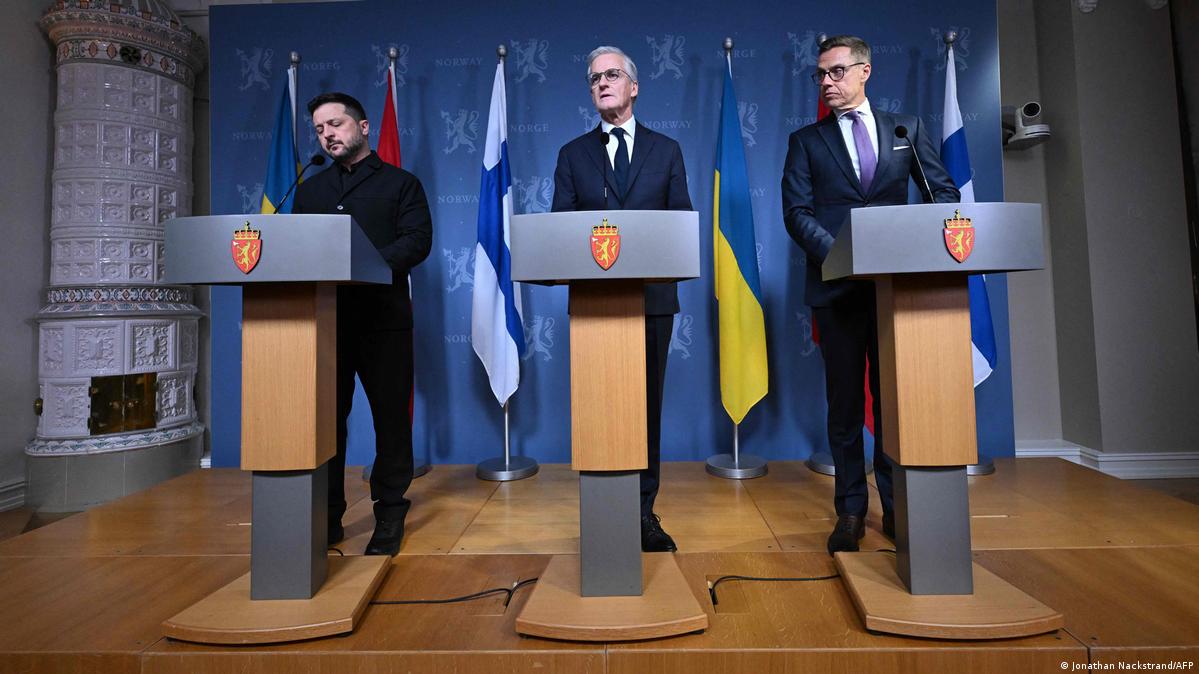
On October 20, attention shifted to Oslo. Zelenskyy met Norwegian and Finnish leaders and held talks with Trump envoys Steve Witkoff and Jared Kushner, Deutsche Welle reported. The meetings came as Trump intensified pressure on him to make a deal with Russia.
Disputes over military support were also on the agenda. DIE ZEIT reported that Zelenskyy and U.S. Secretary of State Marco Rubio discussed Starlink restrictions and interceptor missiles by telephone. According to CBC News, Rubio denied that the United States was deliberately hindering Ukraine's defences.
Speaking to reporters in Mumbai, Rubio also said Washington had not changed its policy on weapons aid or intelligence sharing, according to News18. That denial did not settle the separate question of what support Ukraine was actually receiving.
Later on October 20, Zelenskyy welcomed the resumption of American advance warnings of strikes on Ukraine, according to CNA. The New York Post reported that he described positive signals from both his call with Rubio and the Oslo meetings.
Trump nevertheless maintained his public pressure. After Zelenskyy's meeting with the American delegation, he said it was time to make a deal and complained that the United States had received nothing back from Ukraine, Euronews reported.
Where it stands
The Oslo talks produced encouraging assessments, but no announced peace agreement in the supplied coverage. A U.S. official described the discussions as constructive, according to The Guardian. Zelenskyy said he had given Witkoff ideas to convey to Putin, Infobae reported.
A broader summit remains a possibility, not an agreed settlement process. TIME.com reported that Trump was open to a denuclearization summit with Russian President Vladimir Putin and Chinese President Xi Jinping. Separately, Deutschlandfunk reported Zelenskyy's demand that Ukraine participate in any possible meeting of those leaders concerning its future.
The scope of that proposed summit matters. The coverage describes both a possible nuclear discussion and concerns about negotiations over Ukraine without Ukrainian participation. It does not establish an agreed agenda or attendance list.
What to watch
The next diplomatic step is Witkoff's expected meeting with Putin on October 21. According to NDTV, the plan was for talks in Moscow, with Kushner participating virtually. Reports differed on the destination: RT en Español named St Petersburg instead.
The immediate tests are whether the ideas discussed in Oslo gain Russian support, whether restored intelligence assistance continues, and whether Ukraine secures a place in any wider summit. The supplied coverage does not announce a reversal of the sanctions relief or a resolution of the missile delivery dispute.
More in World
All →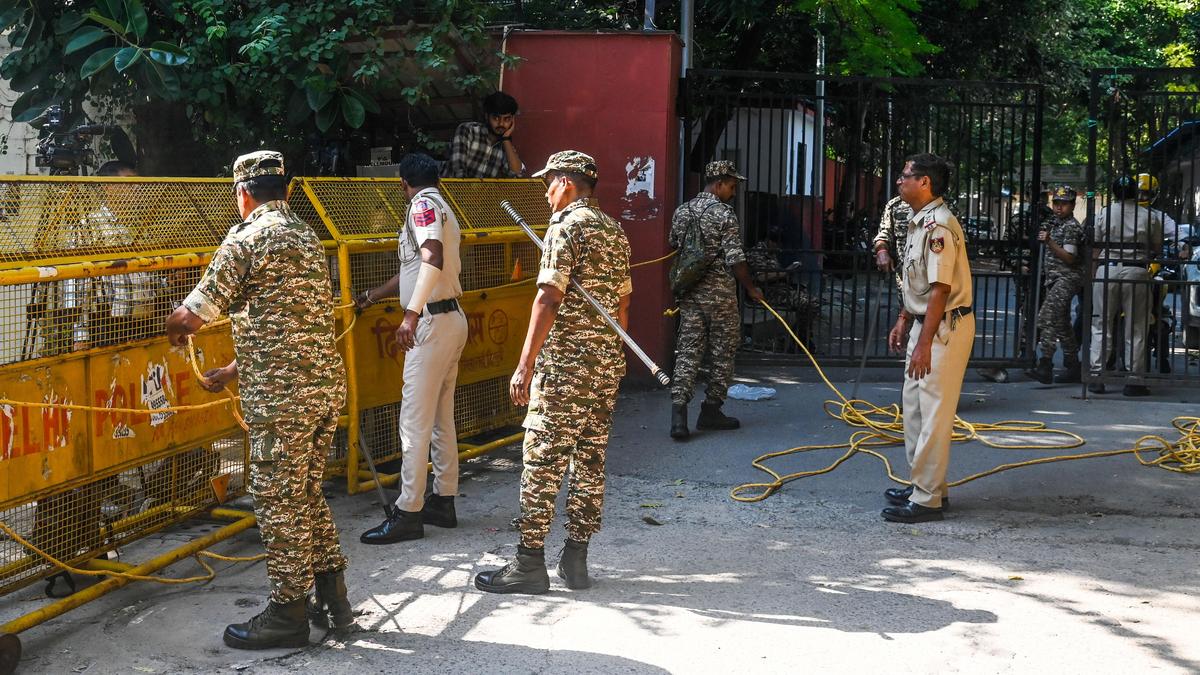
CJP Challenges Leaders' Custody as Delhi Police Expands Crime Branch Probe
Saurav Das and Ashutosh Ranka have challenged their continued custody in the Delhi High Court, while police have transferred two cases against the CJP leaders to the Crime Branch.
23 sources · over 8 days
Marco Rubio Begins India Visit for Trade and Energy Talks
Marco Rubio's three-day India visit includes talks with S. Jaishankar on trade, energy and defence, and a tribute to victims of the 26/11 attack.
30 sources · over 7 days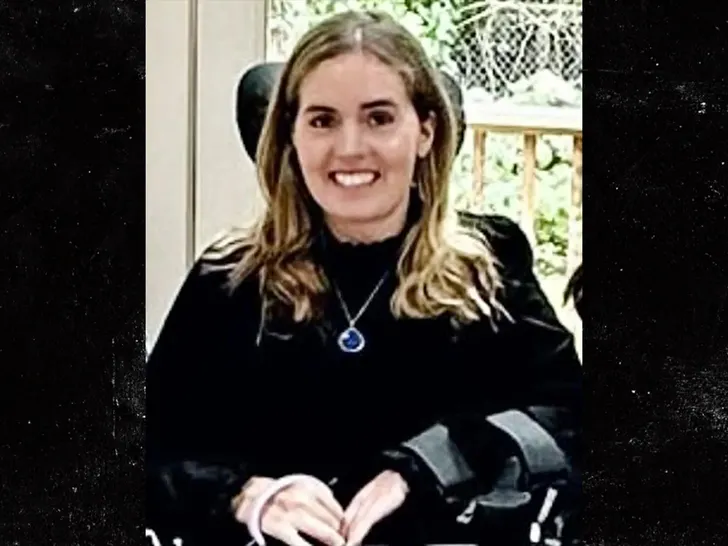
Kyle Kennedy, granddaughter of Bobby and Ethel Kennedy, dies at 42
Reports published on October 20 say Kyle Kennedy died at her Massachusetts home in September, citing an obituary, but the supplied coverage does not establish a cause of death.
17 sources · today