
Trump Orders Lake Ontario Renamed 'Lake America', Sparking US-Canada Dispute
President Trump's executive order to rename Lake Ontario as 'Lake America' has triggered backlash in Canada, divided American opinion, and forced major tech companies to update their map services for US users.
By Hushread Stories, from 88 outlets · First published 25 Aug 2026
In brief
- On August 31, 2026, President Trump signed an order renaming Lake Ontario to 'Lake America,' escalating US-Canada tensions.
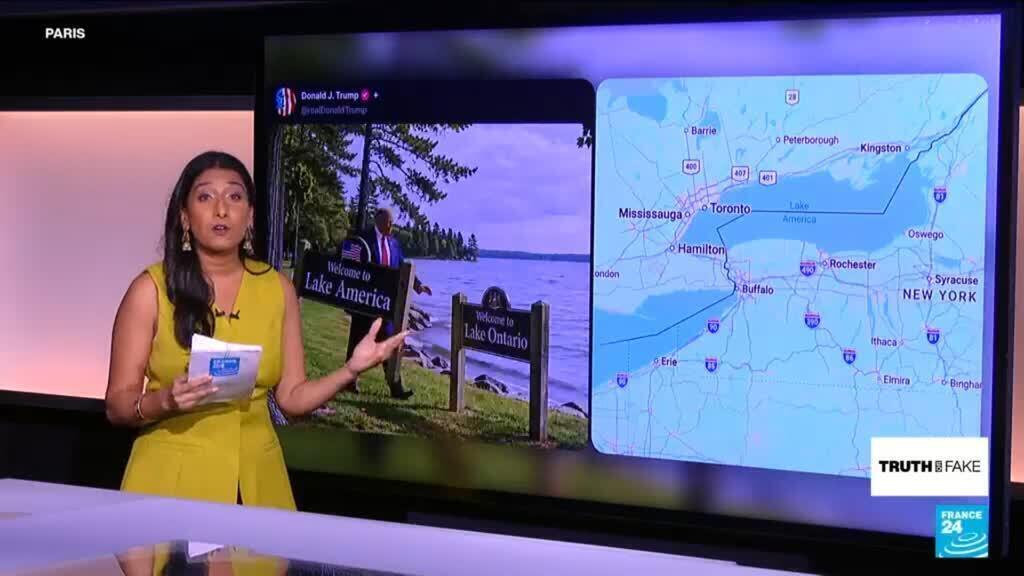
- As of September 2, 2026, Google Maps and Apple Maps show 'Lake America' for US users, while Canadians see 'Lake Ontario.'
- MapQuest has retained the original name and surged to the top of US App Store downloads amid the controversy.
- Canadian officials have rejected the name change and are erecting signs to reaffirm the lake's historical identity.
- The dispute highlights ongoing trade tensions and raises questions about the authority of executive orders in international matters.
Timeline · 7 moments
Apple and Google were not legally bound to comply
Mint ↗Joe Rogan calls Trump's renaming a distraction
The Independent ↗Apple changes Lake Ontario name after Trump request
The Hill ↗Most Americans disapprove of Lake Ontario name change
The Independent ↗Google Maps changes Lake Ontario to 'Lake America' for US users
France24 ↗MapQuest refuses Trump order, surges in downloads
CBS Top Stories ↗Trump's order to rename Lake Ontario sparks treaty concerns
Fast Company ↗How it started
On August 31, 2026, President Donald Trump signed an executive order to rename Lake Ontario, one of North America's Great Lakes, to 'Lake America.' The decision came amid escalating trade tensions between the United States and Canada, and followed the breakdown of trade talks between the two countries, according to TechSpot.
Trump's order was immediately controversial. The president of the Seneca Nation told Fast Company the move clashed with a 232-year-old treaty, highlighting the deep historical and cultural ties to the lake's original name. Canadian officials publicly rejected the renaming and began erecting signs to reaffirm the lake's historical identity.
How it unfolded
After the executive order, the issue quickly spread beyond politics and diplomacy. On September 1, 2026, Google Maps began showing 'Lake America' for US users, as reported by France24 and others. Apple soon followed, updating Apple Maps to display 'Lake America' for Americans and 'Lake Ontario' for Canadians, with both names visible to users elsewhere (Techmeme, Bloomberg).
Some US companies refused to comply. MapQuest, a digital mapping service, announced it would keep the historical name regardless of the executive order. The move paid off: MapQuest surged to the top of the US App Store downloads, overtaking Google Maps and Apple Maps, according to CBS and The Guardian News. Many Americans downloaded MapQuest specifically because it defied the order and maintained the original name.
Public reaction was swift. Polls reported by Axios and The Independent showed most Americans opposed the name change, seeing it as unnecessary and politically motivated. Even in pro-Trump towns named after Lake Ontario, some of his supporters voiced disagreement, according to The Daily Beast and World.
The controversy also drew attention from public figures. Joe Rogan criticized the renaming as a distraction from bigger issues, such as the ongoing war with Iran, The Independent reported. Meanwhile, tech industry analysts noted that Apple and Google were not legally required to comply with the executive order, but did so anyway, according to Mint.
Where it stands
As of September 2, 2026, US users of Apple Maps and Google Maps see the lake labeled as 'Lake America.' Canadians and most users outside the US still see 'Lake Ontario.' MapQuest, however, remains unchanged and has become the most popular navigation app in the US, thanks to its decision to retain the original name.
Canada continues to reject the new name, and officials have made it clear they will not recognize 'Lake America.' The dispute remains a symbol of the current strain in US-Canada relations, with both sides holding firm.
What to watch
It remains unclear whether the US government will try to pressure other companies or international organizations to adopt the new name. The issue has also raised questions about the authority of executive orders in matters of international geography and digital mapping. The broader US-Canada trade dispute, of which this controversy is a part, shows no sign of resolution.
More in Politics
All →
Trump Backs Ramaswamy Ad as Ohio Governor Calls for Its Removal
An attack ad featuring Amy Acton's estranged mother has split Republicans, with President Donald Trump defending it as Ohio Gov. Mike DeWine urges its removal before November's election.
36 sources · over 5 days
Milei's Madrid Visit Sparks Sánchez Clash as Argentine Opposition Seeks Unity
Javier Milei's attacks on Pedro Sánchez turned his Madrid visit into a political confrontation, while Argentina's opposition moved toward a common congressional strategy ahead of the 2027 elections.
13 sources · over 6 days
Lula and Flávio Bolsonaro Take Brazil's Election Fight From Debate to Court
Days before Brazil's October 25 runoff, the rivals are seeking each other's disqualification after a bitter televised debate, while polls show a closely contested race.
37 sources · over 8 days