
Trump Pauses 50% Tariffs on Canadian Goods Amid Crisis Talks
President Trump has temporarily delayed sweeping tariffs on Canadian imports after a sharp escalation in the US-Canada trade war, with both sides locked in urgent talks to avoid severe economic fallout.
By Hushread Stories, from 87 outlets · First published 16 Aug 2026
In brief
- President Trump has paused the planned 50% tariffs on $20 billion of Canadian goods for three days amid ongoing negotiations.
- Both the US and Canada are engaged in urgent talks to prevent further escalation of the trade conflict that began over a year ago.
- Canada has prepared counter-tariffs on over 700 US goods valued at $27.6 billion if negotiations fail to yield results.
- The economic impact of the tariffs remains uncertain, with businesses on both sides preparing for potential disruptions.
- The outcome of the negotiations will determine if the trade war escalates or is resolved in the coming days.
Timeline · 5 moments
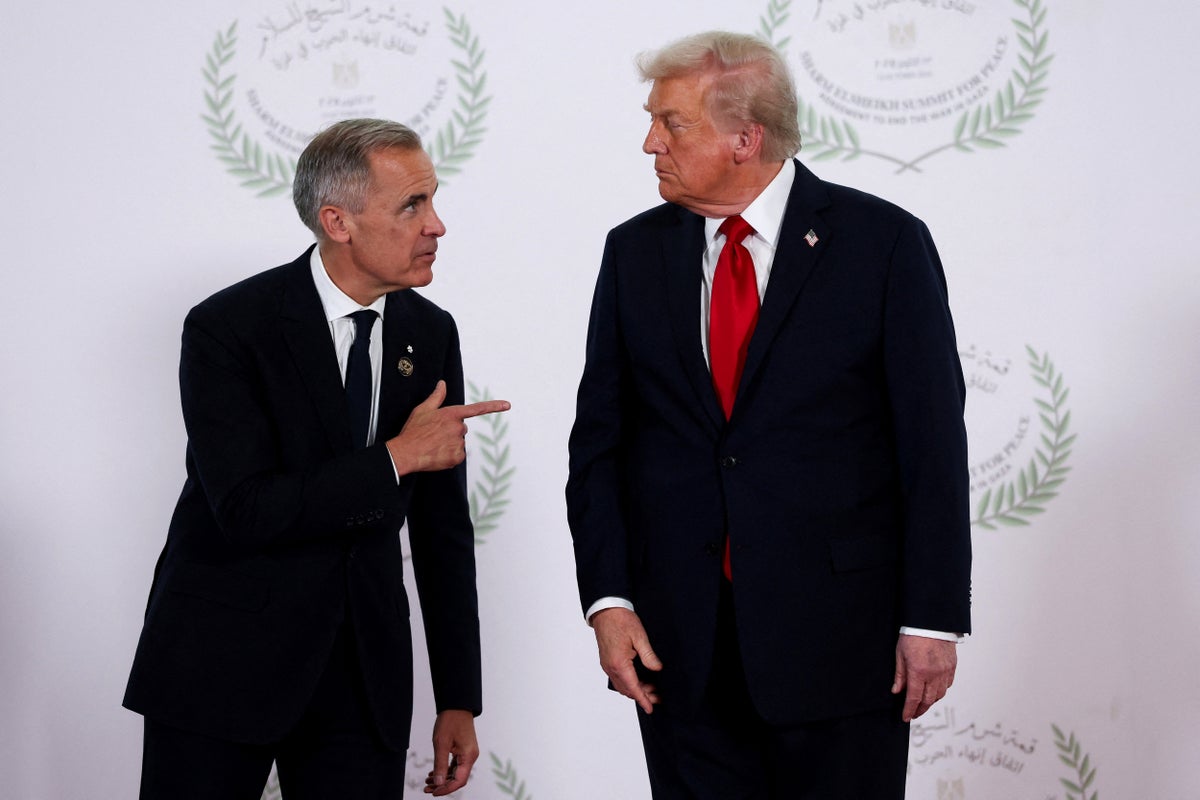
Carney tells Trump 'stop doing memes' after taunts over US-Canada trade dispute hit new low
The Independent ↗Trade talks collapsed. Now Canada and the US are fighting over why.
Politico ↗Tariffs Could Bring Canada Auto "To Its Knees"
Bloomberg ↗Canada adds more U.S. goods to list of planned counter-tariffs
Global News ↗Trump Imposes 50% Tariffs on $20 Billion of Canadian Goods
Time.news ↗How it started
Trade tensions between the United States and Canada have been simmering for over a year. The dispute intensified when President Trump announced plans to impose steep 50% tariffs on $20 billion worth of Canadian goods. Canada, which relies on the US for more than 70% of its trade, faced mounting pressure to respond.
Prime Minister Mark Carney took a tough public stance, promising to match any US tariffs "dollar for dollar". The Canadian government warned that such measures would hurt industries on both sides of the border and signaled its willingness to retaliate if talks failed.
How it unfolded
On August 28, 2026, the Trump administration officially imposed the 50% tariffs, targeting a wide range of Canadian products. Canada responded the same day by announcing counter-tariffs on over 700 US goods, valued at $27.6 billion, according to Global News. The Canadian Prime Minister described the situation as a 'war' over trade, making clear that negotiations had broken down.
Business leaders and economists, including Linda Hasenfratz of Linamar, warned that these tariffs would be devastating for the Canadian automotive sector. The BBC and Bloomberg highlighted the risk to supply chains and the broader economy, with fears that the dispute could push Canada toward recession.
Talks between the two countries collapsed, with each side blaming the other for the impasse. US officials accused Canada of making unacceptable last-minute demands, while Canadian negotiators challenged this version of events, as reported by Politico. The rhetoric became increasingly personal, with President Trump making public comments opposing Canadian imports and his officials mocking Canada's military capabilities.
Despite the breakdown, the economic stakes kept both sides at the negotiating table. On September 1, Carney's Liberal Party won three byelections, which he hailed as a mandate for his tough stance on the trade war. He publicly called on US officials to 'start being serious' and stop 'doing memes' and 'throwing shade', according to The Independent and Sky News.
Where it stands
After a series of urgent negotiations, President Trump announced a three-day pause on the new tariffs while talks continue. Both governments remain locked in discussions, trying to reach a deal that could prevent further escalation.
For now, the tariffs have not been implemented, but both countries have prepared lists of goods that could be hit if talks fail. The economic impact remains uncertain, but businesses on both sides of the border are bracing for possible disruption if no agreement is reached.
What to watch
The immediate question is whether the US and Canada can finalize an agreement before the three-day pause expires. If talks collapse again, both sides are poised to impose their respective tariffs, risking major consequences for industries and consumers. The tone of negotiations and the willingness of leaders to compromise will determine whether the trade war deepens or is resolved in the coming days.
More in Business
All →
Volkswagen salary freeze plan deepens tensions ahead of German labour talks
Reports of a worldwide pay freeze through 2030 have sharpened Volkswagen's dispute with employee representatives, as IG Metall threatens strikes ahead of another round of crisis talks.
15 sources · over 5 days
Musk backs $3.5 trillion Tesla and SpaceX merger as insiders raise concerns
Special committees are studying a combination of Musk's two companies, but his public backing has raised concerns about shareholder scrutiny, delays and the difficulty of valuing the business.
17 sources · over 2 days
SBI Says 3,897 Customer Records Exposed Among 3.75 Lakh Dark-Web Records
SBI's preliminary analysis found personal information in 3,897 records among around 3.75 lakh records available on the dark web, while the bank reported no material impact on its IT systems or financial performance.
14 sources · over 3 days