
Trump reportedly blocked Netanyahu's planned October 10 attack on Iran
Reports of a postponed Israeli offensive come as Netanyahu publicly embraces regime change in Iran, raising questions about whether US electoral timing has delayed rather than prevented renewed fighting.
By Hushread Stories, written with AI from 15 outlets · First published 21 Oct 2026
In brief
- Netanyahu reportedly prepared an attack on Iran for October 10, but Trump opposed military action before US midterm elections.
- The planned strikes reportedly would have been more intense than those carried out in February.
- The operation was reportedly put on hold for now, rather than abandoned as a military option.
- Netanyahu says he discussed toppling Iran's government with Trump, while Israeli rivals demand tougher measures against Tehran.
- Whether fighting resumes after US and Israeli elections remains uncertain, with Iran determined to retain its uranium.
Timeline · 5 moments
Opposition chief accuses Netanyahu of politicizing national security
Arab News ↗Iran maintains uranium position amid renewed mediation efforts
Al Jazeera ↗Reports emerge that Trump opposed planned October attack
TGcom24 ↗Netanyahu says he discussed toppling Iran's regime with Trump
Al Jazeera ↗Israeli opponents press Netanyahu for tougher Iran policy
Al Jazeera ↗How it started
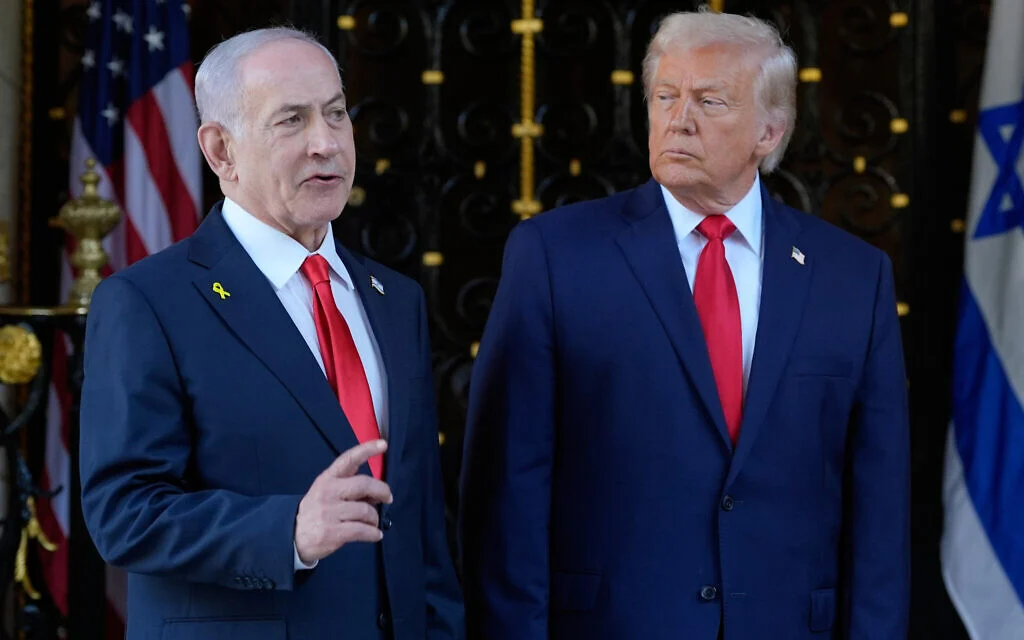
Israeli Prime Minister Benjamin Netanyahu reportedly prepared to attack Iran on October 10, only for US President Donald Trump to oppose the operation before the American midterm elections. TGcom24 reported that Trump's objection was intended to avoid a new escalation before the November 3 vote.
The proposal was for a substantial offensive. Panorama reported that Israel's government had prepared plans for a large military operation over the weekend of October 10. The supplied coverage does not establish the full operational details or provide an official confirmation of the reported intervention.
How it unfolded
The military planning sits alongside an increasingly forceful political debate in Israel. On October 19, Al Jazeera reported that Netanyahu's opponents were criticizing him for not being tough enough on Iran, even as he faced blame abroad for the Iran war.
On October 20, Netanyahu said he had discussed the need to topple Iran's regime with Trump, according to Al Jazeera. Iran International reported that he was making regime change an explicit goal ahead of Israel's election, while rivals advocated tough measures against Tehran.
On October 21, accounts emerged of the planned October 10 attack and Trump's opposition. The Times of Israel, citing reporting by the Financial Times, said sources described the proposed strikes as more intense than those in February.
The reported targets extended beyond nuclear facilities. According to Times Now, the proposed bombing campaign also included government sites and civilian infrastructure. NDTV reported that the plan had been shelved for the time being because Trump had reservations about starting a war before the midterms.
Netanyahu's public threats also drew criticism at home on October 21. Arab News reported that Israel's opposition chief accused him of dangerously politicizing national security ahead of elections.
Where it stands
The reporting describes a postponed operation, not a settled decision to rule out further strikes. The Times of Israel reported that sources considered a resumption of war after the US and Israeli elections possible. That is an assessment, not an announced timetable.
Nor does Trump's reported objection establish agreement with Netanyahu's stated goal of toppling Iran's government. The coverage records Netanyahu's account of their discussion, but does not establish that Trump endorsed that goal.
The nuclear dispute remains unresolved. On October 21, Al Jazeera reported that Iran was determined to retain its uranium and that Tehran had nothing new to tell Washington after mediators reportedly offered fresh nuclear proposals.
What to watch
The immediate question is whether the reported pause lasts beyond the November 3 US midterm elections. The coverage provides no confirmed date for renewed military action, and the possibility of fighting after both countries' elections remains a reported assessment.
A separate question is whether mediation produces movement on Iran's nuclear position. Al Jazeera described renewed proposals but no new response from Tehran to Washington, leaving that diplomatic route unresolved.
More in World
All →
Supreme Court Keeps Block on Trump's Transgender Inmate Treatment Restrictions
The administration cannot immediately halt certain medical treatments for transgender people in federal prisons, leaving care in place while litigation over the policy continues.
11 sources · today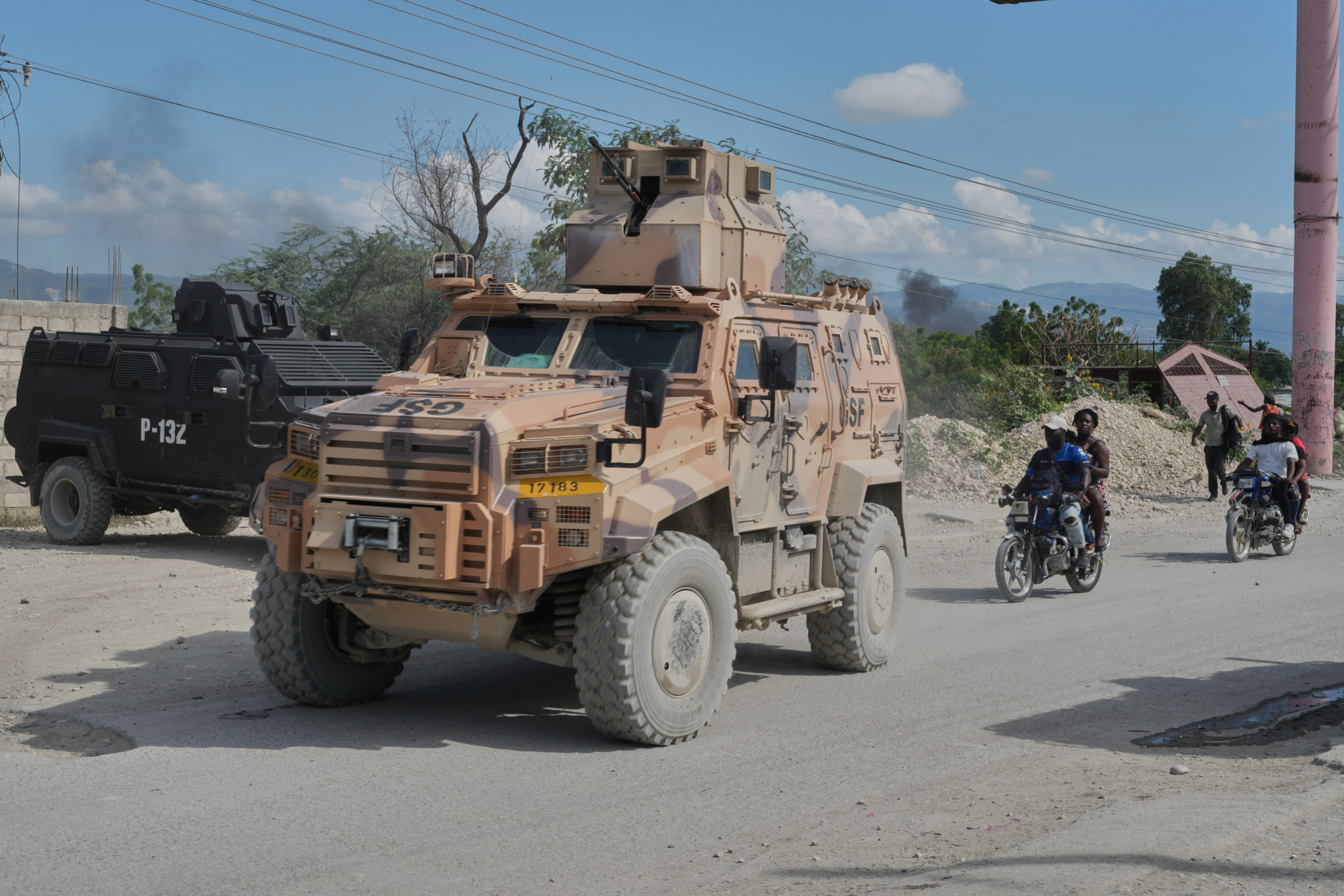
El Salvador Announces Rescue Mission for Four Soldiers Abducted in Haiti
President Nayib Bukele says Haitian gangs are holding four Salvadoran soldiers hostage, as a new rescue operation follows earlier recovery efforts hampered by intense fighting.
8 sources · over 3 days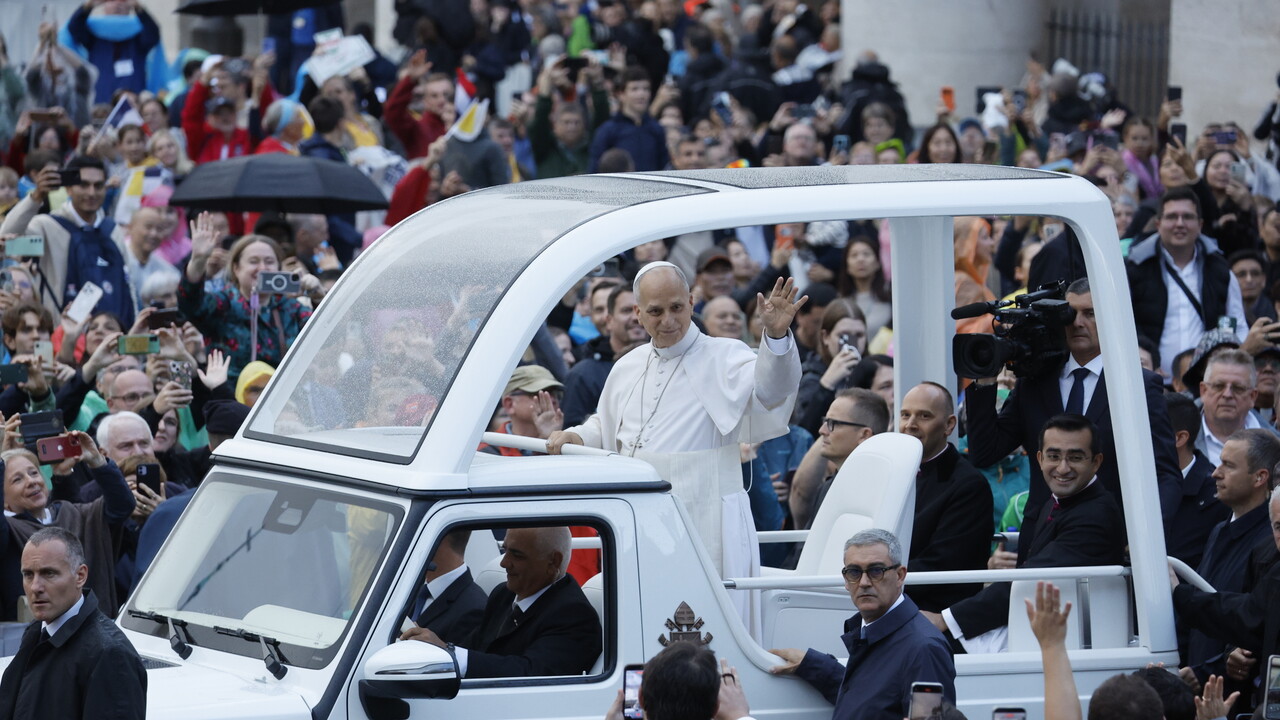
Pope Leo XIV Resumes General Audiences Eight Days After Lung Surgery
Pope Leo XIV greeted pilgrims from his popemobile in St. Peter's Square on Wednesday, extending his return to public duties while he continues recovering from lung cancer surgery.
43 sources · over 4 days