
Trump Signals No Immediate Iran Attack as Midterm Defeat Reshapes Debate
After US strikes near the Strait of Hormuz, Trump says no immediate attack is planned, while Iranian leaders cast Republican election losses as a rejection of war.
By Hushread Stories, from 78 outlets · First published 4 Nov 2026 · Chapter 4 of 4
Earlier: US strikes Iran's Qeshm Island as post-election military options draw scrutiny
In brief
- Trump confirmed a minor US strike on Iran's Qeshm Island while saying no immediate further attack was planned.
- Republican midterm losses prompted Iranian officials to argue that American voters had rejected the war and its costs.
- Trump acknowledged the conflict contributed to Republican losses but said he did not regret launching it.
- Tehran claimed four oil tankers caught fire after hitting mines in the Strait of Hormuz on Wednesday.
- Iranian leaders warned that US hostility could persist despite the election result, leaving prospects for peace uncertain.
Timeline · 7 moments
Khamenei warns US hostility will outlast election results
World News CNA ↗Tehran claims four tankers caught fire after hitting mines
© Majid Asgaripour, West Asia News Agency via Reuters ↗Trump acknowledges war contributed to Republican midterm defeat
CBS Top Stories ↗Iranian negotiator calls election result a rejection of war
BBC News ↗Iran puts responsibility for preventing renewed war on Washington
The Hill ↗Trump says no immediate Iran strike is planned
Financial Times ↗US strikes Iranian targets ahead of midterm elections
Arab News ↗How it started
The latest escalation centres on US strikes against Iranian targets in the Strait of Hormuz, a conflict over nuclear demands and access to the waterway, and uncertain prospects for negotiations.
Arab News described the November 3 action as an apparently limited strike, carried out hours before the US midterm elections. According to Mint, President Donald Trump confirmed a minor US strike on Iran's Qeshm Island, while Tehran signalled openness to negotiations.
How it unfolded
On November 3, Trump told the Financial Times that the United States had no immediate plan to strike Iran. He described Washington's position with Tehran as "brilliant" in an interview hours before midterm polls closed.
That same day, Iran's chief negotiator said Washington was responsible for preventing a return to all-out war. The Hill reported that Tehran said it had given a "firm and rational response" to US demands concerning nuclear weapons and opening the Strait of Hormuz.
By November 4, the election results had become part of the diplomatic argument. Iran's chief negotiator, Mohammed Bagher Ghalibaf, said Americans had voted "no to war" and added, "We endorse this message," according to BBC News.
Trump acknowledged that rising petrol prices linked to the Iran war contributed to his Republican Party's defeat, Euronews reported. But he said he did not regret launching the war, according to CBS Top Stories.
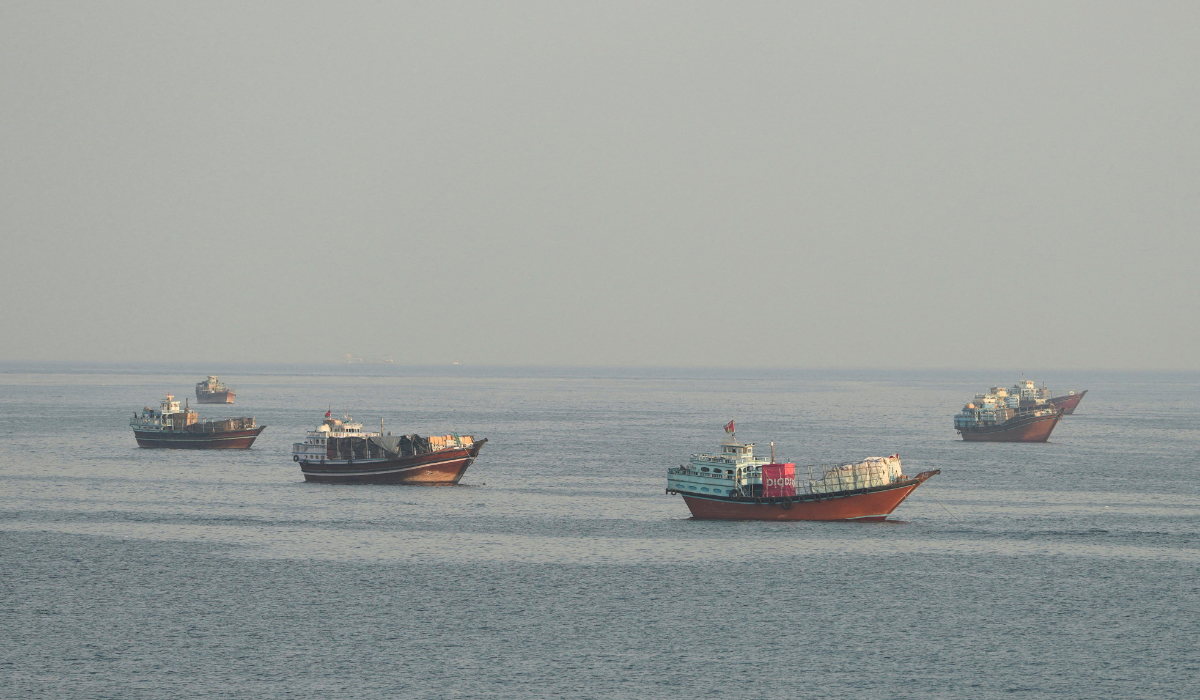
The maritime danger also remained unresolved. On November 4, Tehran claimed four oil tankers had caught fire after hitting mines in the Strait of Hormuz, according to the report credited to West Asia News Agency via Reuters. The supplied coverage presents that account as Tehran's claim, not an independently established finding.
Where it stands
Trump's statement that no immediate strike is planned is not an announcement that the conflict is over. Mint reported that he also said the United States was prepared to act if necessary. Meanwhile, Bloomberg described conflicting signals about the direction of US-Iran peace talks.
Iran's leaders are not treating the election result as a guarantee of changed US policy. Iran's Supreme Leader Mojtaba Khamenei said in a written statement that US hostility would persist regardless of which party held power, according to World News CNA. Times of Israel also reported his warning that renewed war could have a wider scope.
What to watch
The immediate issue is whether the two sides can turn their diplomatic messages into progress on nuclear demands and access to the Strait of Hormuz. Iran has put responsibility for avoiding renewed war on Washington, while Trump has left military action available, according to The Hill and Mint.
Any renewed fighting could also spread beyond the current confrontation. The National reported that an Iranian general warned of Red Sea attacks if fighting resumed. That remains a conditional warning, not a reported attack.
More in World
All →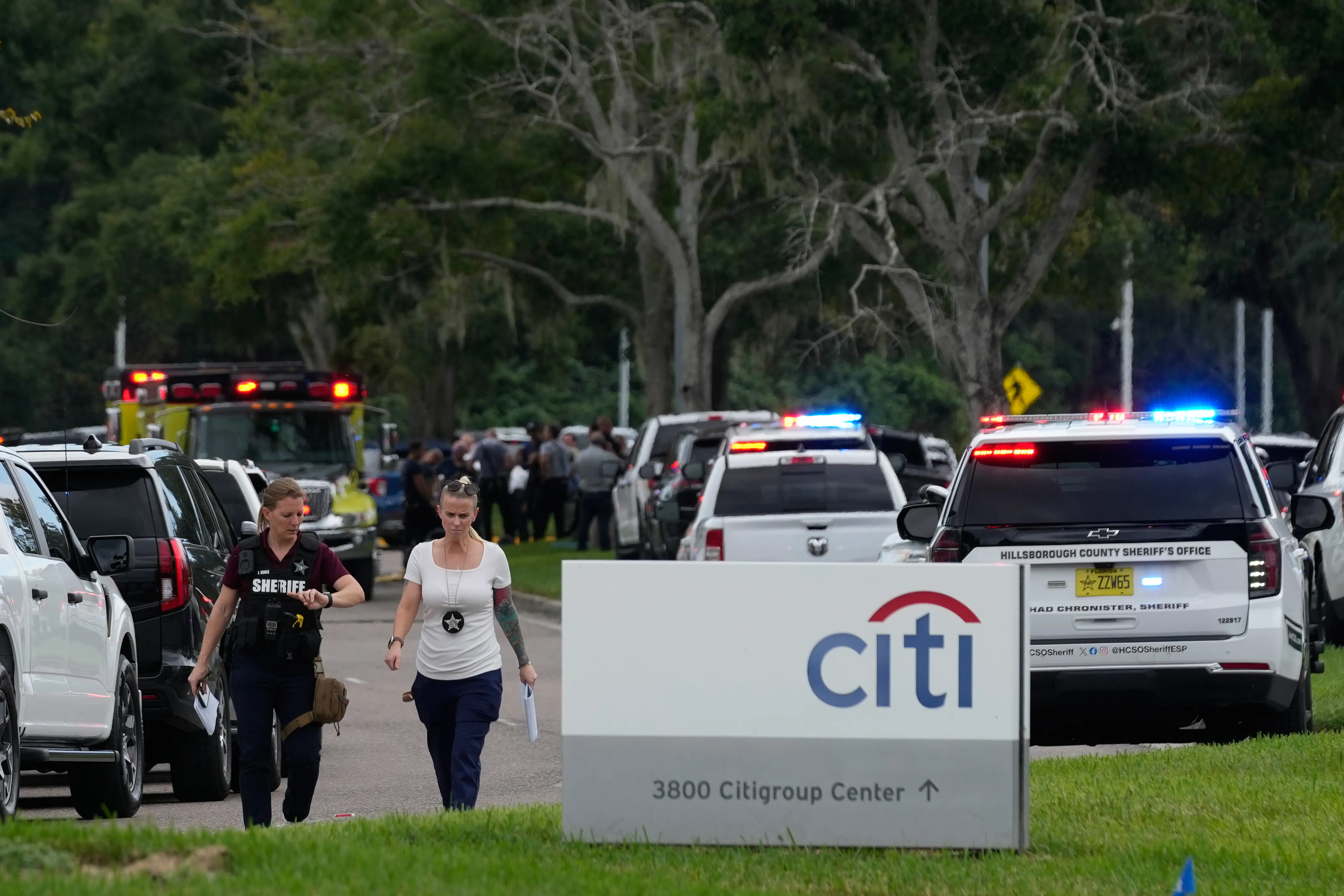
Two dead after shooting at Citibank office complex near Tampa
The suspect is among two people dead after a shooting at a Citibank complex, with the sheriff saying preliminary information suggests the attack was targeted.
8 sources · today
Russian bombing hits Ukraine aid centre as reported toll reaches 40
Volodymyr Zelensky said the death toll in Komyshuvakha had reached 40 as searches continued for a third day.
40 sources · over 3 days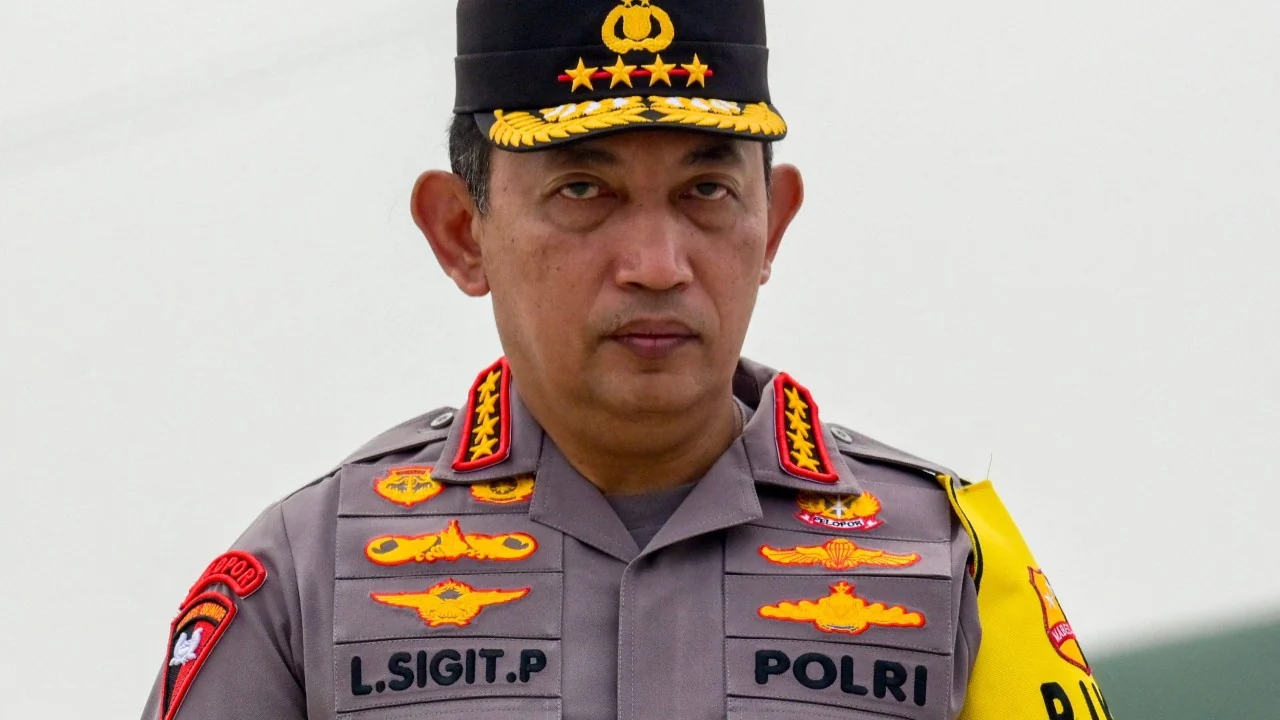
Indonesia arrests former police chief over alleged wiretapping of President Prabowo
President Prabowo Subianto has sacked his chief of staff after arrests over alleged phone tapping that also targeted journalists, politicians and business people.
12 sources · today