
Tupac Shakur Murder Trial Nears Verdict After Decades-Old Case Reopened
The 2026 trial of Duane 'Keffe D' Davis for Tupac Shakur's 1996 murder is reaching its conclusion, marking a pivotal moment for justice in one of music's most infamous unsolved killings.
By Hushread Stories, from 36 outlets · First published 16 Aug 2026 · Chapter 1 of 2
In brief
- The trial of Duane 'Keffe D' Davis for Tupac Shakur's murder is in closing arguments as of August 28, 2026.
- Davis is the first person charged in connection with Tupac's 1996 murder, which remained unsolved for nearly 30 years.
- Prosecutors argue Davis orchestrated the killing as revenge for an earlier altercation involving his nephew, Orlando Anderson.
- The jury will soon deliberate, weighing decades-old evidence and conflicting testimonies presented during the trial.
- The outcome will determine if this infamous case finally reaches a legal conclusion or remains unresolved.
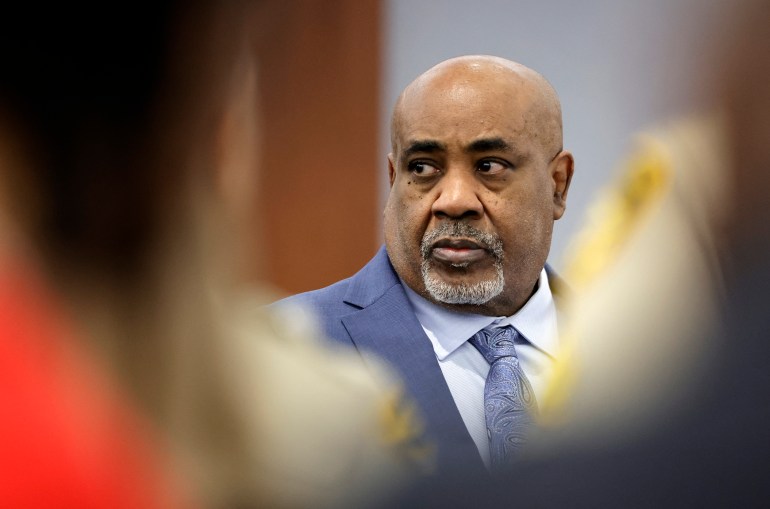
Timeline · 8 moments
Jury to begin deliberations in Tupac murder case
CBS Top Stories ↗Trial heads to closing arguments as evidence questioned
The Independent ↗Prosecutors rest case after presenting 24 witnesses
Time.news ↗Duane Davis claims nephew Orlando Anderson shot Tupac
The Independent ↗Witnesses reluctant to testify, trial faces obstacles
Vice ↗Prosecutors highlight Davis's admissions and memoir
Time.news ↗Opening statements in long-awaited Tupac murder trial
Euronews ↗Tupac Shakur murder trial begins after nearly 30 years
Al Jazeera ↗How it started
Tupac Shakur, a major figure in hip-hop, was shot and killed in a drive-by shooting in Las Vegas in September 1996. His death shocked the music world and fueled years of speculation, conspiracy theories, and debate about who was responsible.
The case remained unsolved for nearly thirty years, partly due to a lack of witness cooperation and the complex ties to gang violence. Over the years, Duane 'Keffe D' Davis, a former gang leader, became a central figure in the investigation after making public admissions about his involvement and publishing a memoir containing key details about the night Tupac was killed.
After decades of frustration for Tupac's family and fans, authorities in Las Vegas brought charges against Davis in 2026, making him the first person to face prosecution for the murder.
How it unfolded
The trial began in August 2026 in Las Vegas, drawing significant media attention and public interest. Prosecutors accused Duane Davis of orchestrating the killing as revenge for an earlier altercation involving his nephew, Orlando Anderson, according to Al Jazeera and other outlets.
Early in the trial, prosecutors highlighted Davis's own words, both from interviews and his memoir, as evidence. According to The Independent and Time.news, Davis had previously told police that his nephew, Orlando Anderson, was the one who fired the fatal shots. Prosecutors argued that Davis played a pivotal role in planning the attack, even if he did not pull the trigger himself.
Testimony included accounts from witnesses about the chaos surrounding the shooting and the climate of fear that discouraged people from coming forward. CBS Top Stories reported that some family members left the courtroom when autopsy photos were shown. The defense argued that Davis's confessions were exaggerated or fabricated for attention, as noted by NPR News and Vice.
High-profile names surfaced during the proceedings, with outlets like Proto Thema and NewsIt.gr mentioning Sean 'Diddy' Combs as a witness and discussing a rumored bounty, though no charges were brought against him. As the trial progressed, the prosecution called 24 witnesses, and the defense presented testimonies from former gang members, including combative exchanges with the lawyers, according to the BBC and Time.news.
By late August, both sides had rested their cases. The prosecution relied heavily on Davis's past statements, while the defense focused on challenging the credibility of those admissions and the lack of direct physical evidence, as seen in The Independent and Daily Mail.
Where it stands
As of August 28, 2026, the trial has moved into the closing arguments phase. Jurors are set to hear final statements from both sides and will soon begin deliberations. Davis remains the only person charged in connection with Tupac Shakur's murder.
This trial is seen as a crucial attempt to resolve one of the most talked-about unsolved murders in American music history. The outcome now rests with the jury, who must weigh decades-old evidence, conflicting testimonies, and Davis's own words.
What to watch
The main question now is whether the jury will convict Duane 'Keffe D' Davis based on the evidence and testimonies presented. Their verdict will determine if this long-unresolved case finally reaches a legal conclusion, or if questions about Tupac's murder will persist for years to come.
More in Politics
All →
Argentine Judge Dismisses $LIBRA Case Against Javier and Karina Milei
The ruling ends the criminal case against Argentina's president and his sister, with the judge finding that the investigated events did not constitute crimes.
11 sources · today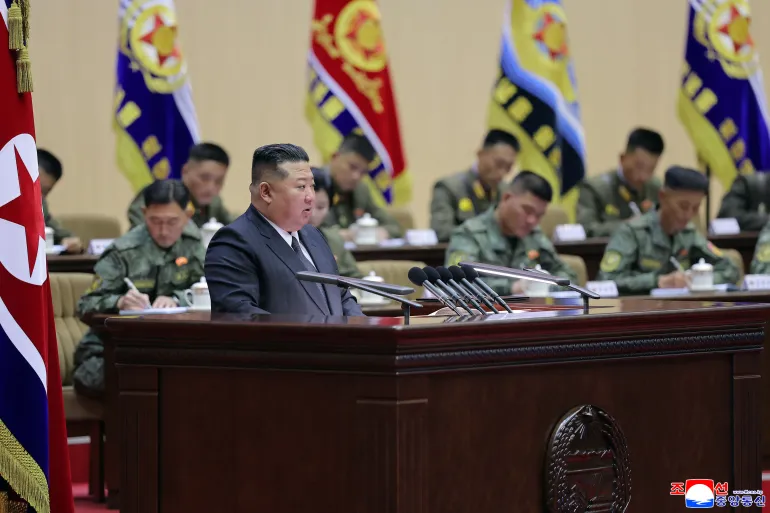
Kim Jong Un reportedly arrives in Dandong via newly opened bridge
The reported surprise visit comes about a week after a major bridge opened between North Korea and China, as the countries seek to expand trade.
8 sources · today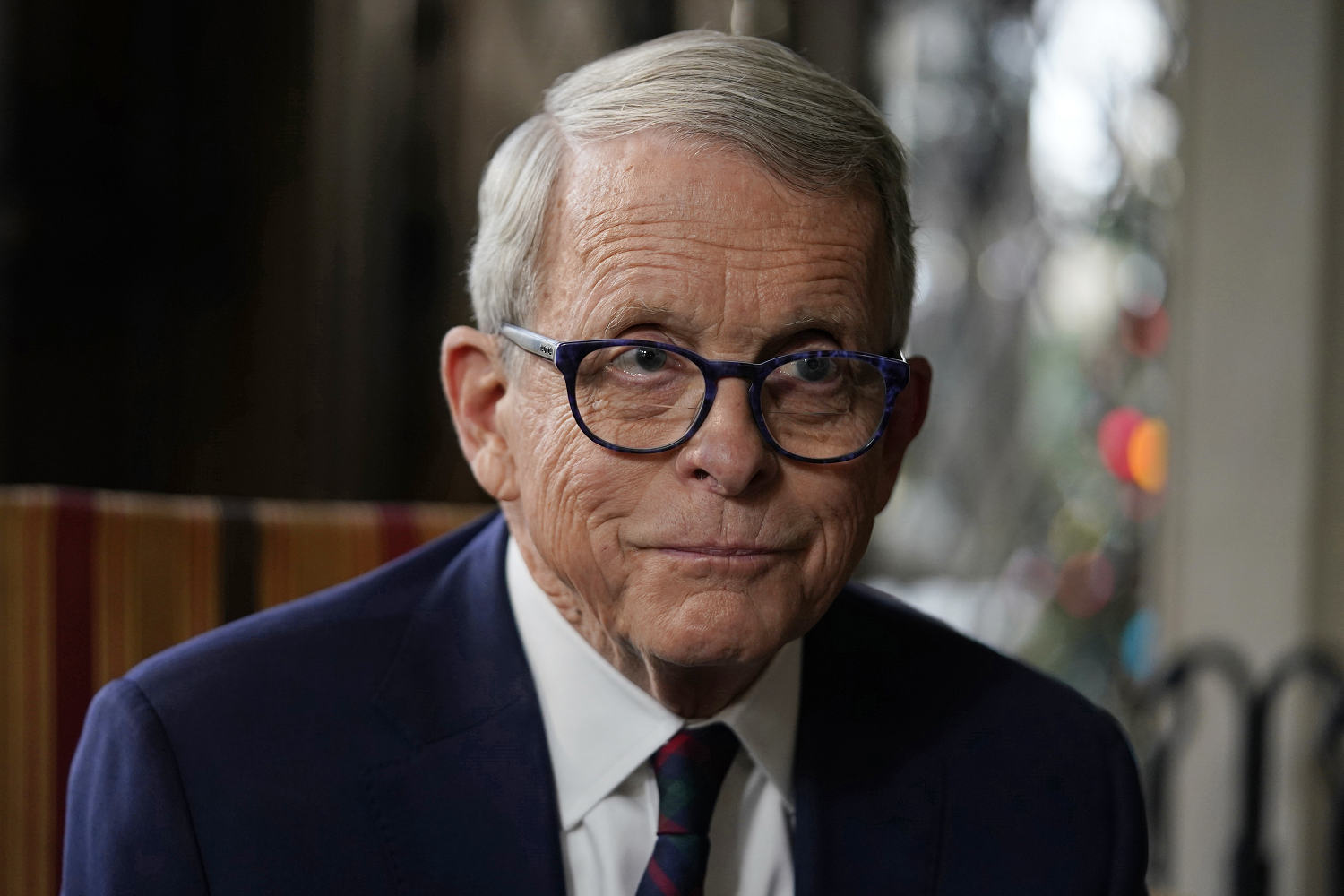
Trump Backs Ramaswamy Ad as Ohio Governor Calls for Its Removal
An attack ad featuring Amy Acton's estranged mother has split Republicans, with President Donald Trump defending it as Ohio Gov. Mike DeWine urges its removal before November's election.
40 sources · over 6 days