
Ukraine Launches Massive Drone Strike on Moscow, Escalating Aerial War
Ukraine has carried out its largest drone attack yet on Moscow, prompting warnings from Kyiv about civilian flights in Russian airspace and drawing sharp condemnation from the Kremlin.
By Hushread Stories, from 75 outlets · First published 27 Aug 2026
In brief
- On September 1, Ukraine launched its largest drone strike on Moscow, sending over 600 drones towards Russian targets.
- President Zelenskyy warned airlines and governments to avoid Russian airspace, declaring it unsafe for civilian flights.
- The Kremlin condemned the drone strike, with President Putin labeling it as 'state terrorism' while Ukraine insists on targeting military sites.
- As of September 2, airspace over Russia is deemed highly risky for civilian flights, affecting travel and insurance operations.
- Both Ukraine and Russia remain on high alert, indicating a dangerous escalation in aerial conflict and potential retaliatory actions.
Timeline · 7 moments
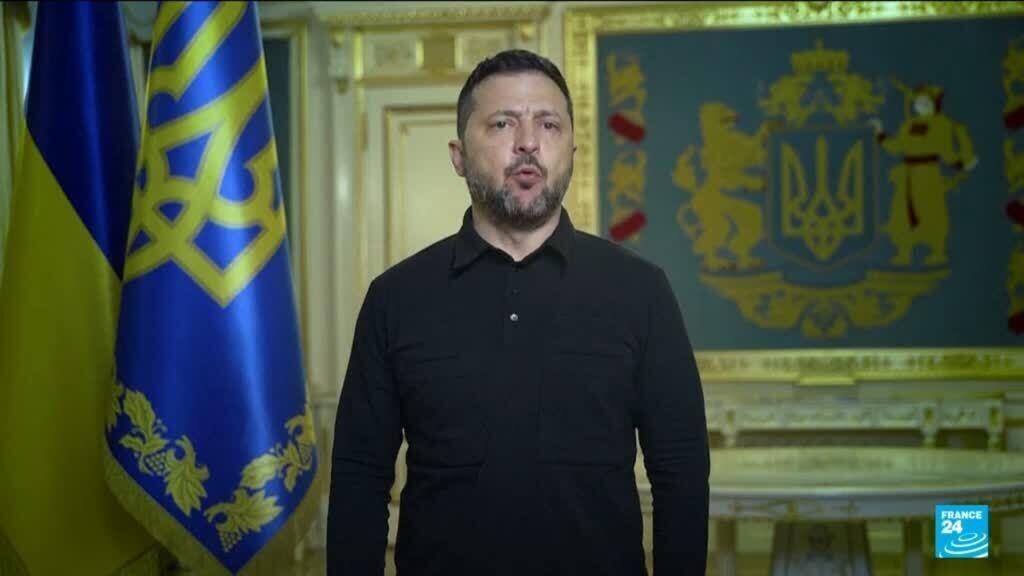
'The sky is for drones': Zelensky warns Russian skies unsafe for airlines
France24 ↗Zelensky says airlines should avoid Russian airspace as Ukraine escalates drone operations
BBC World ↗Ukraine formally warns airlines that Russian airspace is unsafe
Euronews ↗'Completely Unsafe': Zelenskyy Warns Russian Airspace Will 'Effectively Close' Amid Drone Threat
Top World News- News18.com ↗Zelenskyy warns airlines as Ukrainian drones target Russian airspace
Al Jazeera ↗Russia kills at least 12 on sixth night of drone attacks on Kyiv
The Guardian ↗Russian air attacks kill 12 in Kyiv region on 6th day of strikes
CBC News ↗How it started
The conflict between Ukraine and Russia has been marked by repeated aerial attacks in recent weeks. Russian forces have carried out missile and drone strikes against Ukrainian cities, with Kyiv suffering six consecutive days of attacks leading up to September 1. According to Deutsche Welle and other outlets, these Russian strikes resulted in significant casualties, including at least 12 deaths in the Kyiv region, with one Indian citizen among the victims, as Ukrainian President Volodymyr Zelenskyy confirmed.
In response to the intensifying Russian attacks, Ukraine has expanded its use of drones to target Russian infrastructure and military sites. The Ukrainian government has made it clear that these drone operations are a direct answer to the ongoing missile barrages from Russia.
How it unfolded
On September 1, Ukraine launched what it described as one of its largest drone strikes yet against Moscow and the surrounding region. The BBC and other outlets reported that more than 600 drones were sent towards targets in Russia. Russian authorities claimed to have intercepted over 800 drones, but these figures have not been independently verified and there is some discrepancy between the reported numbers.
In the aftermath of the drone assault, President Zelenskyy issued a high-profile warning to airlines, insurers, and governments, urging them to avoid Russian airspace. He said that Ukrainian drones would continue to operate over Russia for the duration of the war, making the skies "completely unsafe" for civilian flights. This warning was echoed across multiple international outlets, including the Financial Times, France24, and Deutsche Welle, which noted that Kyiv had formally notified international aviation authorities about the increased risk to civilian aircraft.
The Kremlin responded harshly, with President Vladimir Putin labeling Ukraine's drone campaign as "state terrorism," according to DIE WELT and other European outlets. Despite the accusations, Ukraine insisted it was not targeting civilian aircraft and that the drone operations were focused on military objectives. Meanwhile, Russian missile and drone attacks on Ukraine continued, marking a dangerous escalation in the use of air power by both sides.
Where it stands
As of September 2, Ukraine's drone campaign shows no sign of slowing. Kyiv has formally warned the international aviation community, and several major outlets report that airspace over Russia is now considered highly risky for civilian flights. The situation has already begun to affect travel, with airlines and insurers reviewing their operations in Russian skies.
Both Ukraine and Russia are on high alert, and the aerial conflict is entering a new and unpredictable phase. The use of drones on this scale is a significant escalation, and the risk to both military and civilian targets has increased.
What to watch
International aviation authorities and airlines are under pressure to respond to Ukraine's warnings. It remains to be seen whether global carriers will suspend flights over Russian territory and how insurers will adapt. The ongoing drone and missile exchanges also raise questions about further escalation and possible retaliatory moves by Russia.
More in World
All →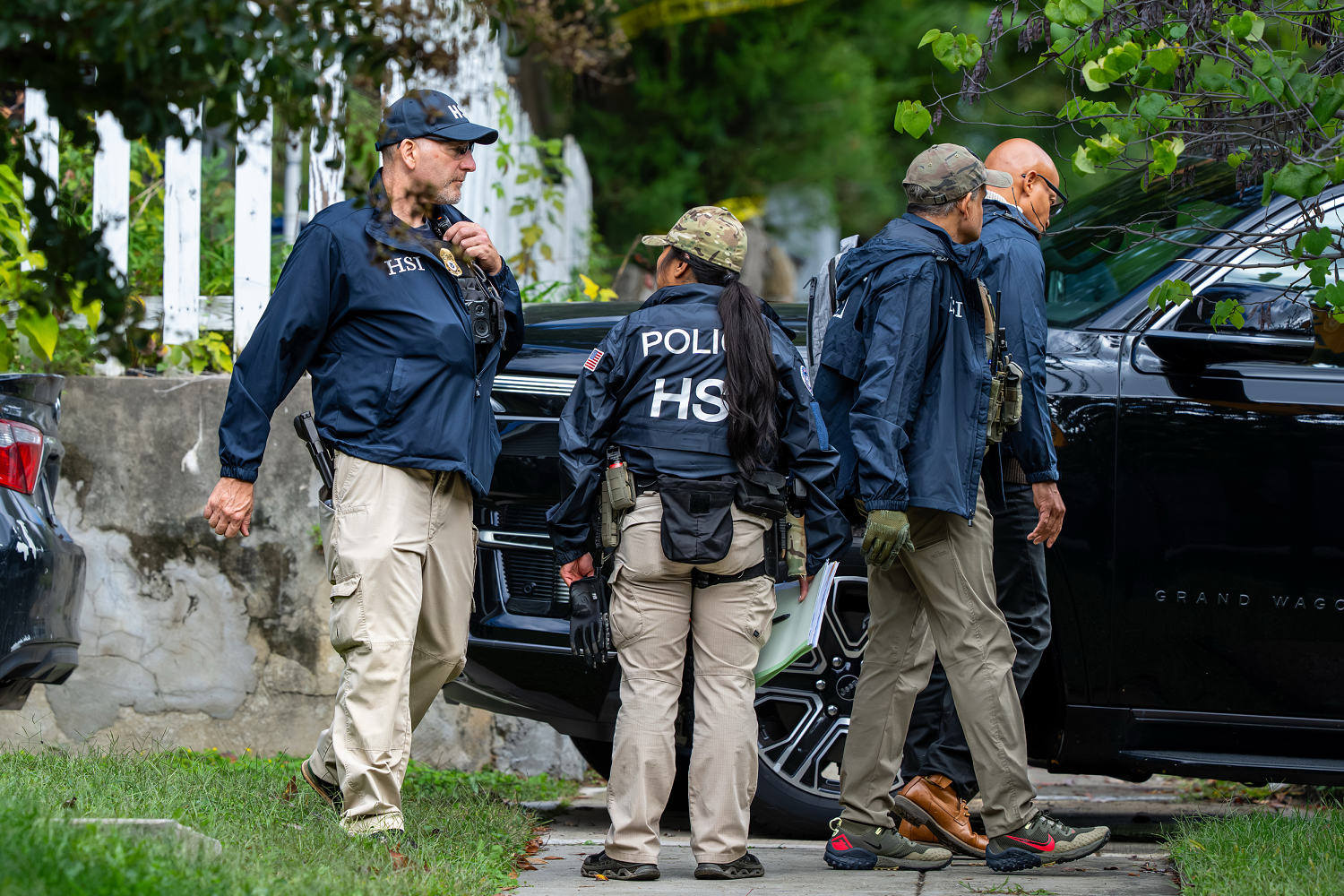
Trump Demands Omar Resign as Immigration Probe Draws Political Scrutiny
President Donald Trump has escalated his attacks on Rep. Ilhan Omar as she denies immigration fraud allegations and says threats following a federal search are forcing her to move.
21 sources · over 4 days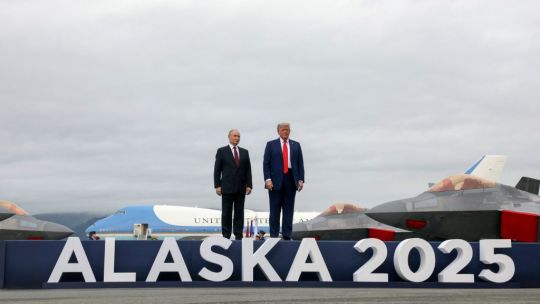
Trump Eases Russian Energy Sanctions as Peace Push Meets Fresh Attacks
Trump's easing of Russian energy sanctions has drawn criticism in Washington and widened differences with Ukraine, while proposed peace talks face fresh uncertainty after attacks on Kyiv.
72 sources · over 7 days
Musk Ordered Satellite Internet Slowdown That Ukraine Says Hampered Its Defenses
Reports that Elon Musk ordered restrictions on Ukraine's military satellite internet have raised concern over a service described as essential to its operations against Russia.
51 sources · over 4 days