
Ukraine Resumes Russian Refinery Strikes as US Pushes Gas Transit Plan
Renewed Ukrainian drone attacks on Russian refineries coincide with a reported US effort to restart Russian gas sales through Ukraine, despite European resistance and doubts about timing.
By Hushread Stories, from 15 outlets · First published 4 Nov 2026
In brief
- Ukraine resumed attacks on Russian oil refineries after a pause of almost a month amid pressure from Donald Trump.
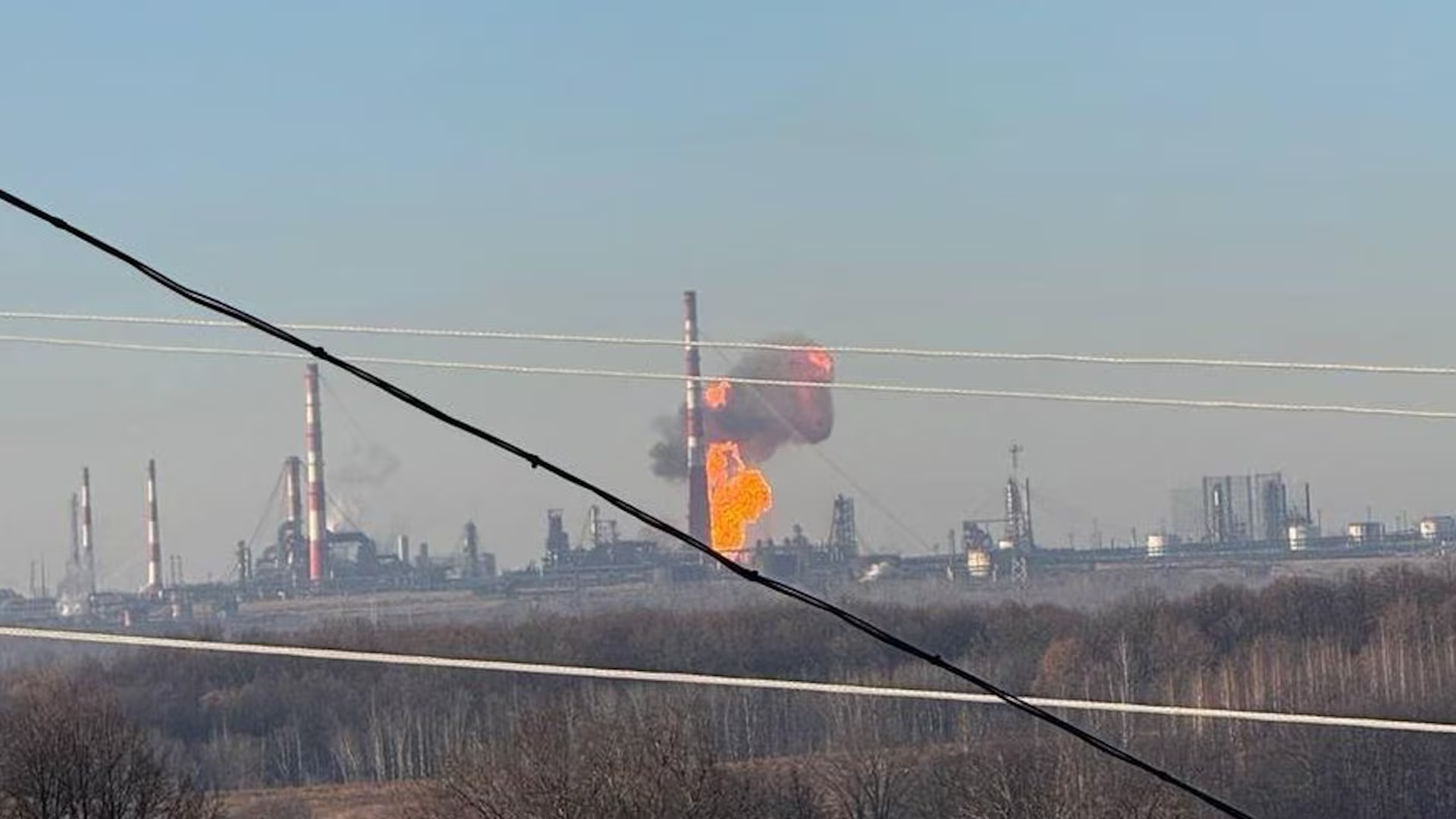
- Reported strikes hit Novokuibyshevsk in Russia's Samara region on October 30 and Bashneft Novoil in Ufa the following day.
- US officials are promoting renewed Russian gas sales to Europe through Ukrainian pipelines as part of energy ceasefire negotiations.
- European officials reportedly showed no interest, while Russia's presidential spokesman said an immediate resumption of exports was impossible.
- Trilateral talks in Abu Dhabi are scheduled for mid November, with an energy ceasefire sought before winter.
Timeline · 6 moments
European resistance and Russian timing objections complicate gas proposal
産経ニュース ↗Abu Dhabi talks scheduled as officials seek energy ceasefire
The Independent ↗US push to restore Russian gas transit reported
WSJ ↗Ukraine attacks another Russian refinery in Ufa
Infobae ↗Russia warns refinery attacks could affect global fuel supplies
RT en Español - Noticias ↗Ukraine attacks Novokuibyshevsk refinery despite pressure from Trump
Infobae ↗How it started
Ukraine's latest refinery attacks followed an interruption lasting almost a month amid pressure from US President Donald Trump, according to Infobae. The renewed strikes put Russian oil processing facilities back in the firing line while Washington pursued a halt to attacks on energy infrastructure.
Times of India reported that the resumption followed a US proposal for a temporary halt. Ukrainian President Volodymyr Zelenskyy said the strikes were a response to continuing Russian attacks.
How it unfolded
On October 30, Ukraine again attacked the Novokuibyshevsk refinery in Russia's Samara region, according to Infobae. The report described the strike as taking place despite repeated pressure from Trump.
That day, RT en Español reported a Russian warning that attacks on its refineries could affect global fuel supplies. It cited Russian Deputy Prime Minister Alexánder Novak as saying Ukrainian drones had attacked three oil refineries and a petrochemical complex.
On October 31, Infobae reported a further drone attack on the Bashneft-Novoil refinery in Ufa. That followed the previous day's resumption of strikes against the sector.
On November 2, The Wall Street Journal reported that the US was pushing to restore Russian natural gas sales to Europe through pipelines crossing Ukraine. Bloomberg, citing that report, said US officials were promoting the plan.
The proposed arrangement would use a US intermediary to sell Russian gas to European buyers, potentially bypassing European sanctions, according to News18. The Independent reported that White House officials wanted an energy ceasefire before winter and that trilateral talks in Abu Dhabi were scheduled for mid-November.
Where it stands
The coverage describes a US proposal, not an agreed restart of gas deliveries. Sankei News, citing the US reporting, said Washington had presented the plan to Russia and Ukraine as part of negotiations aimed at stopping attacks on energy facilities.
There are obstacles on both the buying and supplying sides. According to Sankei News, European officials showed no interest because the arrangement would renew dependence on Russian energy. The same report said Russian presidential spokesman Peskov considered an immediate resumption of exports impossible.
The refinery strikes and the gas proposal concern different energy supplies, oil processing and natural gas transit. Their connection is the effort to negotiate a pause in attacks on energy infrastructure while Ukraine says its strikes respond to Russian attacks.
What to watch
The next scheduled diplomatic step is the mid-November trilateral talks in Abu Dhabi reported by The Independent. The immediate issues are whether an energy ceasefire can be agreed and whether the proposed gas arrangement attracts European buyers.
The available coverage does not establish that either side has accepted a new halt to energy attacks. It also leaves unresolved how a US intermediary would operate, how sanctions would be handled and when pipeline sales could resume.
More in World
All →
Florida Learjet Crash Kills Nine as Investigators Examine Possible Midair Breakup
Investigators are examining whether the Bahamas-bound jet broke apart before crashing in Palm Beach County, as relatives identify victims including a young co-pilot and a family.
61 sources · over 3 days
Two Helicopters Collide in Nepal's Everest Region, Killing an Indian Tourist
One person was killed when two helicopters collided during landing in Nepal's Solukhumbu district, with reports differing on injuries and passenger numbers still unconfirmed.
33 sources · today
US strikes Iran's Qeshm Island as post-election military options draw scrutiny
Limited US strikes ahead of the midterms have sharpened fears of renewed fighting, while mediators pursue a deal and Washington considers further military action.
70 sources · over 4 days