
Ukraine Starlink Restrictions Spark Dispute Over White House Role and Restoration
Restrictions on Ukraine's satellite access disrupted military operations, exposing its dependence on US technology as conflicting accounts emerge over who ordered the limits and whether service is fully restored.
By Hushread Stories, written with AI from 65 outlets · First published 16 Oct 2026 · Chapter 3 of 3
Earlier: White House Ordered Temporary Starshield Restrictions for Ukraine, Sources Say
In brief
- Ukraine reported sudden satellite service restrictions on Wednesday that hampered drone attacks and air defence operations.
- The disruption involved Starshield, SpaceX's military version of Starlink, which Ukrainian forces rely on for battlefield communications.
- Reports citing sources place the order inside the White House, while President Donald Trump denies responsibility.
- Officials reported restored access, but a later account attributed to Volodymyr Zelenskyy said restoration remained incomplete.
- Republican and Democratic senators are seeking an investigation, while Ukraine pursues European alternatives to American systems.
Timeline · 6 moments
Trump denies ordering restrictions on Ukraine's satellite access
New York Post ↗Ukraine pursues European alternatives to US defence systems
Euronews ↗Sources place restriction order inside the White House
Japan Times ↗Senators seek investigation into responsibility for satellite disruption
NYT Politics ↗Ukrainian official reports satellite services restored to capacity
Axios ↗Ukraine reports restrictions hampering attacks and air defence
Latest news, sport and opinion from the Guardian ↗How it started
Ukraine reported restrictions on its access to SpaceX's satellite services on Wednesday, October 14. The limits hampered both attack operations and air defence, according to The Guardian.
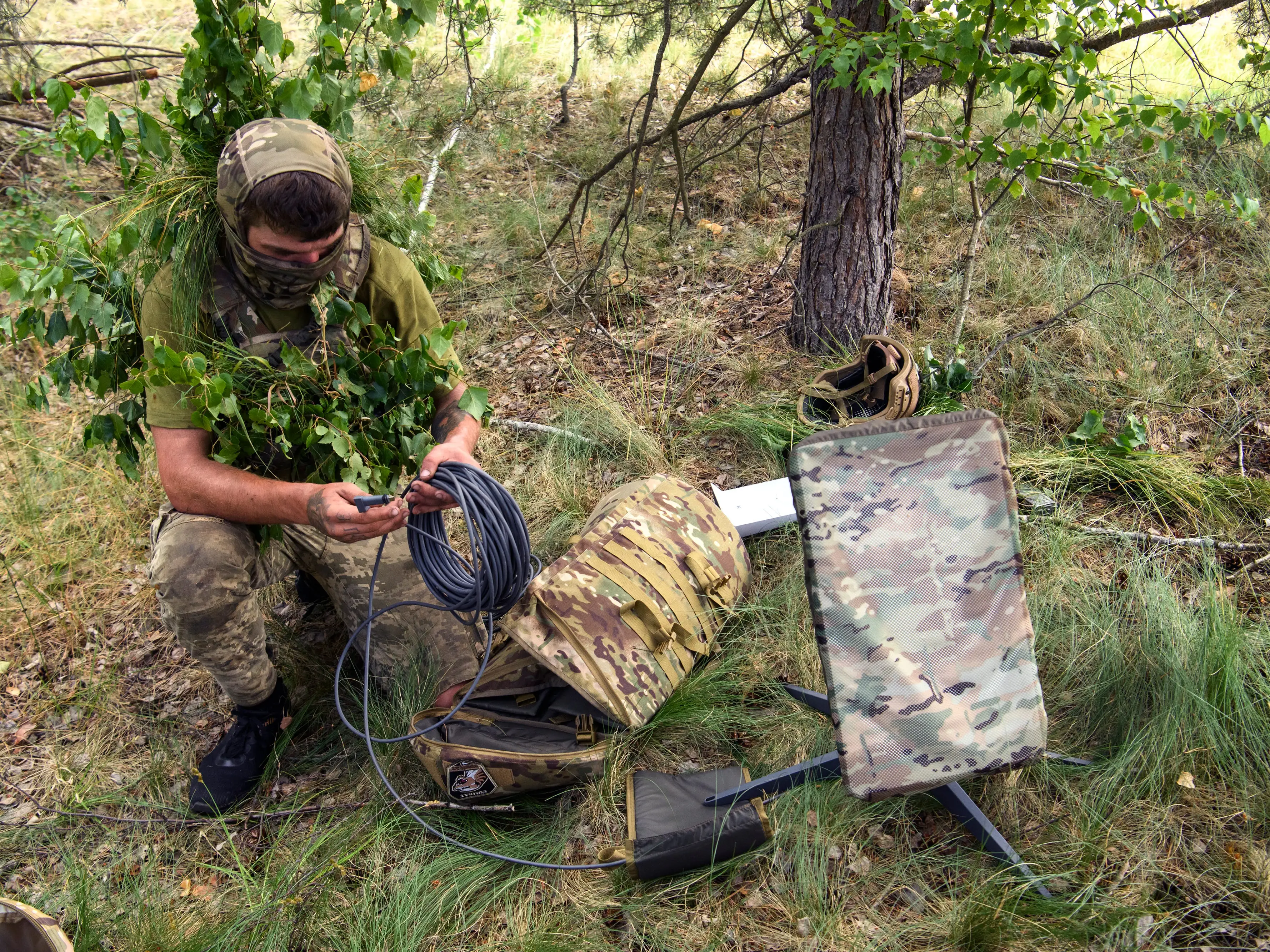
At the centre of the dispute is Starshield, the military-grade version of Elon Musk's Starlink satellite internet service. Ukraine relies on it in its war against Russia, Al Jazeera explained. Satellite access supports wartime communications and drone guidance, according to BBC News.
The effects went beyond slower communications. The Independent reported that speed restrictions, imposed remotely without notice, contributed to multiple Ukrainian mission failures.
How it unfolded
By October 15, attention had shifted to who authorised the restrictions. Musk suggested US involvement, according to BBC News. But a senior US official said President Donald Trump had never requested restrictions on Starshield, contradicting Musk's account, Times now reported.
Reports of recovery also emerged on October 15. A Ukrainian official told Axios that Starlink and Starshield services had returned to full capacity. Sources separately told Business Insider that access to military-grade services was returning.
That day, Republican and Democratic senators called on the Pentagon's inspector general to investigate whether the Trump administration was responsible for the interruption, according to NYT Politics.
On October 16, The Japan Times reported, citing sources, that the order to limit Starshield came from inside the White House. Its report placed the temporary restrictions alongside US pressure on Kyiv to stop attacking Russian refineries. That does not establish that Trump personally ordered the limits.
Trump denied responsibility on October 16 and also questioned whether service had been slowed, according to New York Post. Meanwhile, The Guardian reported that UK defence secretary Wes Streeting said Ukraine's access had been restored.
Where it stands
Accounts of restoration conflict. Alongside the reports of restored service, an October 16 headline carried by World News News attributed to Volodymyr Zelenskyy a statement that military access was still not fully restored. The supplied coverage does not resolve that discrepancy.
Responsibility is also disputed. Source-based reporting points to the White House, while Trump denies ordering restrictions. Four Republican senators have joined Democratic colleagues in pressing the administration for information about whether Pentagon officials ordered the limits, The Hill reported.
The interruption has exposed a capability Europe cannot quickly replace. EU foreign policy chief Kaja Kallas acknowledged that the EU could not replace Starlink's capacity in the short term, according to Le Monde.
What to watch
The immediate questions are whether Ukrainian forces have unrestricted access across their operations and who authorised the disruption. Senators' requests for information and an inspector general investigation could help establish the decision-making chain, though the coverage does not establish that an investigation has begun.
Ukraine is also seeking European alternatives to US air defences and Starlink. A senior Ukrainian presidential official told Euronews that concrete plans were being pursued. The practical test is whether those efforts can reduce dependence on systems European officials acknowledge they cannot yet replace.
More in World
All →
Norwegian Teenager Sentenced to 20 Years Over UK Murder Plot
The 19-year-old was sentenced on Friday over a planned killing linked to an Iran-backed gang, but whether he can serve his sentence in Norway remains unresolved.
14 sources · over 2 days
Delhi Central Park Shut as Police Detain CJP March Organisers
Police detained Abhijeet Dipke and Neha Bora before the CJP flag march, while supporters were stopped in Connaught Place and flash protests followed.
21 sources · over 4 days
Pakistan School Roof Collapse Kills at Least 34 Children and a Teacher
Families demand justice after the collapse in Peshawar, as authorities order school inspections and reports give differing death tolls.
48 sources · over 2 days