
US Adds Singapore's Megaspeed and Six Affiliates to Trade Blacklist Over Nvidia Chip Diversion Fears
Washington has put the cloud firm at the center of the Nvidia scandal on its Entity List, on the same day Jensen Huang returned as Nvidia's CEO.
By Hushread Stories, from 12 outlets · First published 24 Nov 2026
In brief
- The US Commerce Department's Bureau of Industry and Security added Singapore-based Megaspeed International and six affiliated companies to the Entity List on Monday, November 23.
- The listed firms are spread across Singapore, Malaysia and Thailand, and the stated concern is possible diversion of advanced computing products.
- Semafor had reported the plan beforehand, and coverage said a criminal export-control investigation involving Nvidia was still continuing.
- The move came the same day Jensen Huang was reinstated as Nvidia's CEO, after a scandal that briefly cost him the job.
- Bloomberg reported that a Singaporean subsidiary of Alibaba Group was also blacklisted, a setback for the Chinese company's AI ambitions.
Timeline · 6 moments
Al Jazeera confirms export control listing of seven entities
Al Jazeera ↗Bloomberg reports Alibaba's Singapore subsidiary also blacklisted
Bloomberg Technology ↗Listed firms span Malaysia, Singapore and Thailand, citing diversion risk
reddit.com ↗Jensen Huang reinstated as Nvidia CEO the same day
Deutsche Welle ↗Commerce adds Megaspeed and six affiliates to Entity List
BigGo Finance — Real-time Stock Quotes, Financial & Business News ↗Semafor reports US plans to blacklist Megaspeed
The Defiant ↗How it started
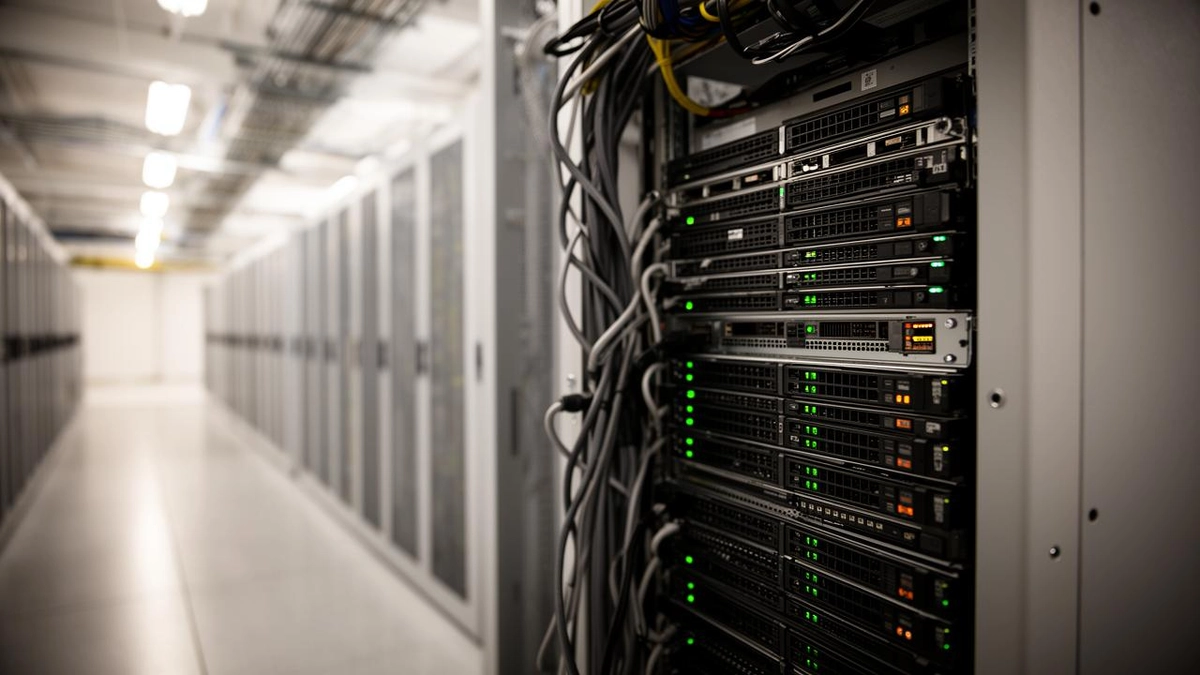
Megaspeed is a Singapore-based cloud service provider that became a customer of Nvidia and then, according to the coverage, the company at the center of a scandal involving the chipmaker.
The core worry is familiar in US export policy. Advanced computing chips are restricted from going to certain destinations, and regulators fear they can be routed through third countries by intermediaries. India Today framed the blacklisting as coming amid an espionage probe involving Nvidia, while The Defiant noted that a criminal export-control investigation was continuing.
The affair was serious enough that, per Bloomberg, it briefly cost Jensen Huang his post at Nvidia.
How it unfolded
The first sign of action came from a Semafor report, relayed by The Defiant on November 23, saying the US planned to put Megaspeed on the Entity List. The Defiant described the reported move as extending restrictions beyond Nvidia's own no-sell policy toward the company.
Later that day it happened. BigGo Finance reported that the Bureau of Industry and Security added Megaspeed International and six affiliated companies, seven in total, to the Entity List on Monday, November 23, local time. Reddit users shared a report citing diversion risk and naming firms across Malaysia, Singapore and Thailand.
The timing drew attention. Deutsche Welle noted that the news came the same day Huang was reinstated as Nvidia's CEO, and the Indian Express described the blacklisting as arriving hours after his return. Die Zeit read it as the US government trying to head off further damage after Huang's comeback.
On November 24, Al Jazeera and US Top News reported the listing as covering Megaspeed and six other entities over concerns about diversion of advanced computing products. Bloomberg added a detail the other summaries did not: a Singaporean subsidiary of Alibaba was blacklisted alongside several Megaspeed-affiliated entities.
Where it stands
Megaspeed and its six affiliates are now on the US trade blacklist, which restricts the supply of controlled items to them. Die Welt described the result as a supply stop for the firm that suddenly came under scrutiny through the Nvidia affair.
The coverage differs slightly on the details. Most outlets speak of Megaspeed plus six other entities, while Bloomberg's account emphasizes an Alibaba-owned Singapore subsidiary among those listed. The summaries provided do not spell out how those two descriptions fit together.
What to watch
The criminal export-control investigation is still open, according to The Defiant, so further findings or charges remain possible. The coverage does not say when that might conclude.
Also open is how Nvidia, now back under Huang, handles its relationships with customers and resellers in the region, and whether other Southeast Asian intermediaries draw similar scrutiny. None of the provided coverage addresses either point directly.
More in Technology
All →
India warns users to log out of WhatsApp Web on shared computers
A government advisory says a forgotten WhatsApp Web session on an office or public computer can let criminals read chats and impersonate users, and closing the browser does not end it.
13 sources · today
Google launches Gemini 4 Neon, a mid-priced AI model aimed at coding and enterprise work
Google's fourth Gemini 4 model in under two months lands between Hydrogen and Carbon at $3 and $15 per million tokens, pressing rivals on coding performance and price.
48 sources · over 6 days
Trump Threatens 'Tremendous Tax' on US Firms Building AI Data Centers Abroad
President Donald Trump says American tech companies that put AI data centers in other countries will be taxed or blocked, but he has offered no details on how it would work.
42 sources · over 4 days