
US Airstrike on Iranian Wedding Sparks Deadly Retaliation and Regional Escalation
A US missile strike on a wedding in southern Iran killed civilians and triggered a wave of Iranian attacks on American military bases across the Middle East, raising fears of wider conflict.
By Hushread Stories, from 26 outlets · First published 5 Sept 2026
In brief
- A US airstrike hit a wedding celebration in the Iranian town of Kuhestak, killing at least four civilians and injuring over sixty.
- Iranian officials and independent analyses say the explosion was caused by a direct hit from a US munition, not an errant missile.
- Iran called the attack a war crime and launched retaliatory strikes on US military bases in Kuwait, Iraq, and the UAE.
- The US government has begun an internal investigation into the strike, but senior officials remain skeptical of Iran's casualty reports.
- Tensions remain high as both sides exchange threats, and the United Nations has called for de-escalation and a full investigation.
Timeline · 10 moments
Kuhestak mourns victims as anger grows
Tehran Times ↗US military launches internal review of strike
Axios ↗Iran continues attacks on US military targets in Gulf
Japan Times ↗Experts say US munition likely caused wedding explosion
World News CNA ↗Funeral held for child killed in wedding strike
Al Jazeera ↗US Vice President says strike being investigated, expresses skepticism
BBC News ↗UN expresses deep concern over civilian deaths
ISNA (English) ↗Iran launches retaliatory attacks on US bases in region
The Indian Awaaz ↗Iran condemns attack as war crime, reports casualties
Latest news, sport and opinion from the Guardian ↗US missile strike hits wedding in southern Iran
The New York Times ↗How it started
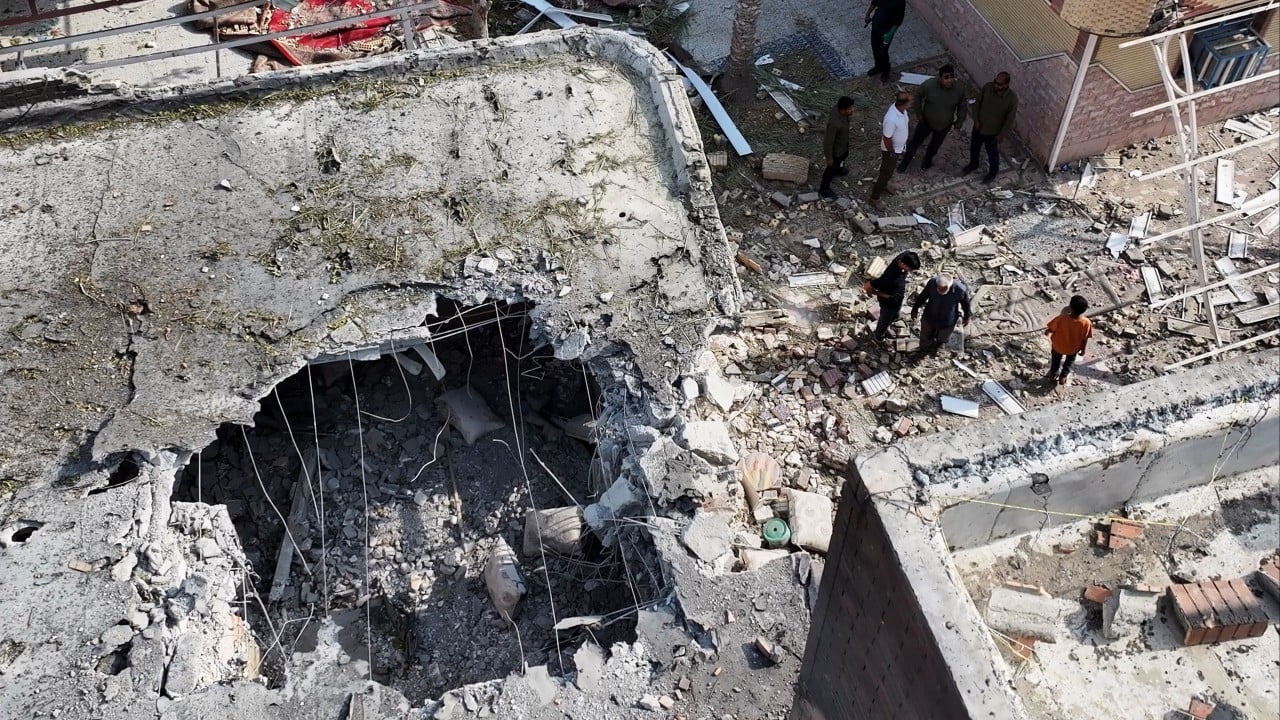
On September 1, a US missile strike hit a private home in the southern Iranian town of Kuhestak during a wedding celebration. The attack killed at least four people, including a child, and wounded more than sixty others, according to Iranian officials and eyewitnesses.
Iran quickly condemned the strike as a war crime and accused the United States of targeting civilians. The incident shattered a brief period of relative calm in the region, and the images of devastation from the wedding prompted outrage both inside Iran and among its allies.
How it unfolded
Shortly after the strike, Iranian authorities and local media reported civilian casualties and extensive damage at the wedding site. Independent weapons experts and journalists analyzed footage and concluded the explosion was likely caused by a US-made munition, not by Iranian air defense.
On September 2, Iran launched retaliatory attacks on US military bases and facilities in Kuwait, Iraq's Kurdistan region, and the United Arab Emirates. These strikes heightened concerns among neighboring states, some of which reported intercepting Iranian drones and missiles.
The US response was cautious. Vice President JD Vance said the government was investigating the incident, but he expressed skepticism about Iranian casualty claims and denied that a war was underway. The UN Secretary-General and humanitarian organizations voiced deep concern over civilian deaths and called for restraint.
By September 4, multiple international outlets reported that three independent experts had confirmed the wedding explosion was almost certainly a direct hit from a US weapon. Funerals were held for the victims in Kuhestak, where mourning turned to anger against both the US and the ongoing conflict.
Where it stands
The US military has launched an internal review to determine how the strike on the wedding occurred and whether it was a targeting error or a broader operational failure. Iran maintains that the attack was deliberate and continues to label it a war crime.
Retaliatory attacks by Iran on US and allied bases have raised the risk of further escalation. Oil prices have spiked, and regional governments are on alert as the situation remains unstable. Diplomatic efforts are underway, but neither side has shown signs of backing down.
What to watch
The results of the US investigation into the wedding strike will be closely watched, especially if evidence of a targeting error or intelligence failure emerges. The international community is also monitoring whether Iran will escalate further or if diplomatic backchannels can prevent a broader conflict.
More in Politics
All →
Ramaswamy's Campaign Makes Amy Acton Ad and Plans $4 Million Buy
Vivek Ramaswamy confirmed his campaign produced the attack ad featuring Amy Acton's estranged mother and plans to spend $4 million airing it.
33 sources · over 5 days
Lula and Flávio Bolsonaro Take Brazil's Election Fight From Debate to Court
Days before Brazil's October 25 runoff, the rivals are seeking each other's disqualification after a bitter televised debate, while polls show a closely contested race.
36 sources · over 7 days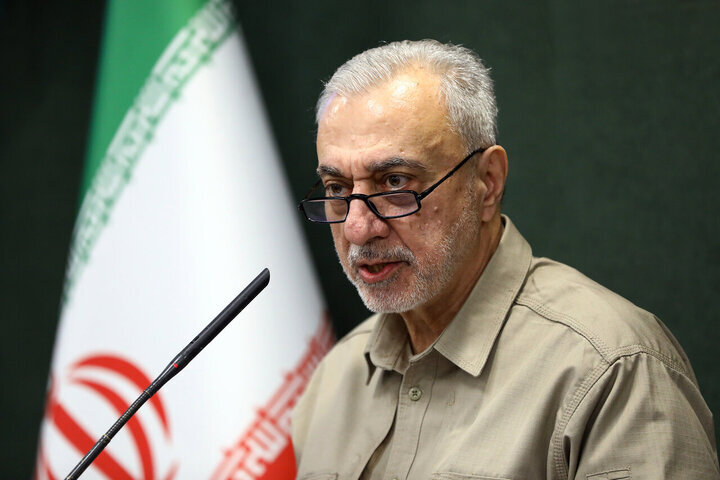
Iran's Parliament Approves Mehrdad Akhlaghi Ketabchi as New Defense Minister
The parliamentary vote confirms a veteran defense industry official as minister after his predecessor's killing, with Akhlaghi already addressing military capabilities and issuing warnings to the United States.
22 sources · over 5 days