
US imposes sanctions on ICC hours after Navi Pillay wins Nobel
The Trump administration announced full blocking sanctions against the International Criminal Court, escalating its campaign against the institution hours after former judge Navi Pillay won the Nobel Peace Prize.
By Hushread Stories, written with AI from 9 outlets · First published 9 Oct 2026
In brief
- The Trump administration announced sanctions against the International Criminal Court on Friday, October 9.
- Secretary of State Marco Rubio announced full blocking sanctions against the global judicial body.
- The announcement came hours after former ICC judge Navi Pillay won the Nobel Peace Prize.
- The sanctions target the court itself, which is based in The Hague in the Netherlands.
- The action forms part of a broader administration effort to dismantle the international court.
Timeline · 2 moments
Rubio announces full blocking sanctions against the ICC
The Hill ↗Former ICC judge Navi Pillay wins Nobel Peace Prize
Times of India ↗How it started
Former International Criminal Court judge Navi Pillay won the Nobel Peace Prize on October 9. Hours later, the Trump administration announced sanctions against the court, according to NDTV Profit.
The timing links the two events in the day's coverage. But the supplied reports do not establish that the Nobel award caused the sanctions. Deutsche Welle described the action as the latest in a series of administration steps aimed at dismantling the court.
How it unfolded
On October 9, coverage identified Pillay, a former ICC judge, as the Nobel Peace Prize winner. ABC reported that the sanctions decision followed hours after the award.
Secretary of State Marco Rubio announced Friday that the United States was imposing full blocking sanctions against the ICC, The Hill reported. The announcement targeted the institution itself.
TGcom24 reported that Rubio said transactions would be prohibited. The supplied coverage does not spell out the restrictions, exemptions or implementation timetable.
Where it stands
The announced sanctions target the Hague-based war crimes court, according to Middle East Eye. The Hill described the move as a sharp escalation in Washington's fight with the institution.
NDTV Profit reported that the action also escalated tensions with European allies over international justice. The supplied coverage contains no detailed response from the court or those allies, and does not explain how the sanctions will affect the court's daily work.
What to watch
More in World
All →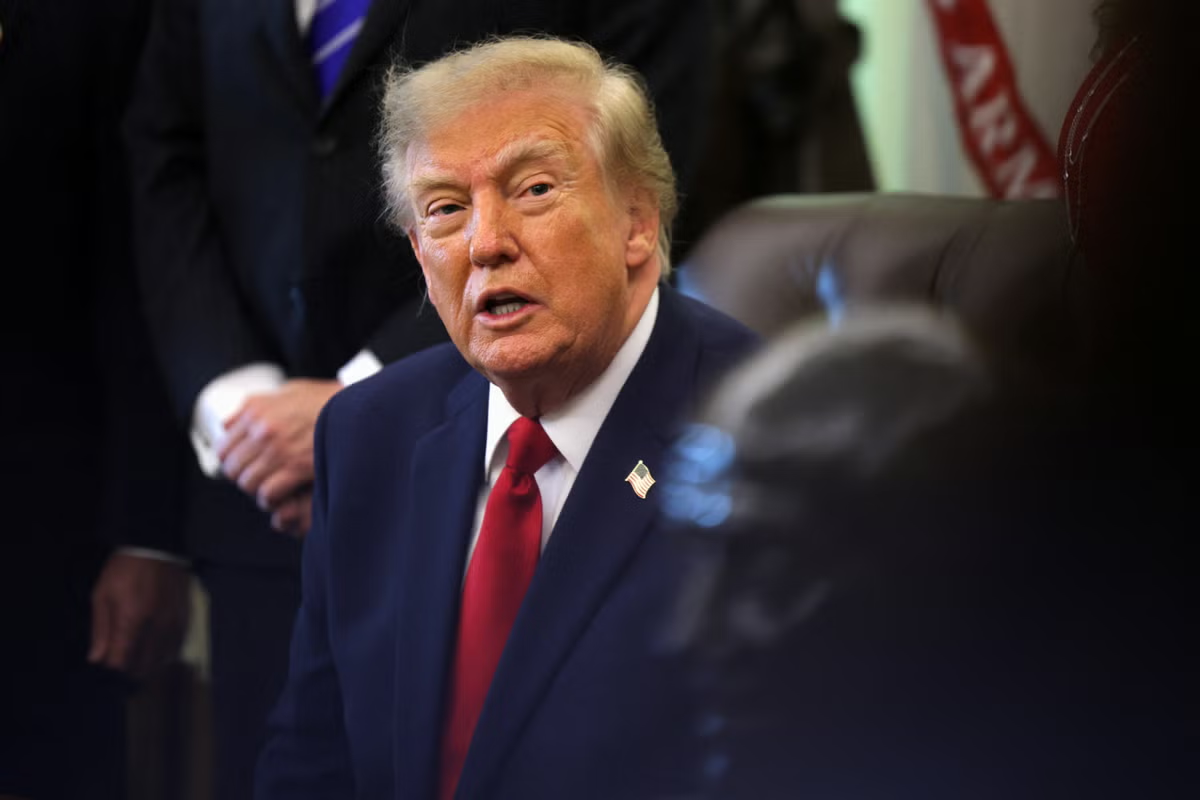
Trump's Nobel Peace Prize Push Ends With South African Winner Navi Pillay
After the 2026 Nobel Peace Prize went to South African human rights lawyer Navi Pillay, Donald Trump reposted criticism of the winner.
20 sources · over 2 days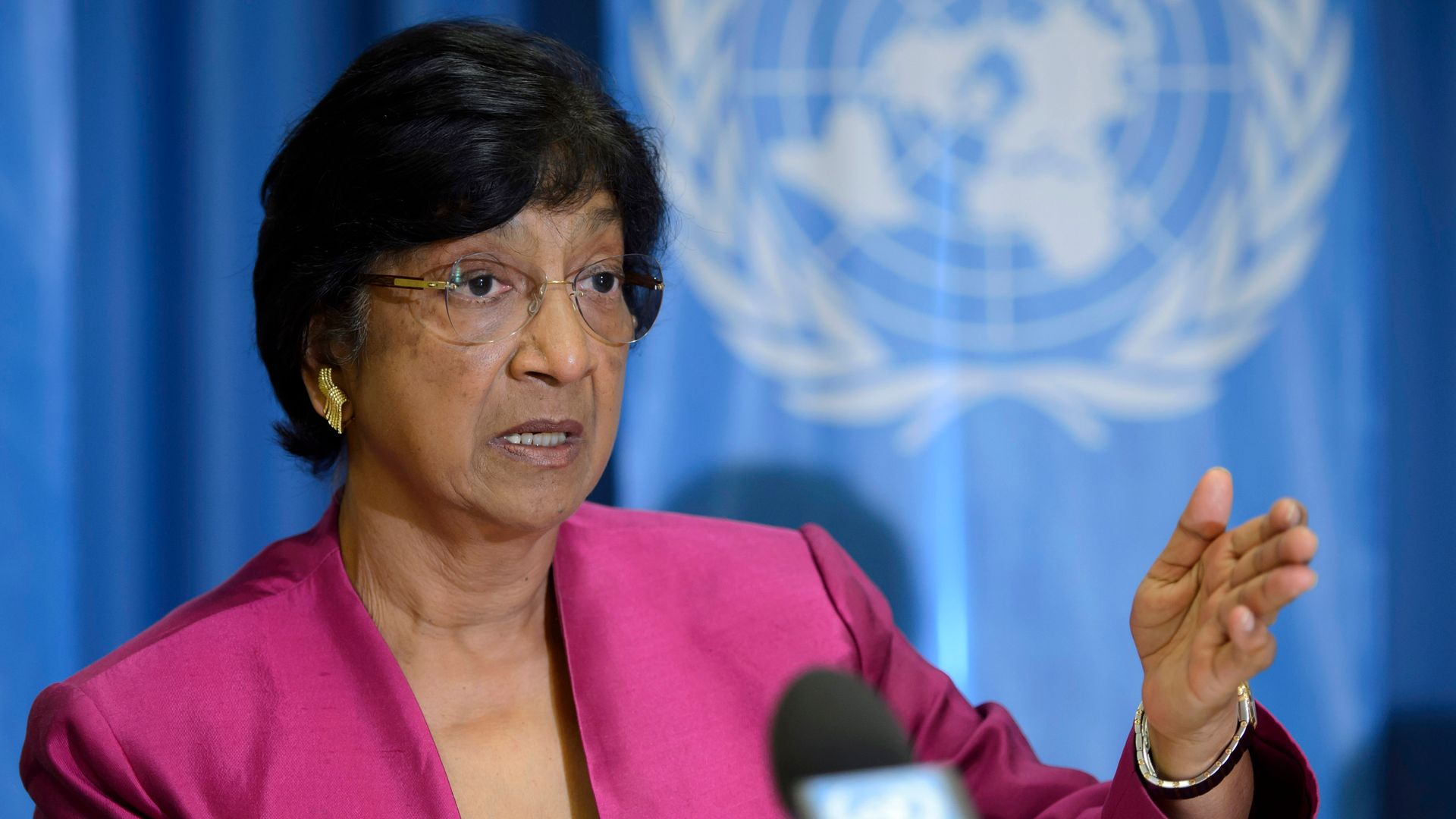
Navi Pillay wins 2026 Nobel Peace Prize for international law work
The South African jurist and former UN human rights chief has been recognised for promoting peace and international law, putting her work on global institutions at the centre of this year's award.
66 sources · over 2 days
Ukraine drone strikes hit two Yandex data centers in Russia
A second Yandex data center has been hit within 48 hours, widening disruption to Russian technology infrastructure as the company questions whether an affected facility can be restored.
15 sources · over 2 days