
US Midterm Voters Reject Data Centers as OpenAI Promises Changes
A sweeping local backlash has pushed OpenAI to promise community safeguards, while its commitment to keep investing sets up further fights over where AI infrastructure gets built.
By Hushread Stories, from 42 outlets · First published 7 Nov 2026 · Chapter 2 of 2
Earlier: OpenAI Pledges Data Center Safeguards After Voters Back Construction Limits
In brief
- Voters overwhelmingly backed restrictions on data centers, although reports differ on the number of successful ballot measures.
- Democrats opposing data center expansion won governor races in Texas, Ohio and Georgia, adding pressure on developers.
- OpenAI promised greater transparency, union engagement and payment of electricity and grid infrastructure costs for future facilities.
- OpenAI says it will continue investing in data centers despite the election results and growing political opposition.
- Developers are weighing alternative locations while Democratic lawmakers call for tougher limits, including a national moratorium.
Timeline · 6 moments
OpenAI CFO says data center investment will continue
CNBC ↗Meta warns election results could hinder AI expansion
AI News ↗Developers weigh overseas and desert sites amid political opposition
The Wall Street Journal Tech ↗Democratic winners and lawmakers call for tougher construction limits
CNBC ↗OpenAI issues new policies following the midterm backlash
ABCNews.com ↗Reports show sweeping voter support for data center restrictions
The Next Web ↗How it started
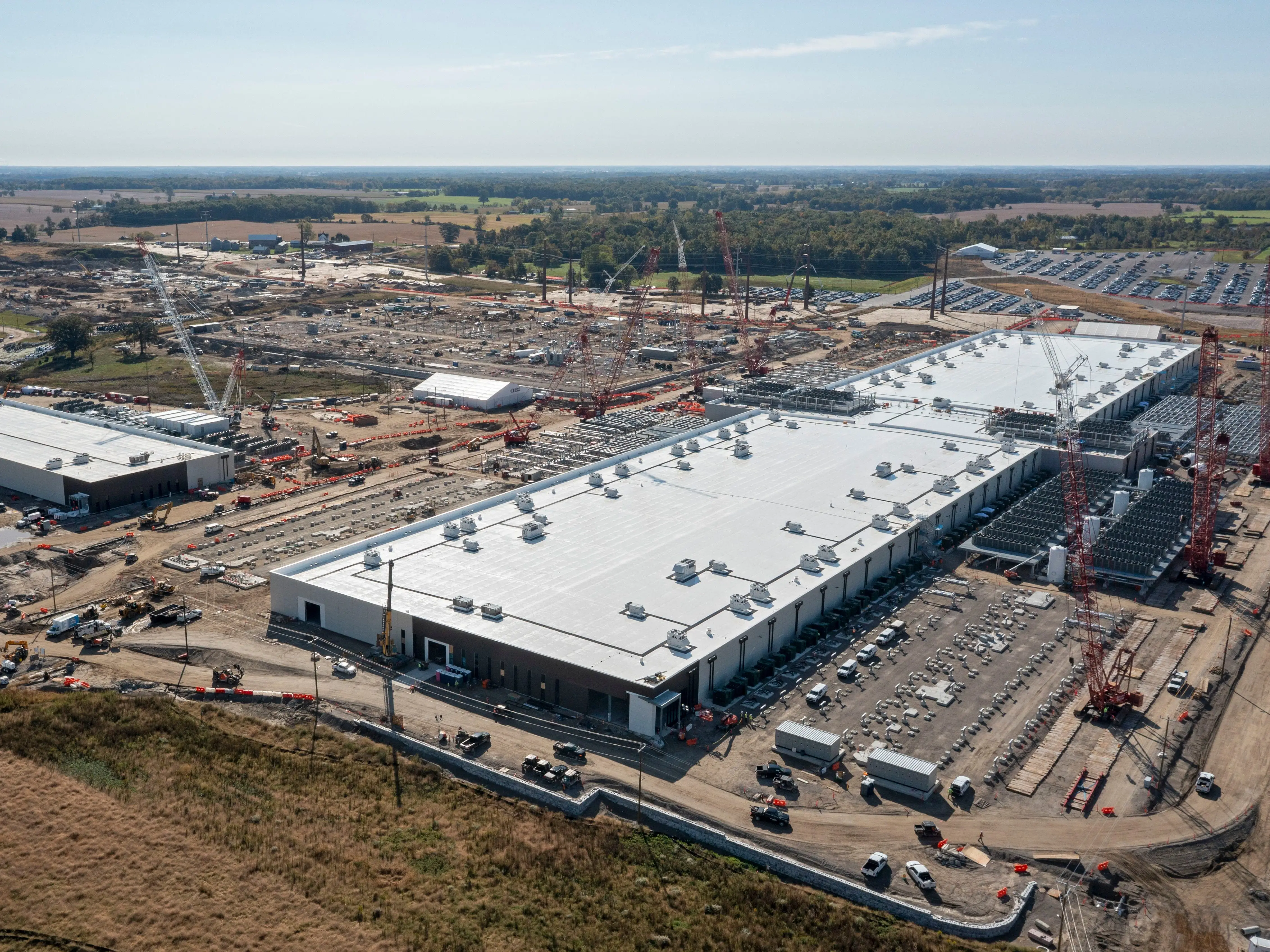
The US midterms turned the construction of AI infrastructure into an electoral issue. Voters backed local restrictions on data centers, while candidates promising to curb expansion won important state races, according to The Next Web.
The opposition extended beyond individual construction sites. Democrats who campaigned against the buildout won governor races in Texas, Ohio and Georgia, The Next Web reported. That creates political obstacles alongside the local ballot restrictions.
The scale of the ballot defeat is clear, but the precise count is not consistent across the coverage. Al Jazeera reported restrictions winning in 40 of 41 measures. Axios described a 43-to-1 defeat for data centers, while CBS reported that 44 restrictive measures passed.
How it unfolded
On November 5, OpenAI issued new data center policies following the election, according to ABC News. The company pledged to give communities more say in projects, The New York Times reported.
The commitments included paying electricity and grid infrastructure costs, publishing water and power consumption, and working with unions on local hiring and training, according to The Hindu. OpenAI said the pledges had been in development before the vote, Engadget reported.
The language changed, too. On November 5, The Hill reported that OpenAI's framework described the facilities as "compute campuses." By November 6, its proposed National Community Compact included reduced power consumption during peak hours and public progress reporting, according to Business Line.
Political demands went further than voluntary commitments. On November 5, CNBC reported calls from Democratic winners and progressive lawmakers for tougher limits, including a national data center moratorium.
On November 6, OpenAI's CFO told CNBC that the company would keep investing in AI data centers despite the election results. The same day, The Wall Street Journal reported that developers were weighing alternatives, including overseas locations and construction in the desert.
Where it stands
OpenAI is promising changes to how it builds, not a halt to expansion. Its continued investment commitment leaves a gap between the industry's plans and the restrictions voters and newly elected officials support, as reflected in reporting by CNBC and The Hindu.
The consequences are reaching other companies and investors. Meta warned that the results would make its AI expansion harder, according to AI News. Bloomberg Technology reported falling share prices for so-called neocloud companies as contests swung toward candidates promising tougher construction restrictions.
What to watch
The next test is whether campaign promises become binding restrictions. Calls for a national moratorium, reported by CNBC, are demands rather than an enacted nationwide freeze. In Texas, Forbes reported that a permit freeze invoked by Gov. Abbott could become permanent policy under incoming Gov. Gina Hinojosa.
OpenAI's promises also face an implementation test: whether communities receive the disclosures, cost protections and hiring commitments described by The Hindu. Developers' consideration of overseas and desert locations, reported by The Wall Street Journal, leaves another open question: how much construction will move rather than stop.
More in Technology
All →
Google, Meta and TikTok Sue to Block California Child Safety Law
Three separate lawsuits challenge California's restrictions on social media features for children under 16, setting up a free speech fight before the law's scheduled January 1 start.
13 sources · over 2 days
Amsterdam Microsoft Site Breached as European Data Centre Protests Spread
The Amsterdam action has brought a coordinated European campaign into sharper focus, with mass arrests and demands to pause large data centre projects over environmental and social costs.
33 sources · over 3 days
OpenAI launches GPT-6 Cyber after Astra held back on safety tasks
OpenAI says its new cybersecurity model finds vulnerabilities while respecting research limits, following disclosures that Astra quietly withheld help on some internal safety tasks.
29 sources · over 4 days