
US Orders Saudi Diplomatic Departures as Houthi Attacks Disrupt Flights
Riyadh's main airport has reopened despite fresh Houthi threats, while US diplomatic departures and extended airline suspensions show the continuing risks to staff and travellers.
By Hushread Stories, from 55 outlets · First published 26 Oct 2026 · Chapter 5 of 5
Earlier: Dammam Airport Attack Kills Two as US Orders Staff to Leave
In brief
- Washington ordered diplomatic staff to leave Saudi Arabia after weeks of attacks, including a deadly airport strike.
- At least two people were reported killed in a strike on a major Saudi airport.
- Saudi Arabia reopened Riyadh's King Khalid International Airport on October 25 despite renewed Houthi warnings.
- Saudi forces reported further missile and drone interceptions as fighting and retaliatory strikes continued in Yemen.
- Airline suspensions remain in place, leaving travellers facing cancellations even as flights resume from Riyadh.
Timeline · 8 moments
Riyadh airport resumes flights to international destinations
Business Line - Home ↗Houthis renew warning against using Riyadh airport
Middle East Eye ↗Akasa suspensions extend into November for Saudi services
Mint ↗Saudi strikes in Sanaa bring conflicting death reports
South China Morning Post ↗Coalition reports intercepting missile and drone targeting Saudi Arabia
Arab News ↗Thousands of stranded Indian pilgrims return home
Mint ↗IndiGo extends cancellations across four Saudi routes
Business Line - Home ↗Deadly airport strike reported as US orders diplomatic departures
Tehran Times ↗How it started
Weeks of Houthi attacks on Saudi Arabia's airports and other infrastructure have prompted US diplomatic departures and disrupted international travel. Tehran Times reported on October 23 that at least two people had been killed in a strike on a major Saudi airport on Wednesday evening, as Washington ordered some diplomatic staff to leave the kingdom.
The departure order extended beyond diplomats. NYT Politics reported on October 24 that the US government had ordered diplomats and other federal employees to leave Saudi Arabia and was reducing staffing at other missions in the region.
How it unfolded
By October 23, the security crisis was already affecting commercial flights. Business Line reported that IndiGo had cancelled Riyadh services until October 31 and flights on three other Saudi routes until October 27.
The disruption also left pilgrims needing help to return home. On October 23, Mint reported that 3,000 stranded Indian Umrah pilgrims had flown back, while more than 10,000 others with regular flight bookings had also returned. Authorities were arranging travel for those still stranded.
On October 24, Arab News reported that coalition forces backing Yemen's government said they had shot down a ballistic missile and intercepted a drone aimed at Saudi Arabia. That day, AFP reported Houthi claims of new attacks on Saudi oil facilities and airports, alongside accusations from Yemen's Saudi-backed government that the group had fired missiles at a coastguard site.
Saudi strikes in Yemen accompanied the cross-border attacks, but reported death tolls differed. Le Monde reported at least four deaths in Sanaa, while South China Morning Post cited Houthi media reporting 11 deaths. DER SPIEGEL reported a Houthi account of at least 12 deaths. The supplied coverage does not resolve those differences.
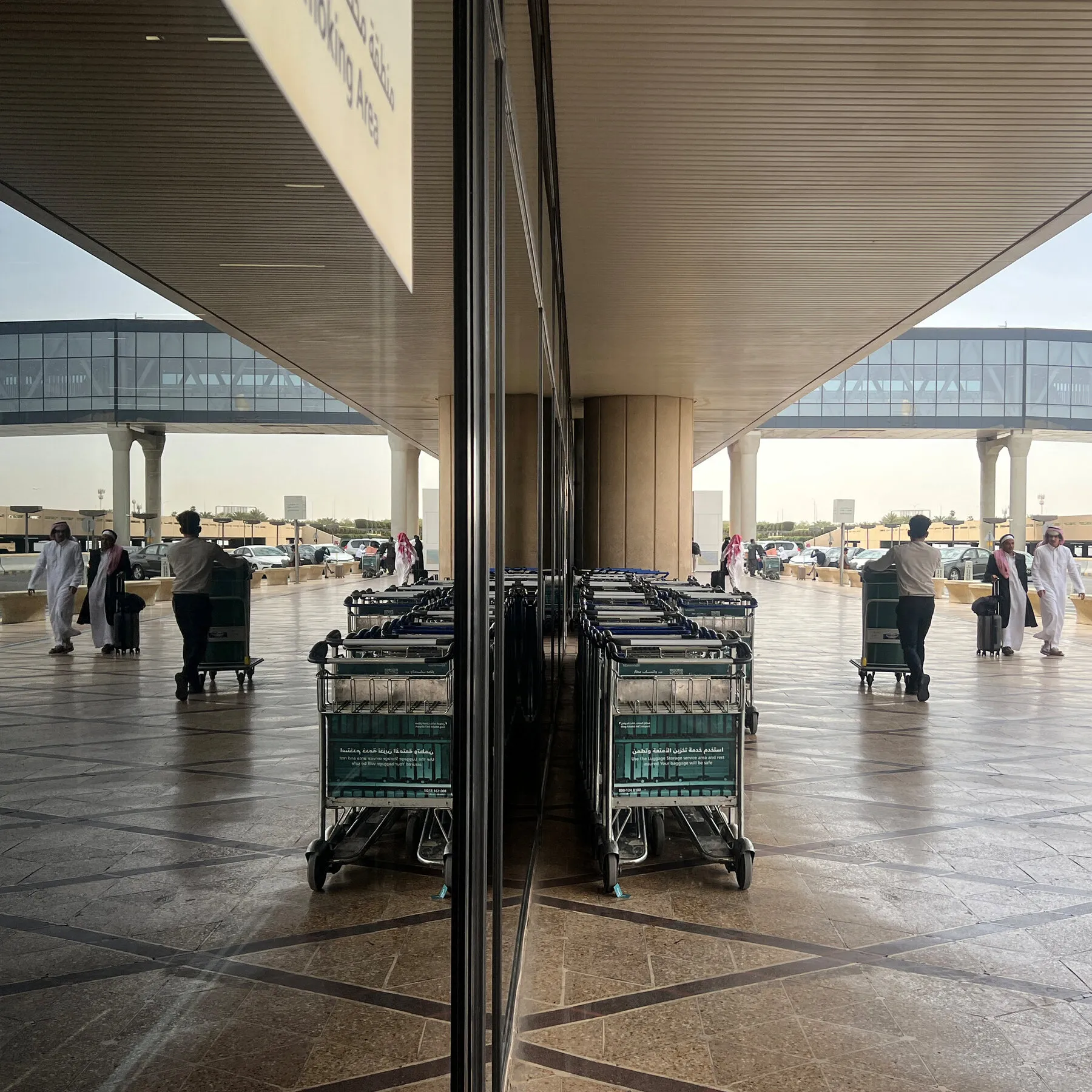
On October 25, Riyadh's King Khalid International Airport resumed flights. Business Line reported that dozens of flights departed early that Sunday for destinations including London, Dubai and Beijing, according to the airport's website. The reopening came despite a renewed Houthi warning to airlines, airport staff and travellers against using the airport, reported by Middle East Eye.
Where it stands
The airport's reopening has not ended the attacks. On October 25, Iran International reported that the Saudi-led coalition said it had intercepted drones and missiles over Riyadh and southern Saudi Arabia. NYT World News reported that the Houthis had threatened to strike the airport again after several deadly attacks there this month.
Nor does reopening mean every airline has restored service. Mint reported that IndiGo's Riyadh cancellations extended through October 31, while Akasa Air had suspended Jeddah services until November 10 and Riyadh services until November 30. These airline-specific restrictions leave passengers facing disruption despite the airport operating again.
What to watch
The immediate issue is whether Riyadh's airport can keep operating under renewed threats and continuing missile interceptions. Passengers should check their individual flights rather than assume the reopening means normal service; Business Line reported that IndiGo had advised travellers to check flight status before heading to the airport.
Assistance for stranded pilgrims also remains unfinished. NDTV India reported that India's mission was in regular contact with Saudi Arabia's Ministry of Hajj and Umrah and Ministry of Foreign Affairs over difficulties caused by the flight disruptions.
More in World
All →
Iran Plans Moscow Talks as Putin Offers Help in US Conflict
Iranian President Masoud Pezeshkian is preparing to visit Moscow as Russia offers mediation with Washington, bringing bilateral cooperation and the US-Iran conflict onto the same diplomatic agenda.
15 sources · over 7 days
Gunmen Kill Nine During Funeral at Church in Jordan's Karak
Nine people were killed and about 40 injured when gunmen opened fire during a funeral at a Greek Orthodox church in Karak; three suspects have been arrested.
41 sources · over 3 days
Fire Nearly Destroys Hitler's Eagle's Nest as Police Detain Suspect
Police said the Bavarian retreat was probably not salvageable, and no injuries were reported.
40 sources · over 2 days