
Vance Reaches Out to Iran as Trump Denies Directing Talks
Vice President JD Vance's reported letter to Iran's security chief offers a possible diplomatic opening as President Donald Trump threatens strikes and Tehran pursues a Hormuz proposal.
By Hushread Stories, from 8 outlets · First published 29 Oct 2026
In brief
- Vice President JD Vance reportedly contacted Iran security chief Mohsen Rezaei in an effort to revive peace negotiations.
- The reported outreach came as President Donald Trump threatened renewed military action against Iran.
- Trump confirmed that Vance sent a letter but denied directing him to initiate peace talks.
- The latest coverage reports Trump denying peace talks while Iran remains in contact with mediators.
- Araghchi says Iran is discussing ideas with mediators to implement its seven day plan to reopen Hormuz strait.
Timeline · 5 moments
Iran discusses Hormuz reopening plan with mediators
Al Jazeera ↗Trump denies directing Vance to restart peace talks
Middle East Eye ↗Trump confirms Vance sent letter to Iranian official
New York Post ↗Vance reportedly writes to Iranian Security Council chief
The Independent ↗Reports describe Trump threatening renewed strikes against Iran
The Times of India ↗How it started
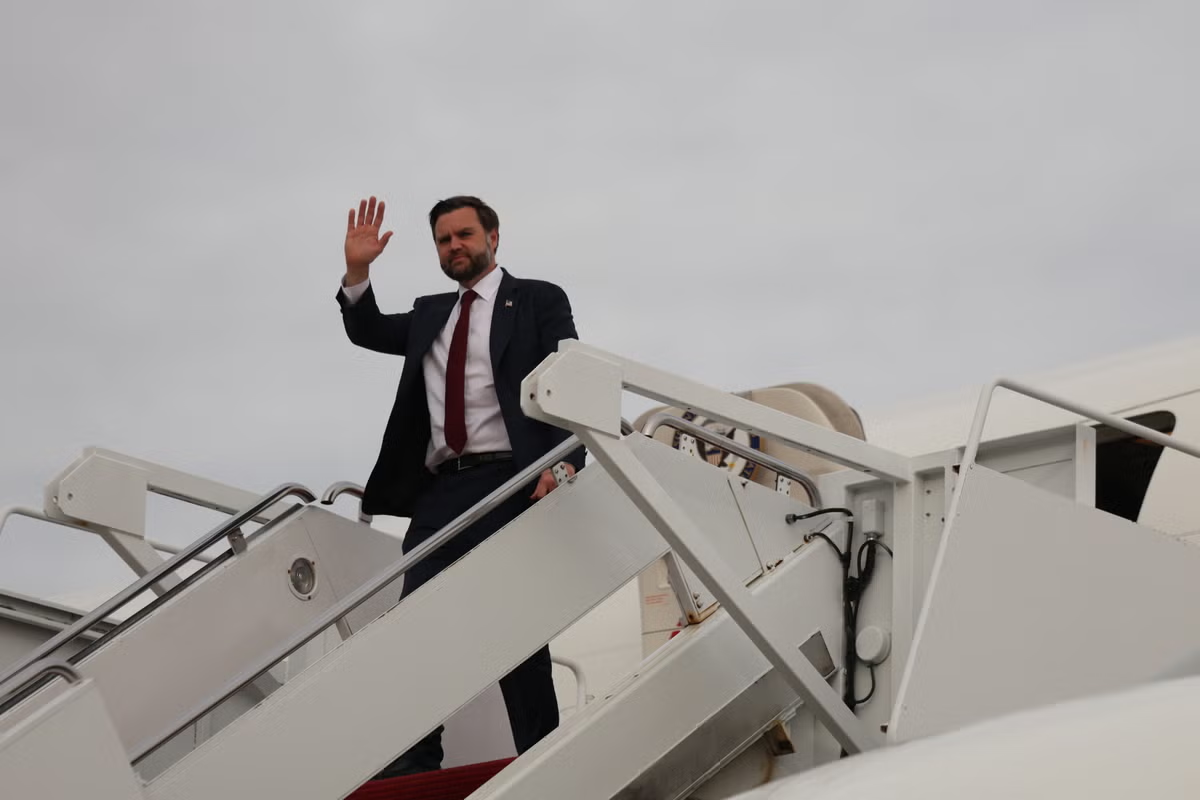
Vice President JD Vance's reported outreach to Iran is an attempt to revive peace negotiations under the threat of renewed American military action. The Independent reported that he wrote to the Iranian Security Council chief days after President Donald Trump threatened a new bombing campaign.
News18 identified the recipient as Iran security chief Mohsen Rezaei. Its account, citing a report by The Wall Street Journal, described the contact as an effort to restart talks and avert a renewed American assault.
How it unfolded
On October 28, The Times of India reported that Vance had sent a letter to an Iranian hard-liner in a bid to revive peace talks as Trump threatened strikes. The supplied coverage does not establish when the letter was sent.
Times now described the outreach as a direct channel to one of Iran's most influential hardliners. That account also attributed the reporting to The Wall Street Journal, so these reports should not be treated as separate diplomatic initiatives.
Also on October 28, the New York Post reported that Trump confirmed Vance had written to a senior Iranian official. Its account placed the overture days before the US midterm elections.
But Middle East Eye reported that Trump denied directing Vance to speak to Iran to restart peace talks. Confirming that a letter was sent is different from confirming that he ordered it, leaving the extent of Trump's involvement unclear.
By October 29, Al Jazeera was reporting Trump's denial of peace talks alongside a separate Iranian diplomatic effort. Araghchi said Iran was in close contact with mediators over ideas for implementing its seven-day plan to reopen Hormuz strait.
Where it stands
The coverage describes an overture, not a confirmed return to negotiations. It provides no Iranian response to Vance's letter and no agreed date or venue for talks.
Trump's public position also needs to be read carefully. The New York Post reported his confirmation of the letter, Middle East Eye reported his denial that he directed the outreach, and Al Jazeera subsequently reported him denying peace talks. Those accounts do not establish that formal negotiations are under way.
What to watch
The immediate open questions are whether Iran responds to Vance's outreach and whether the contact produces agreed negotiations. The supplied reports do not establish either outcome.
Iran's discussions with mediators over the Hormuz proposal are another development to follow. Al Jazeera reported those contacts, but the coverage does not establish a connection between that proposal and Vance's letter.
More in Politics
All →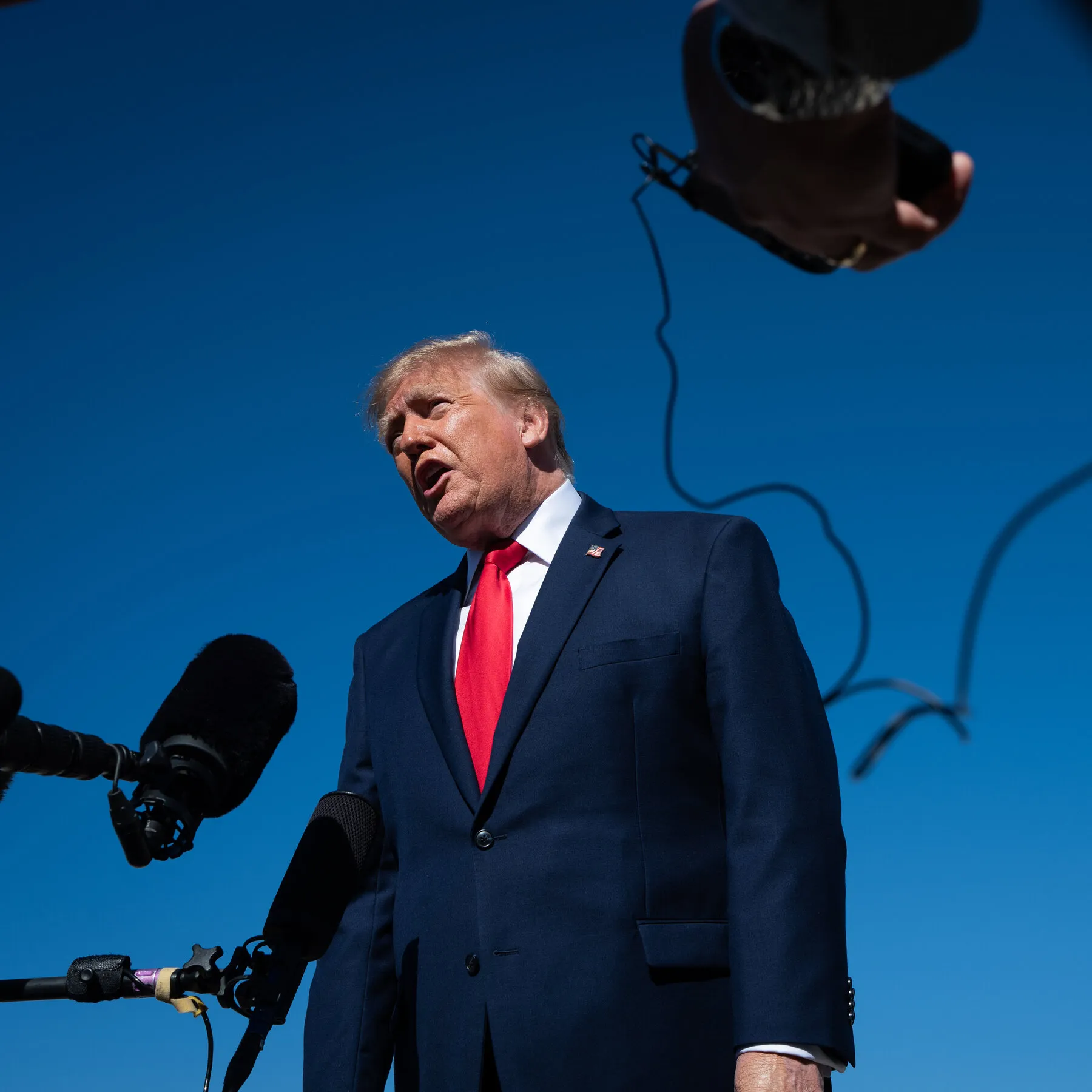
Trump Attacks Norway Over Nobel Peace Prize as Officials Push Back
Norwegian officials say their government has no influence over the Nobel Peace Prize, after Donald Trump attacked the country and said Norwegian immigrants were not welcome.
15 sources · over 3 days
BJP-JD(S) Alliance Sweeps Karnataka Council Polls as Congress Wins No Seats
The four-seat sweep has prompted Congress to promise corrective measures in Karnataka, while results in Uttar Pradesh show a more mixed picture for the BJP.
10 sources · over 3 days
Lula wins fourth term as Flávio Bolsonaro challenges result from Miami
Brazil's defeated presidential candidate has arrived in Miami and challenged Lula's victory, then revised a letter claiming the presidency, prolonging a dispute over Sunday's runoff.
91 sources · over 8 days