
Wall Street's AI Rebound Falters as Nvidia Turmoil Deepens After Midterms
Strong CoreWeave earnings have eased some AI spending fears, but Nvidia's leadership crisis and renewed interest rate worries are testing Wall Street's recovery from its postelection selloff.
By Hushread Stories, from 59 outlets · First published 12 Nov 2026 · Chapter 5 of 5
Earlier: AI Stock Selloff After Democratic Midterm Wins Gives Way to Rate Fears
In brief
- Technology stocks plunged after Democratic midterm victories raised investor concerns about restrictions on artificial intelligence and data centers.
- Stocks rebounded over several sessions, with strong CoreWeave earnings helping ease concerns about spending on AI infrastructure.
- Hotter than expected inflation interrupted the recovery and strengthened expectations of a December Federal Reserve interest rate increase.
- Nvidia fell about ten percent in late trading as its board prepared to discuss Jensen Huang's future.
- Investors are watching Nvidia's leadership decisions and whether rivals can capture business as uncertainty shakes the chip giant.

Timeline · 7 moments
Nvidia rivals gain on hopes of winning business
Bloomberg ↗Nvidia board reportedly considers removing Chief Executive Jensen Huang
Bloomberg ↗CoreWeave earnings ease spending fears and lift stocks
Economic Times Business & Economy ↗Hot inflation revives December rate increase expectations
Economic Times Business & Economy ↗US benchmarks rally as technology rises and oil falls
Bloomberg ↗Asian investors assess fallout as hedge funds cut exposure
Bloomberg Technology ↗Stocks rebound after AI selloff pushes Nasdaq into correction
CBS Top Stories ↗How it started
Wall Street's AI selloff began with a sharp reassessment of what Democratic midterm victories could mean for the industry. Many successful candidates had opposed data centers and called for greater restrictions on artificial intelligence, according to SiliconANGLE.
The November 5 decline was tech's worst day since the 2020 COVID crash, Yahoo Finance reported. Its account also drew a distinction: outside the AI trade, most stocks barely moved. By November 6, stocks were rebounding after the selloff had pushed the Nasdaq into correction territory, according to CBS Top Stories.
How it unfolded
By November 8, the concern had spread beyond US trading. Asian investors were assessing the fallout as hedge funds cut exposure and uncertainty grew over US data-center policy, Bloomberg Technology reported.
On November 9, buyers returned more forcefully. US benchmarks posted their best day in seven months as technology shares rallied and oil prices fell, according to Bloomberg. Wall Street brokerages argued that the AI selloff was overdone and played down Democratic regulation risks, World News CNA reported.
Nvidia was an exception to that recovery. The company's shares fell on news of its investigation into Jensen Huang, even as other tech and semiconductor stocks rallied, Forbes reported on November 9.
The rebound reached Asia on November 10, with SoftBank Group shares surging 11%, according to CNBC International. But US stocks slipped that day after hotter-than-expected inflation strengthened expectations of a December Federal Reserve rate increase, Economic Times reported.
On November 11, CoreWeave's strong earnings offered reassurance about AI infrastructure spending. The S&P 500 and Nasdaq both ended more than 1% higher, according to Economic Times. That relief was challenged after hours when a report that Nvidia's board was considering removing Chief Executive Officer Jensen Huang sent US stock futures lower, Bloomberg reported.
Where it stands
By November 12, Nvidia's troubles were again weighing on the broader market. Nasdaq 100 futures fell more than 1% and S&P 500 contracts lost 0.5% after Nvidia dropped about 10% in late trading, according to Economic Times. The outlet reported that the company's board was meeting to discuss Huang's future.
The pressure is not affecting every AI company equally. Advanced Micro Devices, Broadcom and Alphabet gained after hours on bets they could win business from Nvidia, Bloomberg reported. Meanwhile, investors have also been buying defensive sectors such as consumer staples and healthcare amid doubts about future tech earnings, according to the Financial Times.
What to watch
Nvidia's board deliberations are the immediate focus. The reported consideration of Huang's removal is not a completed leadership change, and the market is already weighing which competitors might benefit, according to Bloomberg and Bloomberg.
The broader question is whether earnings can keep easing AI spending fears while interest rate expectations rise. CoreWeave's results supplied one encouraging signal, according to Economic Times, but the inflation report revived expectations of more aggressive Federal Reserve tightening, Bloomberg reported.
More in Business
All →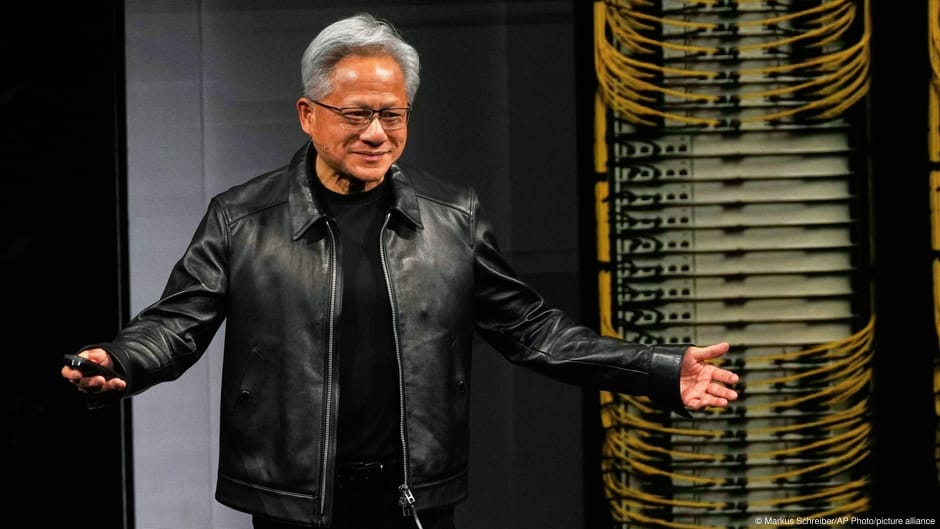
Nvidia Board Weighs Removing Jensen Huang After Reports of Two Affairs
Reports that Nvidia could replace its co-founder have sent shares sharply lower, while questions remain about his relationship with a suspected Chinese spy and possible information exposure.
160 sources · over 7 days
UK economy grows 0.7% in third quarter as AI investment helps
Growth accelerated despite pressure from energy prices and borrowing costs, but early official figures and warnings of a slowdown leave the strength of the recovery uncertain.
9 sources · today
Anthropic IPO Draws Heavy Demand Ahead of Planned $90 Billion Listing
Orders reportedly exceed the available shares several times over, putting Anthropic's planned debut at the center of a test of investor appetite for artificial intelligence.
17 sources · today