
World Court Rules Myanmar Committed Genocide Against Rohingya in Landmark Gambia Case
For the first time in its history, the International Court of Justice has found a state responsible for genocide, with consequences for Rohingya refugees and for other cases before the court.
By Hushread Stories, from 39 outlets · First published 19 Nov 2026
In brief
- The International Court of Justice ruled that Myanmar committed genocide against the Rohingya, upholding large parts of The Gambia's 2019 case.
- It is the first time in the court's roughly 80-year history that judges have found a state responsible for genocide.
- The court found Myanmar's forces killed thousands of Rohingya during 2017 military operations in Rakhine State that drove the minority out.
- The judges called on Myanmar to pay reparations and to allow refugees to return safely, though no amount or mechanism has been specified.
- About 1.2 million Rohingya remain in the Cox's Bazar settlement in Bangladesh, and the UK has since expelled Myanmar's defence attache.
Timeline · 7 moments
Court orders reparations and safe return of refugees
Deutsche Welle ↗First time ICJ finds a state responsible for genocide
World News CNA ↗ICJ convicts Myanmar of genocidal intent against Rohingya
Al Jazeera ↗Court begins reading judgment; finds thousands of Rohingya killed
World News ↗Outlets preview the landmark ICJ verdict and its stakes
NYT World News ↗The Gambia brings genocide case against Myanmar at the ICJ
The Independent ↗Military operation drives Rohingya from Rakhine State en masse
nu.nl ↗Update 19 Nov 2026, 6:45 pm UTC
The coverage now confirms the ruling in detail: the court found Myanmar acted with genocidal intent and that its forces killed thousands of Rohingya in 2017. Al Jazeera and UPI both note this is the first time the court has found a state responsible for genocide. The new reporting also adds that the UK expelled Myanmar's defence attache after the ruling, which bdnews24.com reported, and that refugees in Cox's Bazar are hoping the judgment will allow them to return home. Reparation amounts and return arrangements remain unspecified in the coverage.
How it started
The case goes back to 2017, when a large military operation in Rakhine State drove the Rohingya, a Muslim minority from the west of Myanmar, out of the country in huge numbers. Nu.nl described it as a mass expulsion that followed a major army campaign. Al Jazeera and others have tracked the dispute ever since.
In 2019, The Gambia took Myanmar to the International Court of Justice, the UN's highest court, as The Independent noted. The question put to the judges was whether Myanmar's military operations were carried out with the intent to destroy the Rohingya, in whole or in part, as Deutsche Welle framed it in its preview.
That is a high bar. The BBC pointed out that no state had ever been found guilty of genocide by an international court, which is part of why the case drew such attention.
How it unfolded
The run-up to the verdict was covered on 18 November 2026. The South China Morning Post, the New York Times and Foreign Policy all published explainers on what the court was being asked to decide and why it mattered. Foreign Policy argued the case would have wide-ranging impacts, including for the court's forthcoming judgment on Israel.
On 19 November, NDTV and bdnews24 reported that the judgment would be read from 10 a.m. local time (0900 GMT) and could take up to 90 minutes. Both noted that the 1.2 million Rohingya who have been stuck in the Cox's Bazar refugee settlement in Bangladesh since fleeing in 2017 would be following closely.
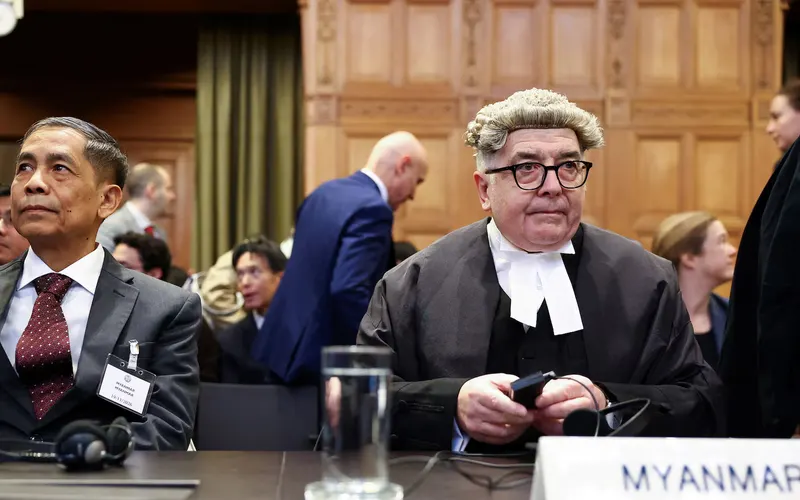
As the reading began, a World News feed reported that the court found Myanmar's forces had killed thousands of Rohingya, with the ruling still under way. Myanmar's delegation was present, and the feed pictured Union Minister Ko Ko Hlaing at the hearing.
Then the headlines landed. Al Jazeera reported that the court convicted Myanmar of genocidal intent against the Rohingya. CNA and News18 both stressed that this was the first time the court had found a state responsible for genocide. Deutsche Welle added that the court upheld large parts of the case and called for reparations and for refugees to be allowed to return safely.
Where it stands
The ruling is now on the record. The judges found Myanmar responsible for genocide, and Deutsche Welle reported the court's call for reparations and for the safe return of refugees.
The coverage supplied here does not say what amount of reparations the court has in mind, or how any return would be arranged. Those details are not yet clear from the reporting.
What to watch
The practical questions are about follow-through: whether Myanmar pays reparations, and whether conditions ever allow the Rohingya in Bangladesh to go home safely. Deutsche Welle reported the court's call on both points, but the coverage does not describe any mechanism to enforce them.
The wider legal effect is also under scrutiny. DDNews said the ruling is being watched for clues on Gaza, and Foreign Policy tied it to the court's forthcoming judgment on Israel.
More in World
All →
Russian national charged in US with spying on Palantir employees over Ukraine support
Federal prosecutors say a Russian man stalked and photographed workers at a Silicon Valley defense tech firm on Moscow's behalf, a case that surfaced as Trump and Putin were due to meet.
20 sources · over 2 days
Ministry of Justice investigates Russell Brand's 'not guilty' message shared from prison by his wife
Downing Street has called the jailed comedian's message appalling, and an urgent inquiry will decide whether he broke prison rules by getting his denial published through his wife.
31 sources · over 4 days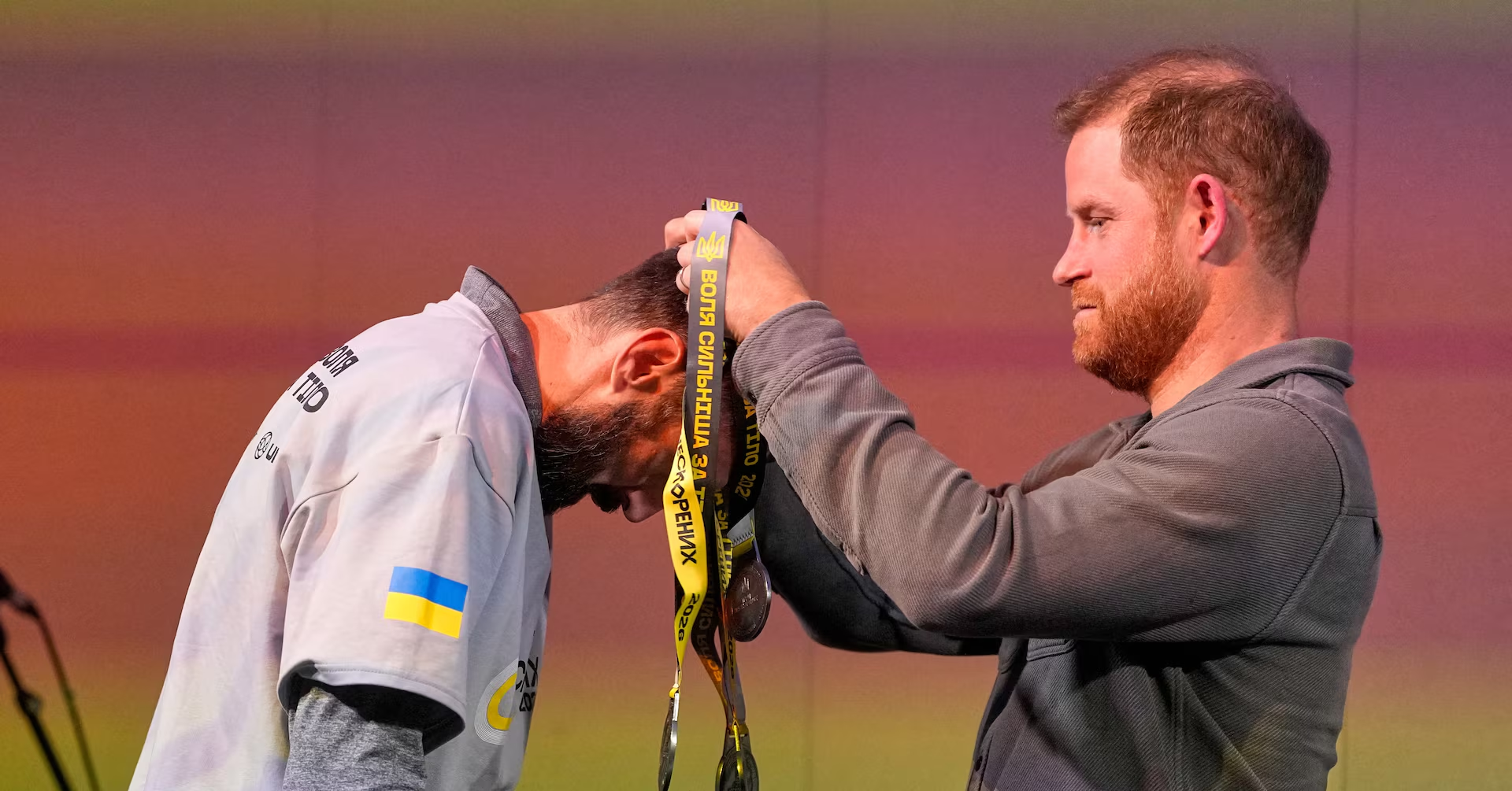
Prince Harry Makes Surprise Visit to Lviv, Tells Wounded Ukrainian Veterans They Will Win
On his fourth trip to Ukraine since 2022, the Duke of Sussex met wounded soldiers and medics and backed a future Invictus Games in the country.
23 sources · over 4 days