
Yayoi Kusama, Visionary Japanese Polka Dot Artist, Dies at Age 97
Yayoi Kusama, whose bold polka-dot patterns and immersive installations transformed contemporary art worldwide, has died at 97, prompting tributes from artists and institutions across Japan and beyond.
By Hushread Stories, written with AI from 52 outlets · First published 27 Aug 2026
In brief
- Yayoi Kusama died on August 14, 2026, in Tokyo at the age of 97 due to multiple organ failure.
- Her passing prompted global tributes highlighting her influence on contemporary art, fashion, and pop culture.
- Kusama's signature works, including polka dots and Infinity Mirror Rooms, continue to draw large crowds at exhibitions.
- Her foundation aims to inspire future generations through ongoing shows in Europe and Japan.
- Kusama's legacy is being explored in new biographies and documentaries, emphasizing her impact on art and mental health awareness.
Timeline · 4 moments
New Amsterdam exhibition opens after Kusama's death
nu.nl ↗Kusama's influence highlighted in major retrospectives
The New York Times ↗International art world remembers Kusama's legacy
Euronews ↗Yayoi Kusama dies in Tokyo at age 97
ARD Tagesschau ↗How it started
Yayoi Kusama was born in Matsumoto, Japan, in 1929. From a young age, she experienced vivid hallucinations that often featured patterns and dots, which would later become central motifs in her art. According to The Guardian and The Indian Express, these early visions deeply shaped her creative outlook and inspired her lifelong exploration of repetition, infinity, and color.
Kusama moved to New York in the late 1950s, where she became a key figure in the avant-garde scene. She produced provocative installations, performances, and paintings, often using polka dots and nets to express her inner world. Her opposition to the Vietnam War and her unconventional approach sometimes put her at odds with the art establishment, but she persisted, gradually gaining recognition for her bold vision.
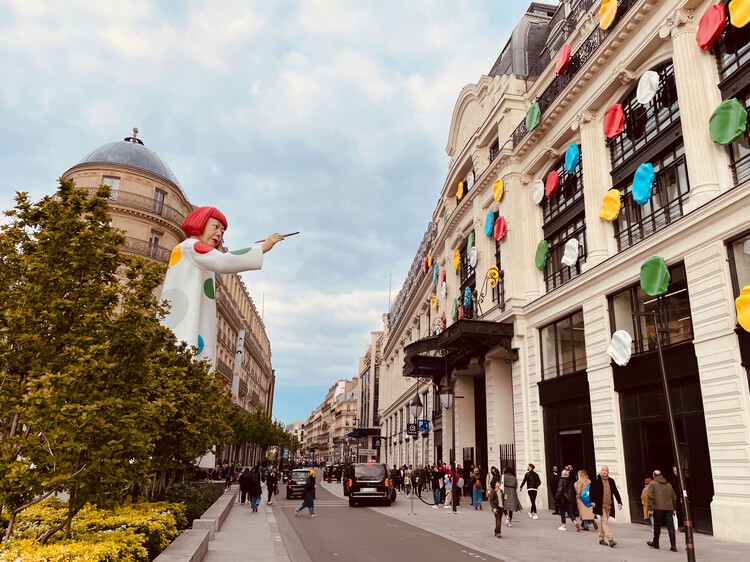
By the 1970s, Kusama had returned to Japan, where she continued to work prolifically, even while living voluntarily in a psychiatric hospital. Over the decades, her art, especially her Infinity Mirror Rooms and giant polka-dotted pumpkins, gained international acclaim, eventually making her one of the most celebrated living artists.
How it unfolded
On August 14, 2026, Yayoi Kusama died in a Tokyo hospital at the age of 97. Multiple outlets, including Yahoo!ニュース and ARD Tagesschau, reported that the cause was multiple organ failure. Her passing was publicly announced by her foundation and widely covered by international media on August 27.
News outlets across the globe quickly highlighted Kusama's enormous influence on contemporary art. According to Euronews and the BBC Persian service, her signature polka dots, Infinity Mirror Rooms, and pumpkin sculptures were celebrated for their originality and emotional power. Her work influenced not only the fine arts but also fashion, design, and pop culture, as noted by La Repubblica and Telegraaf.
Tributes poured in from artists, museums, and fans worldwide. The South China Morning Post described how cultural figures in Hong Kong and elsewhere remembered Kusama for her boundary-pushing vision and lasting impact on future generations. Reports from outlets like Franceinfo and The New York Times showcased her major works and reflected on her legacy.
In the days following her death, exhibitions of her art continued to draw large crowds, such as a new show at the Stedelijk Museum in Amsterdam, according to nu.nl. Critics and curators reflected on her role as a trailblazer for neurodivergent artists, as highlighted by The Guardian, and her ability to turn personal struggles into universally resonant art.
Where it stands
Yayoi Kusama's death marks the end of a remarkable era in contemporary art. Her influence remains visible in museums, public installations, and collaborations with major brands around the world. Tributes and remembrances continue, with many art institutions honoring her life and work through special exhibitions and retrospectives.
Her foundation has expressed the hope that her art will keep inspiring new generations, and ongoing shows in Europe and Japan ensure that her vision remains accessible to the public. Kusama's story is being revisited in new biographies and documentaries, and her impact on both art and mental health awareness is a major point of discussion in the art community.
More in Culture
All →
Sally Rooney Says Books Will Leave UK Sale Over Palestine Action Support
The Irish novelist and her publisher say her support for the banned group means her books can no longer be supplied to UK booksellers or earn her British royalties.
39 sources · over 3 days
Anne Carson wins the 2026 Nobel Prize in Literature
The Swedish Academy has chosen the Canadian poet and essayist, recognising work that draws on classical traditions while creating new forms for contemporary literature.
50 sources · over 3 days
Two Stolen Renoir Paintings Recovered in France After Six Arrests
Two paintings stolen from the Renoir Museum in September have been recovered after a wave of arrests, but authorities have not disclosed how investigators found them.
18 sources · over 2 days