
Yemen Market and Residential Strikes Kill Dozens as Fighting Escalates
Houthi reports of deadly strikes near Sanaa follow a market attack in Taiz, with casualty counts differing and responsibility disputed as fighting intensifies.
By Hushread Stories, from 15 outlets · First published 7 Nov 2026
In brief
- Strikes near Sanaa on November 7 killed at least 22 people, with some reports citing 27 deaths.
- The Houthis accused Saudi Arabia of striking homes, while Saudi Arabia had not commented in the latest coverage.
- A market attack in Taiz the previous day killed at least 30 people, according to Houthi accounts.
- The internationally recognised Yemeni government and the Houthis blamed each other for the deadly Taiz market attack.
- Responsibility and casualty totals remain unresolved as reports describe escalating fighting and missile attacks against Saudi targets.
Timeline · 6 moments
Houthis report 27 killed in strikes near Sanaa
Middle East Eye ↗Taiz market attack kills at least 30, Houthis say
Al Jazeera ↗Coalition reports intercepting two missiles aimed at Najran
Arab News ↗Yemeni government claims 20,000 Houthis neutralized in counteroffensive
Infobae ↗Houthis claim attacks on Saudi targets including Abha airport
Infobae ↗Yemeni government and Houthis trade accusations over civilian deaths
Infobae ↗How it started
The latest strikes come amid renewed fighting between the Houthis and their Saudi-backed opponents. According to Global News, the Houthis control Sanaa and the north and west of Yemen, while their opponents are based in the south and east.
The coverage differs on when the conflict resumed. Le Monde places the resumption in July, while The New York Times says fighting reignited in August. Both describe an escalation that has brought a heavy civilian toll.
How it unfolded
On November 2, the Yemeni government and the Houthis exchanged accusations over civilian deaths in several southern localities, according to Infobae. The following day, the Houthis claimed drone and ballistic missile attacks against Saudi military targets and Abha international airport, Infobae reported.
On November 5, the internationally recognised Yemeni government said it had "neutralized" 20,000 Houthis during the first month of its counteroffensive, according to Infobae. That was a government claim, not an independently established casualty count, and the supplied report does not explain what "neutralized" meant.
On November 6, coalition forces intercepted two Houthi ballistic missiles aimed at Saudi Arabia's Najran province, Arab News reported, citing Maj. Gen. Turki Al-Maliki. Debris fell after the interceptions, but the supplied account did not establish the extent of any damage.
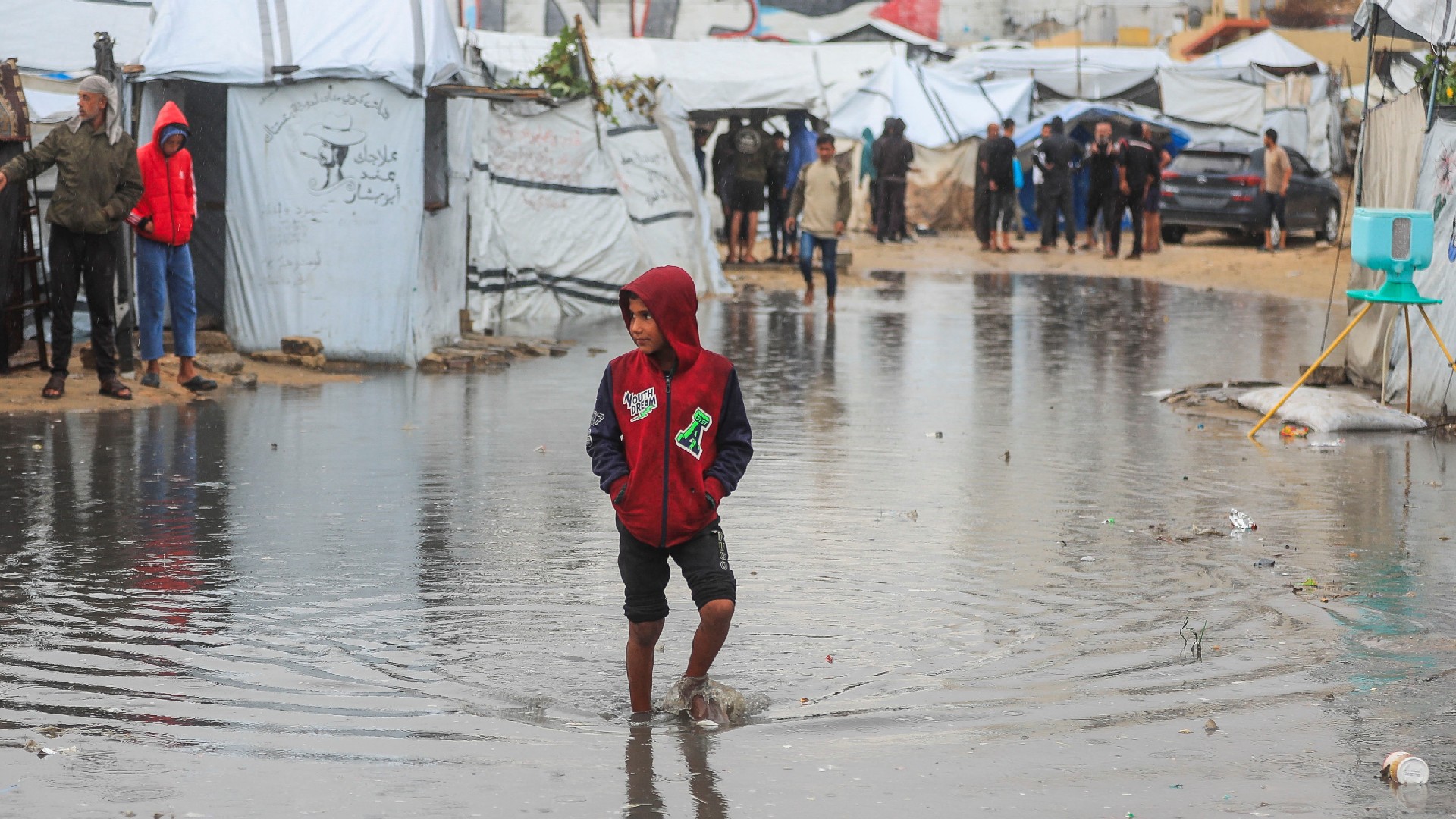
That same day, reports emerged of a deadly attack on al-Hadara market in Taiz governorate's al-Waziiya district. The Hindu reported an initial Houthi account of at least 20 deaths and 15 injuries. Al Jazeera subsequently reported a Houthi toll of at least 30 dead, with the Yemeni government and the Houthis blaming each other.
On November 7, the Houthis accused Saudi Arabia of hitting several homes in al-Shariya village near Sanaa, according to Deutsche Welle, which reported 22 deaths. Later coverage carried higher figures: the BBC reported at least 25 killed, while Middle East Eye cited a Houthi toll of 27, most of them women and children.
Where it stands
The latest coverage puts the combined toll from the market attack and the strikes near Sanaa above 50. The New York Times described the period as one of the war's deadliest 24 hours, with civilians paying a heavy price.
The exact toll near Sanaa remains unsettled across the reports, ranging from 22 to 27 deaths. Al Jazeera also reported 30 injuries, citing the Houthis. Saudi Arabia had not commented on the latest strike allegations, according to the BBC.
Responsibility also remains contested. The Houthis blame Saudi Arabia for the strikes near Sanaa, while the Taiz market attack has prompted competing accusations from the Houthis and the Yemeni government, as reported by Middle East Eye.
What to watch
The immediate unresolved issues are the final casualty count near Sanaa and whether Saudi Arabia responds to the Houthi allegations. The differing figures and absence of Saudi comment in the BBC's report leave key details unconfirmed.
For the Taiz market attack, the central outstanding issue is responsibility. The competing accounts reported by Al Jazeera do not establish who carried out the attack.
More in World
All →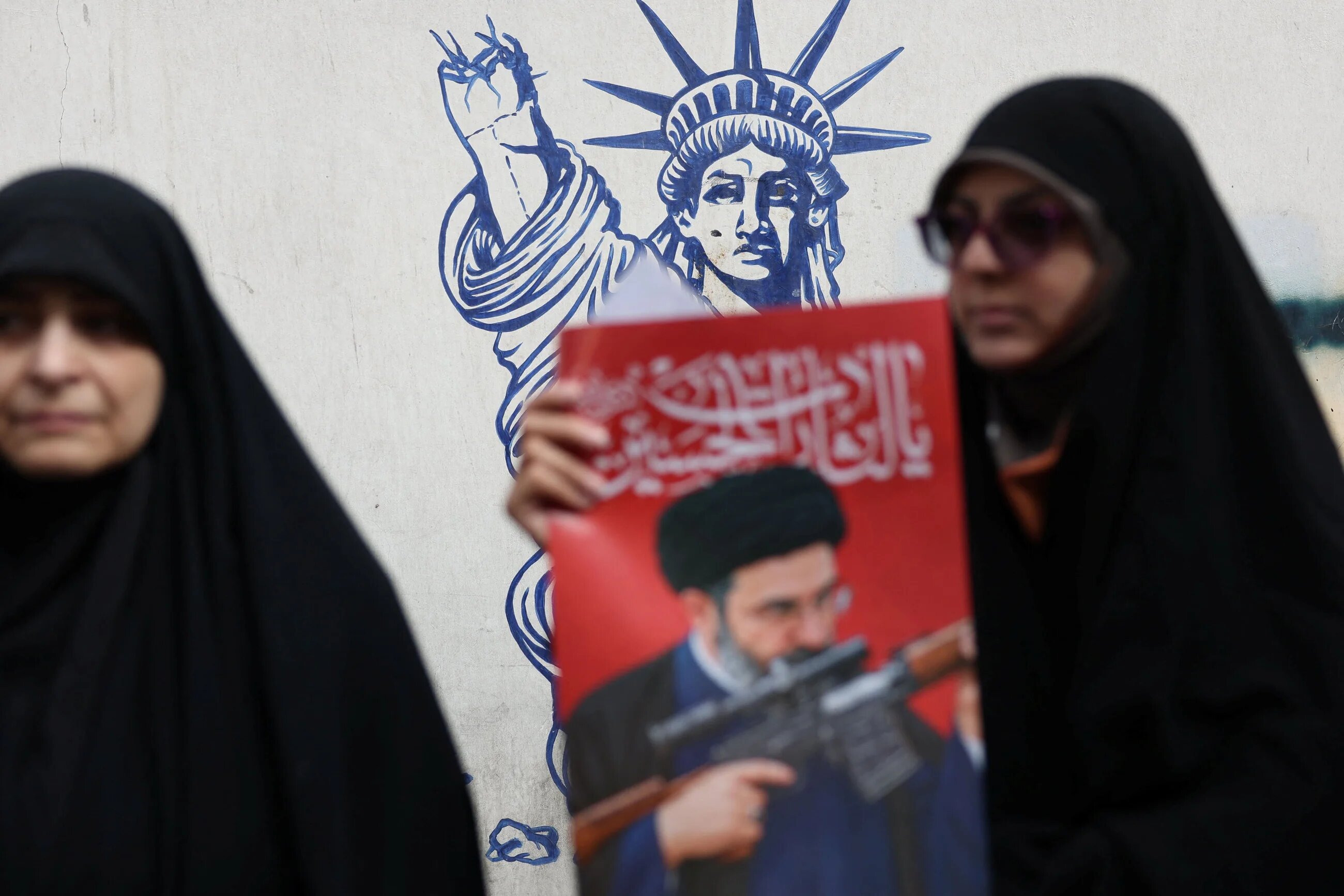
Two Missiles Reported to Hit Iran's Qeshm Island as Tensions Rise
Reports of two missile impacts on Qeshm Island were followed by Trump's claim of US strikes, while mediators sought to prevent further escalation between Washington and Tehran.
8 sources · today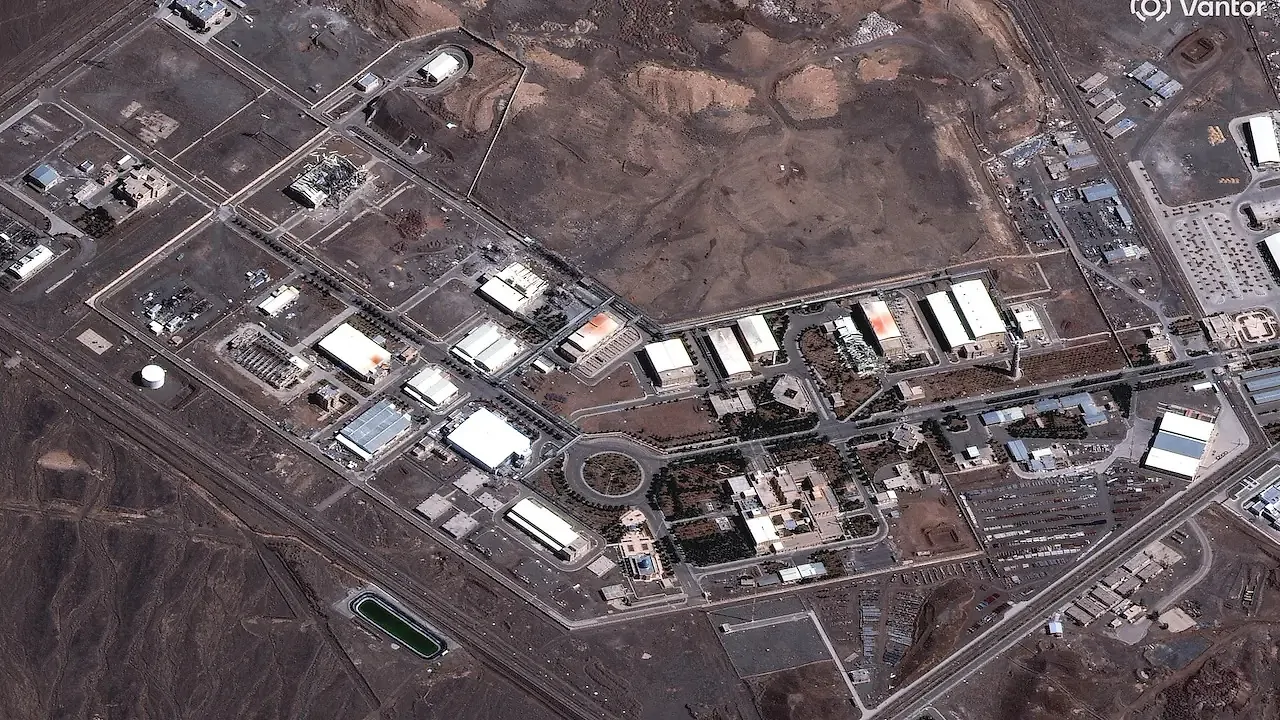
US Offers Up to $20 Million for Iran Nuclear Information
The offer includes possible relocation and seeks details about facilities, equipment and personnel, as President Donald Trump again says Tehran wants to make a deal.
21 sources · today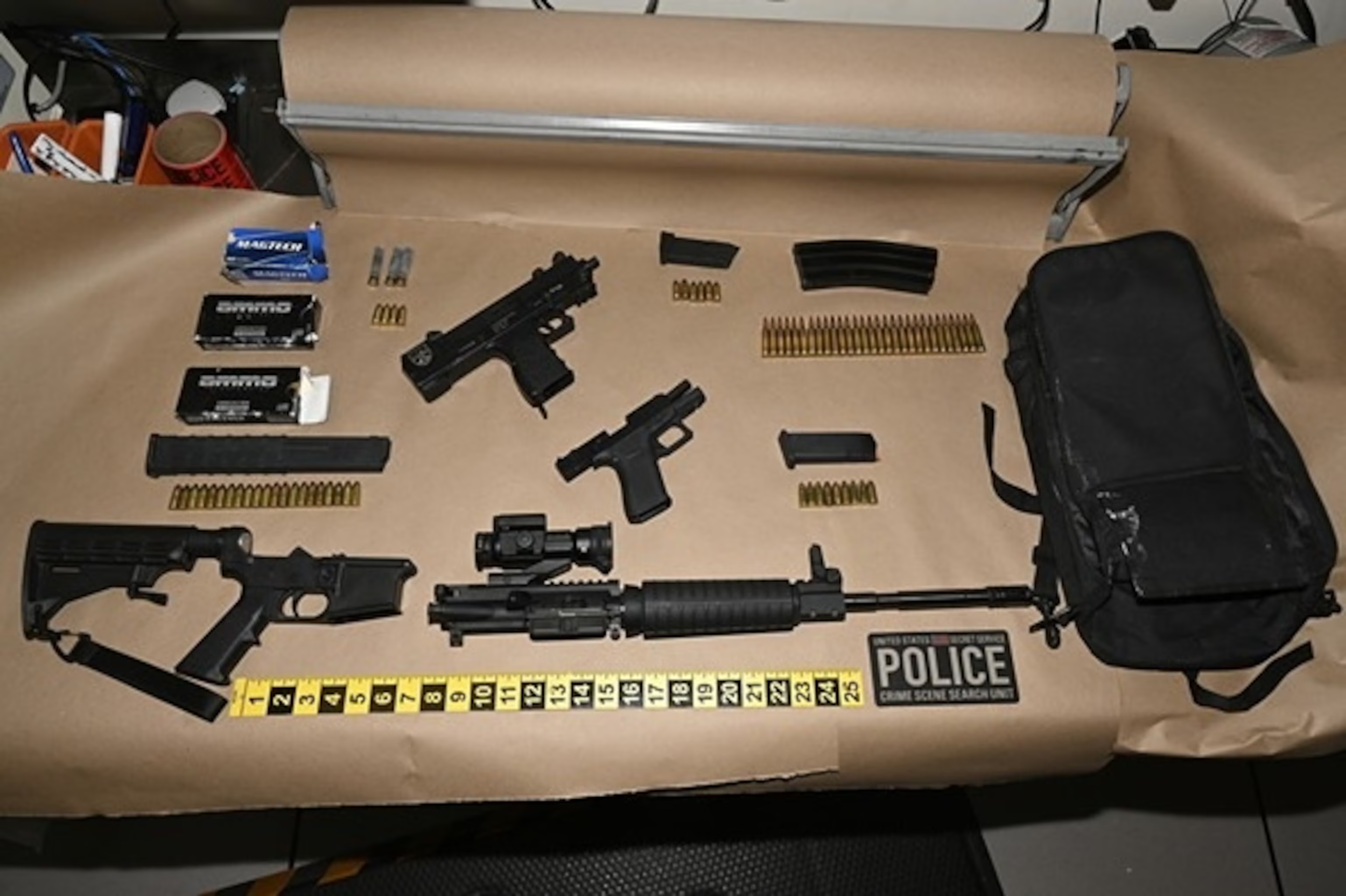
Venezuelan Man Charged After Arrest Near White House With Guns
The suspect faces multiple offences, including possession of dangerous weapons and theft, and is in US Marshals Service custody, according to the Department of Homeland Security.
19 sources · today