
ANC Suffers Historic Losses in South Africa's Local Elections
With nearly all votes counted, the ANC has won roughly a third of the national vote, leaving the once dominant party facing difficult coalition talks.
By Hushread Stories, from 19 outlets · First published 8 Nov 2026
In brief
- South Africa's November 4 municipal elections gave the African National Congress its worst-ever local election result.
- The ANC secured 30 percent of the vote, according to the latest coverage.
- Voters expressed disappointment over crime, corruption and failing municipal services.
- The result is a major setback for the party that led the struggle against apartheid.
- The election points to a more fragmented political system as coalition talks loom.
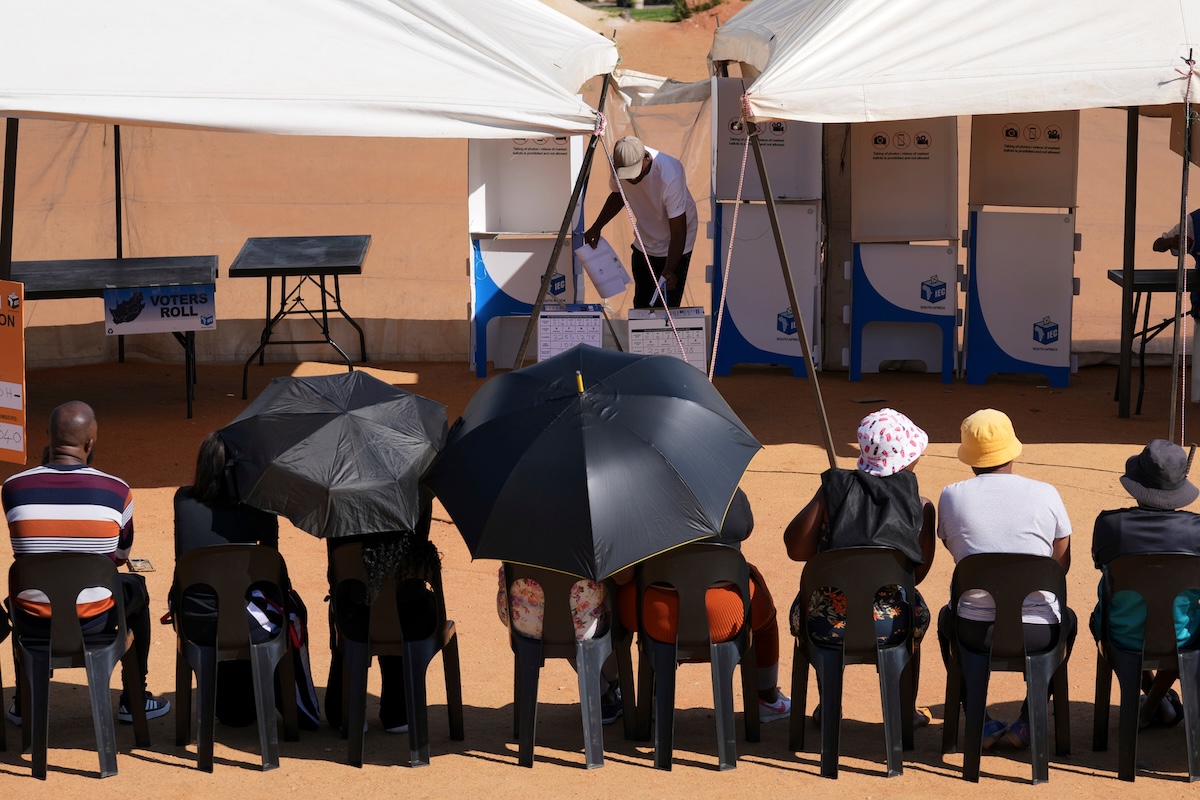
Timeline · 9 moments
Coalition talks loom after ANC wins 30 percent
France24 ↗ANC defeat signals move to a fragmented political system
Al Jazeera ↗Al Jazeera reports ANC won just 30 percent
Al Jazeera ↗Difficult coalition talks expected after historic electoral defeat
DIE ZEIT | Nachrichten, News, Hintergründe und Debatten ↗Count reaches 99 percent with ANC at 31 percent
Al Jazeera ↗ANC projected to remain largest ahead of Democratic Alliance
Le Monde ↗Major city results reveal steep losses for ANC
Il Post ↗ANC reaches about 32 percent as counting advances
Al Jazeera ↗South Africans vote amid anger over failing services
BBC News ↗Update 9 Nov 2026, 11:21 pm UTC
Al Jazeera says the results mark a transition away from ANC electoral dominance towards a more fragmented political system. France24 reports that coalition talks are looming after the ANC secured 30 percent of the vote.
Update 9 Nov 2026, 3:36 am UTC
Al Jazeera now reports that the ANC secured just 30 percent of the vote, sharpening the earlier estimate of about 31 percent with 99 percent counted. The new coverage continues to focus on the party's historic local-election defeat, so the headline remains accurate.
How it started
South Africans voted on November 4 to renew the administrations of all 257 municipalities, according to Il Post. The elections became a test of how much support the African National Congress could retain amid anger over everyday services.
Residents told BBC News they were tired of poor services. Deutsche Welle also identified corruption and high crime rates as sources of growing voter frustration. The pressure was particularly acute for a party credited with leading the country out of white minority rule, as ABC News described it.
How it unfolded
Before counting began on November 4, forecasts already pointed to a serious setback. Al Jazeera reported polls suggesting the ANC could fall below 40 percent, while The Guardian said it was expected to receive less than a third of the vote.
By November 5, the scale of the decline was becoming clearer. The ANC stood at about 32 percent with more than 60 percent of votes counted, according to Al Jazeera. The Financial Times reported that early results suggested a huge drop compared with 2021.
The losses extended into the major cities. On November 6, Il Post reported that ANC support had collapsed across the most important metropolitan areas. That day, Le Monde projected the party would remain the largest nationally, with 31.7 percent against 25.8 percent for its main competitor, the Democratic Alliance.
By November 7, near-final results pointed to the ANC's lowest-ever vote share, Deutsche Welle reported. It linked the punishment at the polls to shoddy municipal services, including water and electricity shortages.
On November 8, Al Jazeera put President Cyril Ramaphosa's party at 31 percent nationally with 99 percent counted. The Hindu described its share at the same counting stage as around 30 percent. Those rounded figures differ slightly, but both show the ANC winning less than a third of the vote.
Where it stands
The ANC has suffered its worst-ever municipal election result, according to Deutsche Welle. It nevertheless remains the largest party nationally, as RTBF and Le Monde reported during the count. Being the largest party is not the same as securing control of individual councils.
The latest figure supplied by Al Jazeera still leaves one percent of votes uncounted. The broad outcome, however, is clear: a historic electoral setback for a party whose association with the end of apartheid no longer shields it from voter anger over local government.
What to watch
The immediate issue is who can assemble governing coalitions where no party has a majority. DIE ZEIT reported that difficult coalition talks were expected. Those negotiations will determine how the fragmented vote translates into control of municipal administrations.
The remaining count will also establish the final national shares. Beyond that, the political test is whether the resulting councils can address the water and electricity shortages that voters blamed on the ANC, according to Deutsche Welle.
More in Politics
All →
Teddy Riner announces candidacy for France's 2027 presidential election
The Olympic judo champion has entered the presidential race, saying he wants to unite the French while continuing his sporting career, with policy and campaign details still unclear.
20 sources · today
Gadi Eisenkot Gets Six Weeks to Build Israel's Next Government
Gadi Eisenkot has a mandate to form a coalition, but a seat shortfall and disputes over military conscription leave Benjamin Netanyahu with room to influence the outcome.
24 sources · over 2 days
Hegseth Defies Impeachment Threat as Trump Backs Him After Midterm Losses
A Republican lawmaker plans to force an impeachment vote as soon as next week, testing support for Defense Secretary Pete Hegseth after election losses blamed on the Iran war.
77 sources · over 6 days