
Burnham Opens Slavery Apology Talks as Commonwealth Leaders Press for Reparations
Britain is moving towards discussions on a formal slavery apology at the Commonwealth summit, but Andy Burnham's rejection of financial reparations leaves a central dispute unresolved.
By Hushread Stories, from 24 outlets · First published 3 Nov 2026 · Chapter 2 of 2
Earlier: Andy Burnham open to formal slavery apology but rules out reparations
In brief
- Prime Minister Andy Burnham is open to a formal apology for Britain's role in the transatlantic slave trade.
- Burnham has ruled out financial reparations, arguing British people should not pay for historical wrongs.
- Countries affected by Britain's role in slavery will be asked to help shape an expected formal apology.
- Antigua and Barbuda Prime Minister Gaston Browne has called for reparations, challenging Burnham's refusal to offer payments.
- King Charles condemned the slave trade as Commonwealth leaders gathered in Antigua, while further apology talks remain pending.
Timeline · 8 moments
King Charles condemns slave trade at Commonwealth summit
The Independent ↗Debt reset plan accompanies forthcoming slavery apology talks
Express & Star ↗Burnham meets King and denies creating apology pressure
The Independent ↗Affected countries to help shape expected formal apology
The Guardian ↗Antigua and Barbuda prime minister calls for reparations
The Independent ↗Structured dialogue agreed, reparations remain off formal agenda
World news | The Guardian News ↗Burnham signals openness to a formal slavery apology
Sky News ↗Burnham argues against reparations and for Commonwealth cooperation
Guardian Politics ↗How it started
Prime Minister Andy Burnham set out two positions: Britain should confront its role in slavery, but financial reparations are not the answer. In an article published by Guardian Politics on October 30, he argued for working with Commonwealth countries rather than making British people pay for historical wrongs.
Burnham also expressed personal "sorrow and regret" for the suffering caused by the transatlantic slave trade, Express & Star reported. That expression of regret was separate from the formal national apology he subsequently said he was open to considering.
How it unfolded
On October 31, Sky News reported that Burnham was open to calls for a formal apology as the King continued his Caribbean tour. NBC News reported that he had ruled out financial reparations. The opening on an apology did not extend to compensation.
By November 1, the dispute was moving into Commonwealth diplomacy. The Guardian reported that British officials had initially insisted reparations discussions should not feature on the summit agenda. Burnham had since agreed to structured dialogue on reparatory justice, although the issue remained off the formal agenda.
That day, The Independent reported that Antigua and Barbuda Prime Minister Gaston Browne wanted Burnham to offer reparations. Browne warned that failing to pay them risked a repetition of past atrocities.
On November 2, the proposed apology became more concrete. The Guardian reported that Burnham would ask countries affected by Britain's role in slavery to help shape a formal apology. The Independent also reported that Burnham and the King met in Antigua that evening, and that Burnham denied his offer of talks had put the King under pressure.
On November 3, Express & Star reported that Burnham would begin talks with other leaders over the coming days about offering a formal apology. Separately, The Independent reported that King Charles described the slave trade as "shameful" and said it "fills my heart with horror" in a speech to Commonwealth leaders.
Where it stands
The process has moved beyond a general willingness to listen towards discussions about shaping an apology. But the coverage describes talks and an expected apology, not a formal apology already issued. According to Express & Star, discussions with other leaders are still to take place over the coming days.
The disagreement over money remains. Burnham has rejected financial reparations, while Browne has called for them, according to NBC News and The Independent. An opinion article published by Al Jazeera on November 3 also argued that debt restructuring would not be an adequate substitute for reparations.
What to watch
The immediate questions are what affected countries ask Britain to acknowledge, how they help draft an apology, and when one might be issued. The Guardian reported the plan to involve those countries, but the supplied coverage gives no agreed wording or date.
Watch, too, how the proposed Commonwealth "debt reset" relates to the separate demands for reparations. Express & Star reported the debt initiative alongside the apology talks, while Al Jazeera published an argument that debt restructuring alone would not meet those demands.
More in Politics
All →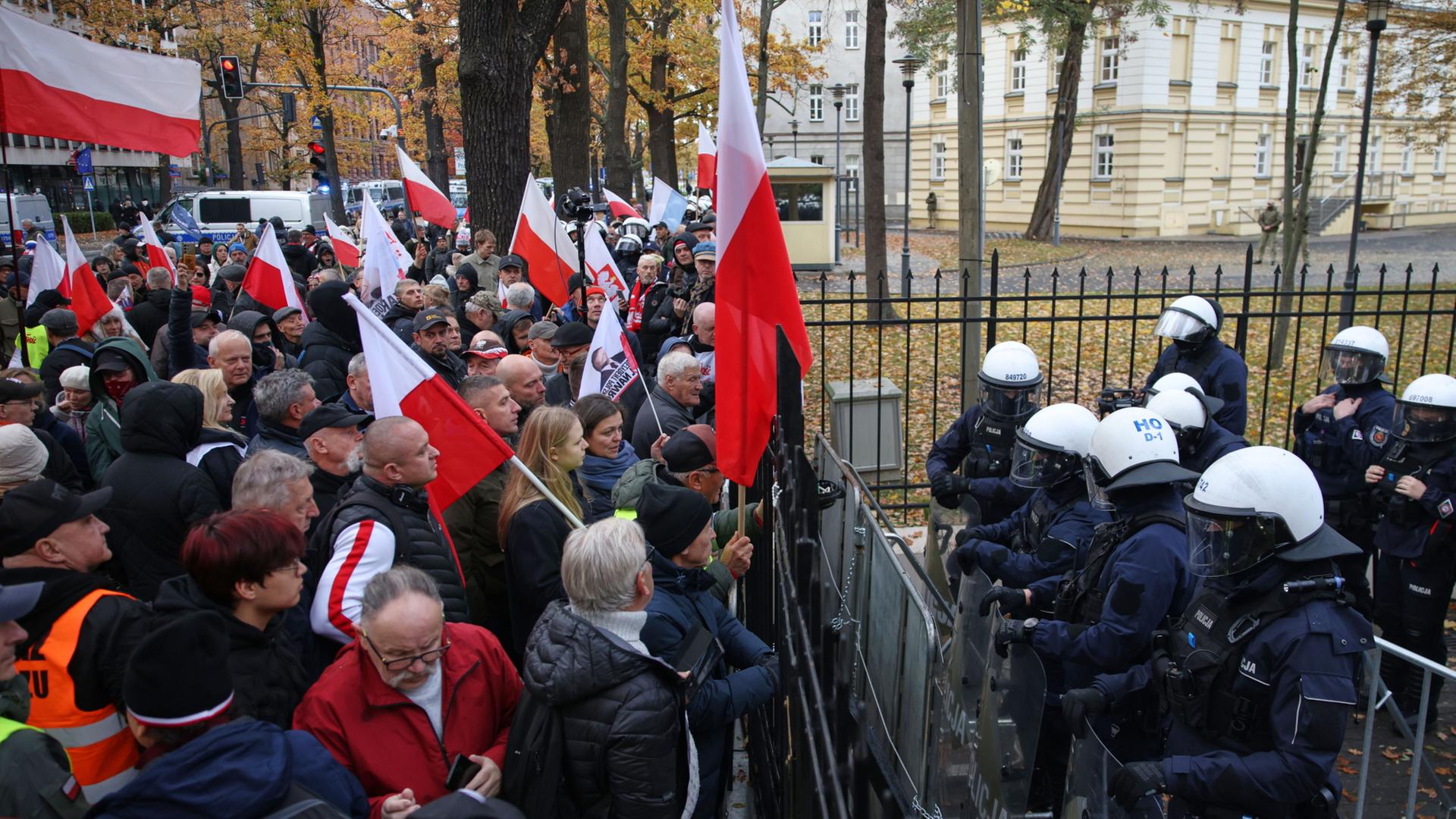
Poland's Court Crisis Deepens as Tusk and Nawrocki Clash Over Judges
Poland's Constitutional Tribunal has a new acting head as judges meet amid a dispute over the court's future.
48 sources · over 4 days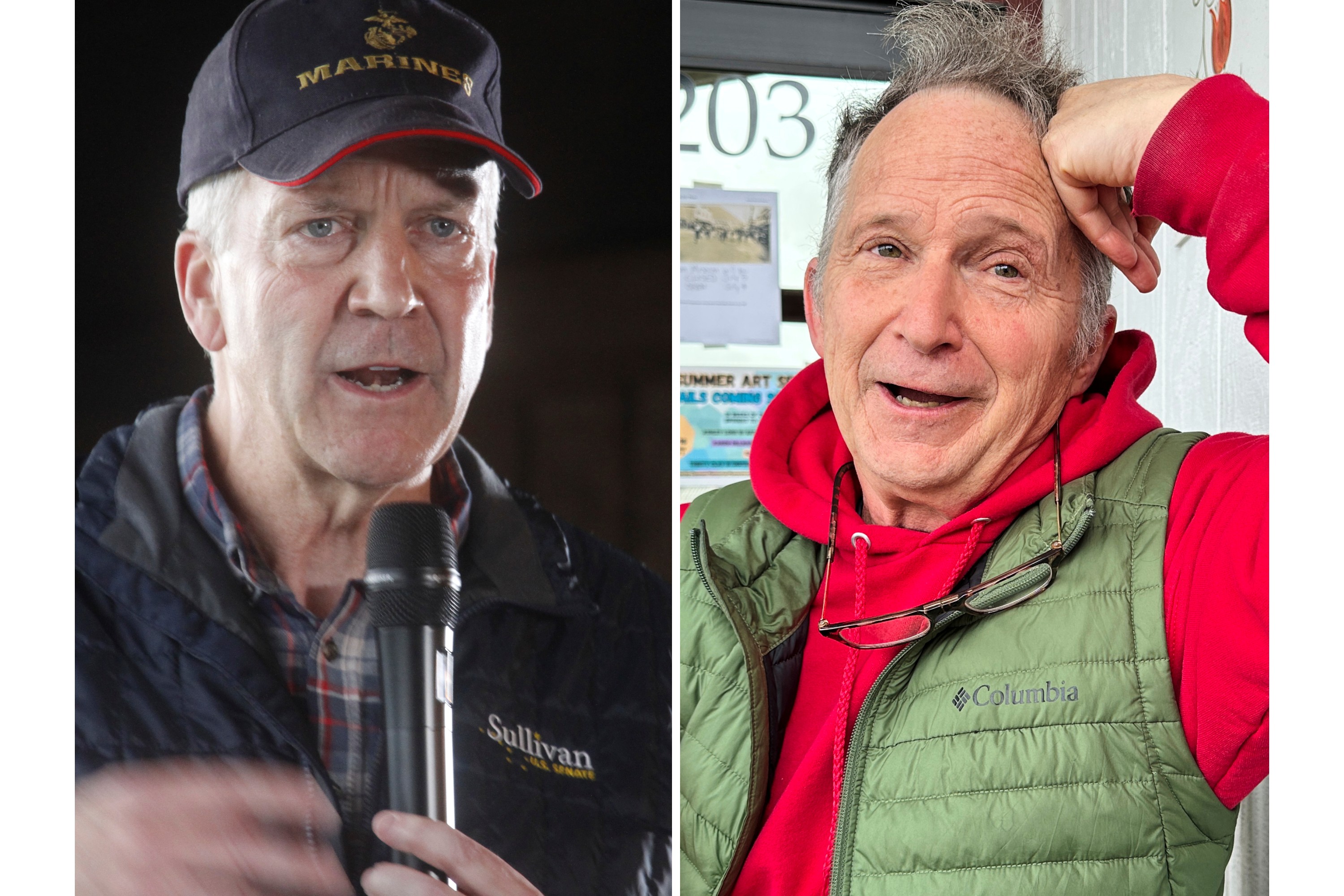
Alaska's two Dan Sullivans face election amid investigation and court fight
Alaska votes with two Dan Sullivans on its Senate ballot after a judge rejected federal intervention, while investigators examine allegations that one candidate was recruited to confuse voters.
26 sources · over 6 days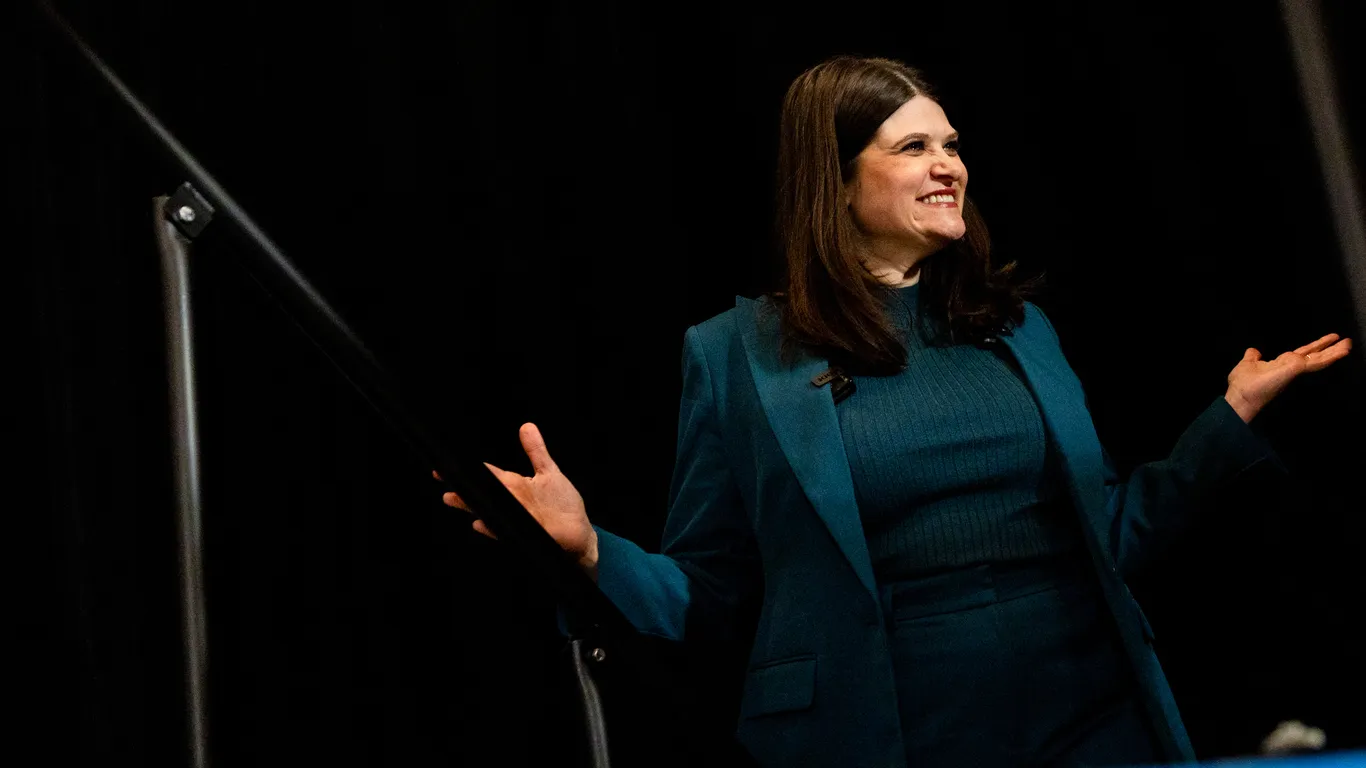
Haley Stevens endorses Mike Rogers, prompting push for Democratic caucus removal
The Michigan representative's endorsement of Republican Mike Rogers has turned a Senate campaign dispute into a fight over her place in the House Democratic caucus.
46 sources · over 2 days