
Canada and US intensify trade talks as Ottawa holds course after midterms
Negotiations have gained momentum, but no agreement is final, and Canadian officials say the Democrats' midterm victories will not change Ottawa's trade strategy or efforts to reduce reliance on America.
By Hushread Stories, from 17 outlets · First published 4 Nov 2026 · Chapter 2 of 2
Earlier: Trump and Carney Renew Trade Talks as Deal Details Remain Unclear
In brief
- Prime Minister Mark Carney and President Donald Trump renewed their push for a trade agreement after earlier talks collapsed.
- Carney says Washington is asking less and offering more, but further work is needed before an agreement.
- Negotiators have made progress on proposed restrictions affecting Canada's ability to reach trade deals with other countries.
- Trump says the countries are close to a deal, although details of the proposed agreement remain undisclosed.
- Canadian officials say Democratic midterm victories will not change Ottawa's trade strategy or efforts to reduce American dependence.
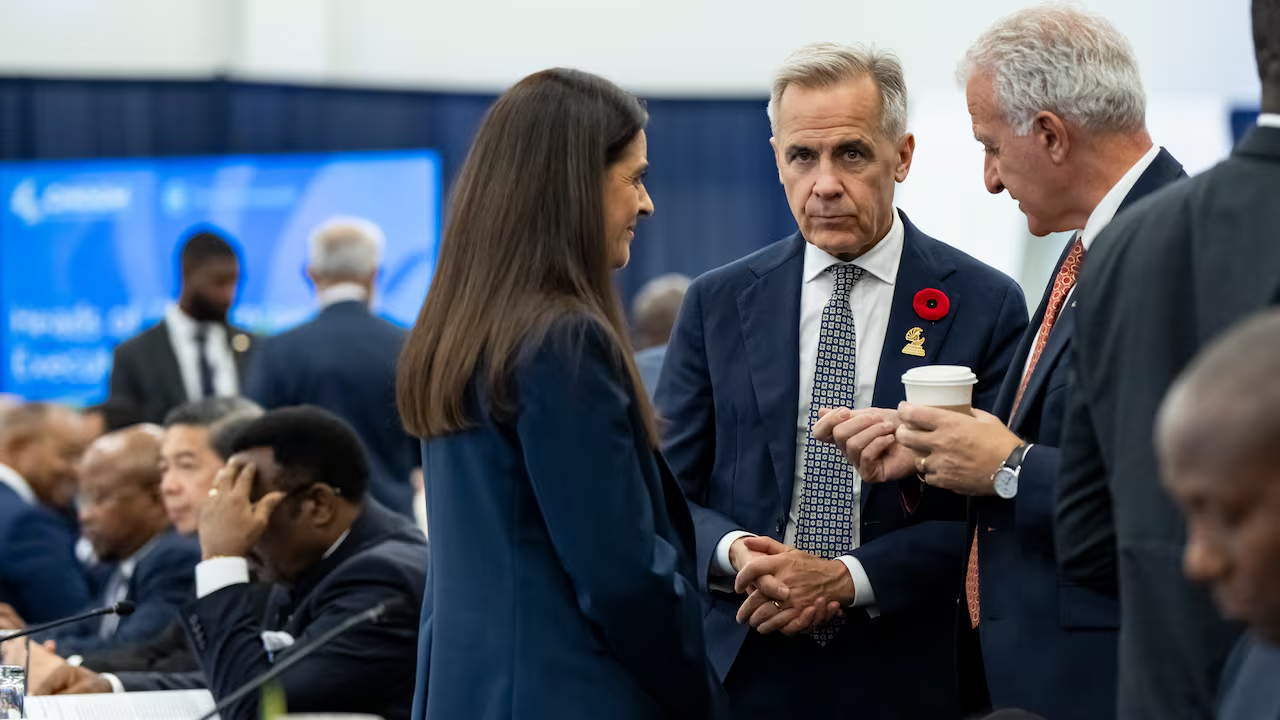
Timeline · 5 moments
Ottawa keeps trade strategy despite Democratic midterm landslide
CBC News ↗Progress reported on Canada's freedom to negotiate other deals
Global News ↗Carney says Washington lowers demands as talks intensify
CBC News ↗Trump describes concept of a new trade deal
The Globe and Mail ↗Carney reports constructive trade conversation with Trump
CBC Top Stories ↗How it started
Canada and the United States returned to negotiations after an earlier attempt broke down in August. According to Global News, Prime Minister Mark Carney said that round collapsed after the United States made last-minute requests concerning trade deals and French language requirements.
The dispute has carried a substantial cost. The countries have imposed billions of dollars in tariffs on each other in recent months, according to News. The renewed talks offer a possible route out of those tensions, but the coverage does not establish a final agreement.
How it unfolded
On November 1, Carney described a "good conversation" with U.S. President Donald Trump about the future of trade between their countries. He said the call built on recent constructive discussions, CBC Top Stories reported.
Negotiating teams were expected to work toward a potential agreement in the coming weeks, according to News18. That put renewed negotiations alongside the approaching U.S. midterm elections, rather than establishing an election-day deadline for a deal.
By November 2, Trump was publicly describing the outline of an agreement. His administration had the "concept" of a new trade deal with Canada, but he declined to provide details, The Globe and Mail reported.
On November 3, Carney said Washington was "asking less" and "offering more," with more intense negotiations underway. He also stressed that more work was needed before any agreement could be finalized, according to CBC News.
One area of progress concerned restrictions on Canada's ability to negotiate trade deals with other countries, Global News reported that day. Trump again said the countries were close to a deal, while Carney maintained that work remained, according to South China Morning Post.
Where it stands
The latest statements point to movement in the negotiations, not a completed settlement. Trump's description is more optimistic than Carney's, whose public account continues to distinguish progress from a final agreement, according to South China Morning Post.
The political backdrop changed on November 4, with reports of a major Democratic sweep of the House and Senate. Canadian leaders said it would be "dangerous" to assume relations with the United States would change immediately, Global News reported.
Ottawa says its approach remains intact. The minister responsible for Canada-U.S. trade said the result did not change Canada's strategy, according to CBC News. Canada's effort to reduce economic dependence on the United States will also continue, South China Morning Post reported.
What to watch
The next test is whether negotiators can turn the broad outline into agreed terms. Public details remain limited, and Carney has said further work is necessary, according to The Globe and Mail and CBC News.
A concrete issue is how any agreement would treat Canada's freedom to strike trade deals elsewhere. Progress has been reported on that question, but the supplied coverage does not set out a final resolution, according to Global News.
More in Politics
All →
JD Vance Blames Iran War for Republican Midterm Election Losses
Vice President JD Vance says the Iran war drove Republican voters toward Democrats, sharpening debate over the party's defeat and his own political future.
42 sources · today
Gina Hinojosa defeats Greg Abbott to become Texas' first Latina governor
The Democrat's victory ends more than three decades of Republican control of the governorship, with Abbott conceding and Democrats also winning a Texas Senate seat.
20 sources · over 2 days
Israeli Opposition Pursues Government Without Netanyahu as Arab Coalition Offers Support
An inconclusive election has left Arab lawmakers central to Israel's coalition talks, but opposition divisions over working with them could obstruct efforts to replace Benjamin Netanyahu.
32 sources · over 5 days