
Israeli Opposition Pursues Government Without Netanyahu as Arab Coalition Offers Support
An inconclusive election has left Arab lawmakers central to Israel's coalition talks, but opposition divisions over working with them could obstruct efforts to replace Benjamin Netanyahu.
By Hushread Stories, from 15 outlets · First published 3 Nov 2026
In brief
- Opposition leaders agreed on Tuesday to begin negotiations aimed at forming a government that would replace Benjamin Netanyahu.
- Eisenkot's bloc won 48 seats, while Netanyahu's camp secured 53, including 27 held by his Likud party.
- Arab coalition leader Yousef Jabareen says he is ready to work with the opposition to remove Netanyahu.
- Netanyahu wants a broad government under his leadership but has ruled out including Arab parties in that coalition.
- Opposition divisions over cooperating with Arab lawmakers remain unresolved ahead of the Knesset's scheduled November 10 swearing in.
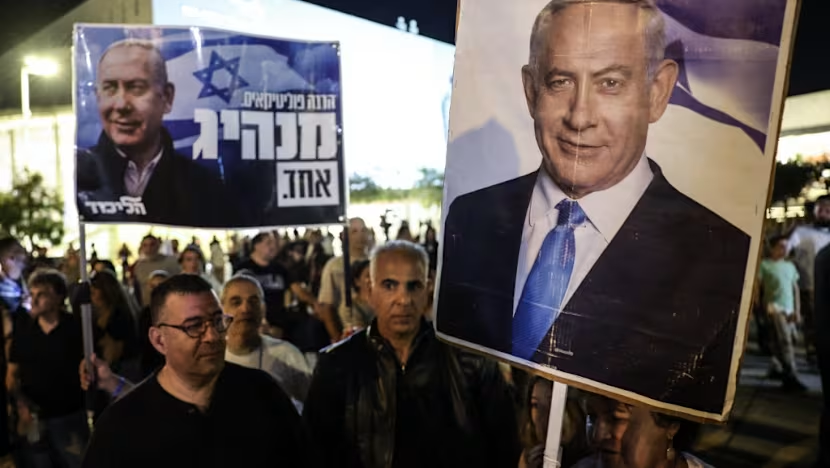
Timeline · 6 moments
Divisions over Arab cooperation persist despite opposition pledge
South China Morning Post ↗Opposition agrees to launch talks on replacement government
Infobae ↗Opposition leaders gather in Herzliya after inconclusive election
World News CNA ↗Eisenkot rejects joining Netanyahu government even at Trump's request
Anadolu Ajansı ↗Netanyahu calls for broad government excluding Arab lists
NDTV News - World-news News ↗Jabareen offers Arab coalition cooperation to oust Netanyahu
Top Stories ↗How it started
Israel's election produced no clear winner. Gadi Eisenkot's bloc won 48 seats, while Prime Minister Benjamin Netanyahu's camp secured 53, including 27 for Likud, according to Japan Times.
That result has put Israel's main Palestinian coalition at the centre of efforts to form a government. Its leader, Yousef Jabareen, said the country had a historic opportunity to change direction and that he was ready to join forces with the opposition, Top Stories reported.
How it unfolded
On November 2, Jabareen offered cooperation after his coalition won a record number of Knesset seats, according to Top Stories. The report described the coalition as holding the balance of power.
Netanyahu set out a competing proposal the same day: a broad national government led by him, without Arab lists. He argued that Likud's position as the largest party entitled him to lead it, NDTV News reported.
Eisenkot rejected joining a Netanyahu-led government, even at US President Donald Trump's request, according to a November 2 report from Anadolu Ajansı. Mehr News reported the same position on November 3, identifying Eisenkot as the Yashar Party leader.
On November 3, opposition party heads gathered in Herzliya, north of Tel Aviv, a week after the inconclusive election, World News CNA reported. They agreed to launch negotiations to form a government that would remove Netanyahu from power, according to Infobae.
The agreement did not settle how they would assemble that government. The opposition pledged to move quickly but remained divided over whether to ally with Arab lawmakers, South China Morning Post reported.
Where it stands
The opposition has agreed to pursue a replacement government, not completed a coalition deal. Its central unresolved issue is whether parties seeking Netanyahu's removal can agree to work with Arab lawmakers, according to South China Morning Post.
Netanyahu continues to advocate a broad government while rejecting dependence on Arab-led parties, News18 reported. That leaves the two sides offering different routes out of the deadlock, with neither having announced a governing agreement in the supplied coverage.
What to watch
The next concrete test is whether the opposition's negotiations produce an agreement on Arab participation or support. Jabareen has offered cooperation, but the opposition's divisions remain unresolved, according to Top Stories and South China Morning Post.
The Knesset is scheduled to be sworn in on November 10, News18 reported. Coalition talks ahead of that date will show whether Tuesday's commitment to replace Netanyahu can become a workable governing arrangement.
More in Politics
All →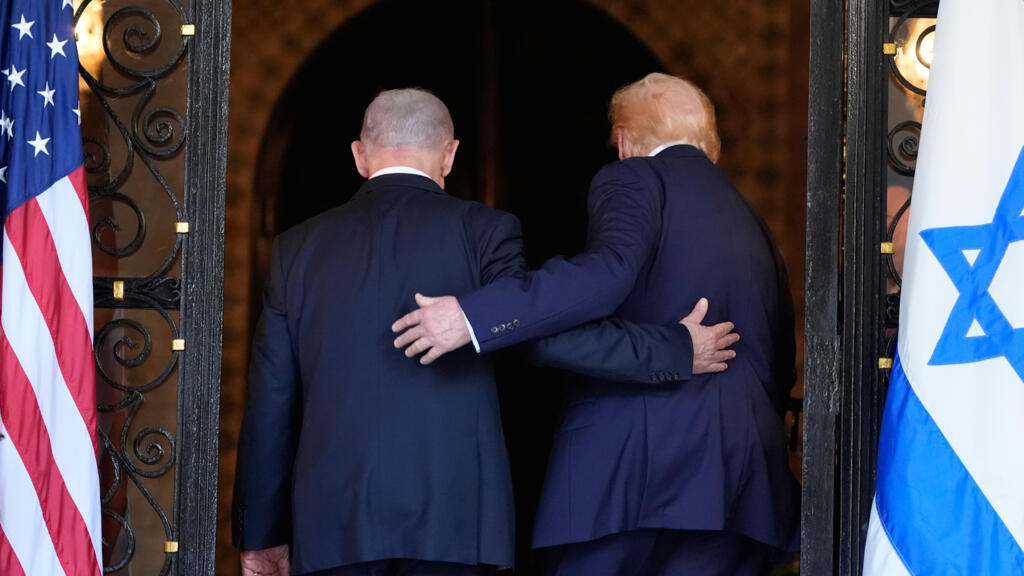
Trump says US will end $4 billion Israel aid after 2026
Trump says he has agreed with Benjamin Netanyahu to end annual US military aid to Israel, but the coverage provides no details on how the cutoff would work.
9 sources · today
US to Mediate Ukraine-Russia Talks in Abu Dhabi on November 10-11
The planned meeting will bring American, Ukrainian and Russian officials together for renewed peace negotiations, with working-level discussions scheduled as the conflict heads toward winter.
26 sources · today
Poland's Court Crisis Deepens as Tusk and Nawrocki Clash Over Judges
The suspension of Constitutional Tribunal leaders has brought police, protesters and European Commission pressure into a dispute over who can take their seats on Poland's court.
46 sources · over 4 days